


Bastille Day 2026 will be celebrated on Tuesday, July 14, offering France and Francophiles around the world a chance to reflect on history, civic ideals, and the joy of midsummer festivities. Known in France as la Fête Nationale or simply le 14 juillet, the holiday combines pageantry, remembrance, music, food, and community spirit in ways that are both deeply symbolic and unmistakably festive.
For many visitors, Bastille Day brings to mind military processions along the Champs-Élysées, dramatic fireworks near the Eiffel Tower, and French flags fluttering from balconies and town halls. Yet the day means much more than a postcard image. It commemorates a turning point in the French Revolution, celebrates national unity, and highlights values that still shape modern France: liberty, citizenship, and solidarity. Whether you are planning a trip, writing about French holidays, or simply want to understand the meaning behind July 14, this guide covers the history, traditions, regional customs, foods, and practical tips you need.
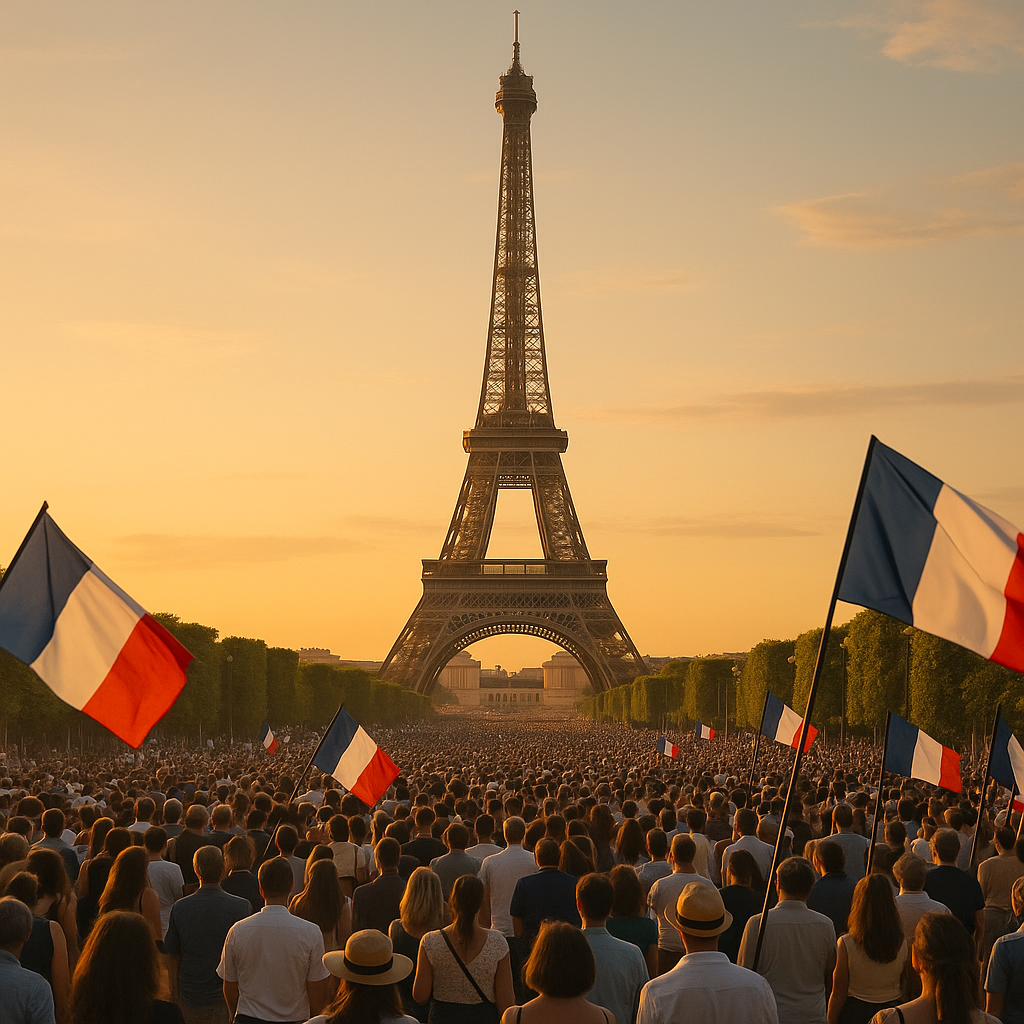
Bastille Day in Paris
What Is Bastille Day?
Bastille Day is the national holiday of France, observed annually on July 14. In English, the day is often called Bastille Day because it recalls the storming of the Bastille prison in Paris on July 14, 1789. In French usage, however, the holiday is more commonly referred to as la Fête Nationale or le Quatorze Juillet (the Fourteenth of July).
The legal basis for the holiday dates to 1880, when the French Third Republic officially established July 14 as the national day. Importantly, the date also evokes the Fête de la Fédération of July 14, 1790, a large festival that celebrated national reconciliation and constitutional unity one year after the storming of the Bastille. That dual meaning helps explain why the holiday is at once revolutionary and unifying.
- Date in 2026: Tuesday, July 14, 2026
- Observed in: France and French communities abroad
- French name: Fête Nationale française
- Common themes: liberty, citizenship, remembrance, unity, public celebration
If you enjoy learning about national observances, you may also like French holiday traditions throughout the year and July holidays around the world.
History and Origin of Bastille Day
The Storming of the Bastille in 1789
To understand Bastille Day, it helps to begin with the Bastille itself. The Bastille Saint-Antoine was a medieval fortress and state prison in Paris. By 1789, it had become a powerful symbol of royal authority and arbitrary imprisonment, even though only a handful of prisoners were held there at the time.
On July 14, 1789, amid political unrest, food shortages, and growing anger toward the monarchy, Parisian insurgents seized the Bastille. They were seeking gunpowder and weapons, but the event quickly became much more than a tactical action. The fall of the fortress symbolized the collapse of absolute royal power and the rise of popular sovereignty. In revolutionary memory, it marked the moment ordinary people asserted themselves as makers of history.
Although the French Revolution would go through many phases, including violence, reform, reaction, and empire, the storming of the Bastille retained its place as a defining emblem of change. It represented the destruction of oppression and the possibility of a new civic order.
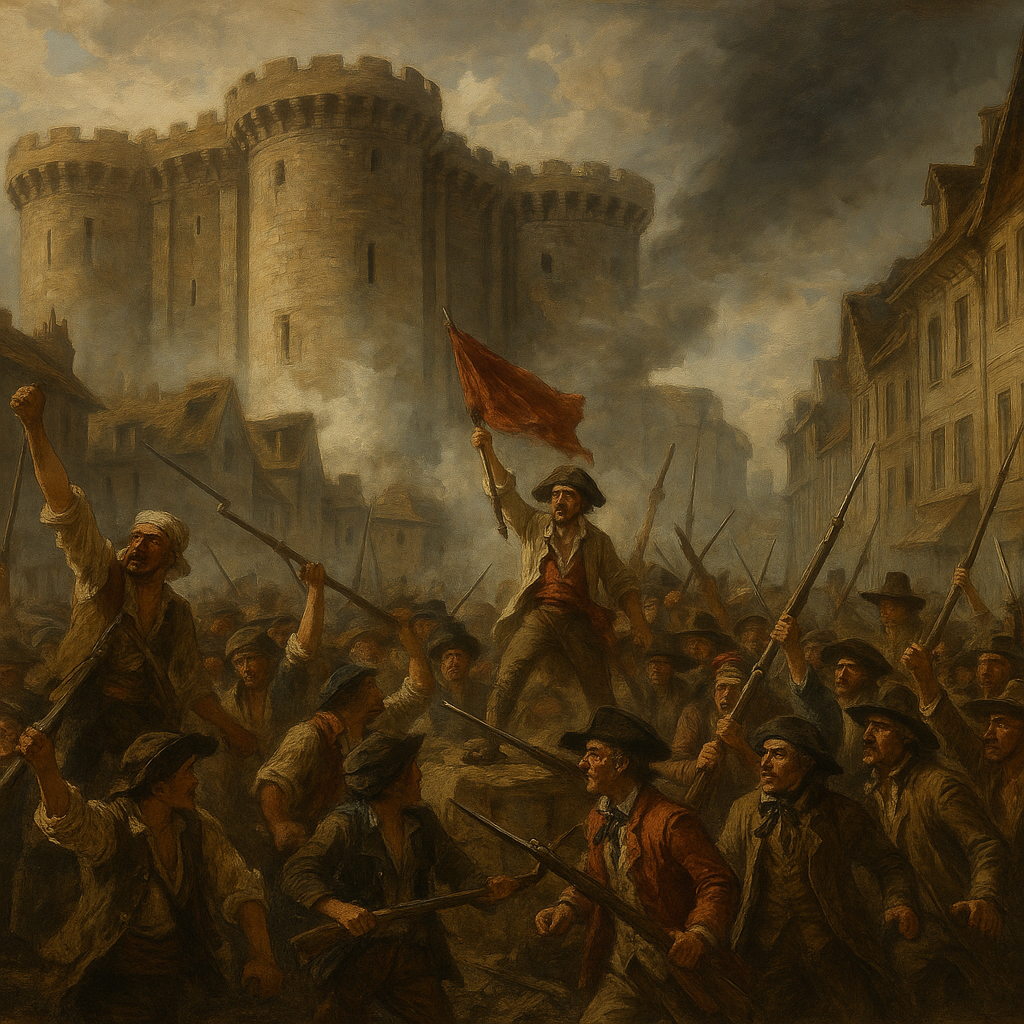
The event that inspired July 14
The Fête de la Fédération in 1790
One year later, on July 14, 1790, France celebrated the Fête de la Fédération on the Champ de Mars in Paris. Unlike the confrontation of 1789, this event emphasized unity. Delegates from across the country gathered in a vast national ceremony intended to reconcile the king, the nation, and the revolutionary transformation underway.
That 1790 celebration matters because it shaped the modern meaning of July 14. When lawmakers chose the national holiday in 1880, they selected a date rich enough to honor both the revolutionary break of 1789 and the national cohesion symbolized in 1790. In short, Bastille Day is not only about rebellion; it is also about belonging.
Official Adoption as France’s National Holiday
July 14 became the official national holiday under a law passed in 1880 during the Third Republic. Since then, it has served as a key expression of French civic identity. Over time, ceremonies, parades, speeches, local dances, and fireworks helped transform it into a holiday that is both solemn and festive.
For readers seeking deeper reference material, reliable overviews are available from Wikipedia’s Bastille Day entry and the Encyclopaedia Britannica article on Bastille Day.
Why Bastille Day Matters in Modern France
Bastille Day remains meaningful because it condenses several layers of French identity into one national moment. It is historical, political, civic, and cultural all at once. People may celebrate it differently, but the day still points back to a common set of ideals.
Bastille Day is less about one dramatic event alone and more about what France chooses to remember: the struggle for liberty, the importance of citizenship, and the ongoing project of national unity.
The holiday resonates for several reasons:
- Historical memory: It recalls the French Revolution and the end of old-regime absolutism.
- Civic identity: It honors the French Republic and the role of citizens in public life.
- National unity: It creates a shared moment for towns, cities, and rural communities alike.
- Cultural pride: It showcases French music, food, ceremony, and regional traditions.
- International influence: The ideals associated with 1789 shaped global conversations about rights and democracy.
Modern observance also reflects contemporary France. Today, Bastille Day celebrations may include military honors, but they also feature neighborhood gatherings, multicultural performances, public concerts, and family outings. The result is a holiday that feels both old and current.
Traditional Bastille Day Celebrations
The Military Parade in Paris
The best-known Bastille Day event is the military parade in Paris, usually held on the Champs-Élysées. It is one of the oldest and most prominent regular military parades in Europe. The event typically features French armed forces, ceremonial units, aircraft flyovers, and occasionally invited international participants. The President of the French Republic customarily attends.
For many spectators, the parade is a spectacle of precision and symbolism. It honors national service, commemorates sacrifice, and presents the republic as both civilian and defended. Television coverage allows millions to follow it from home.
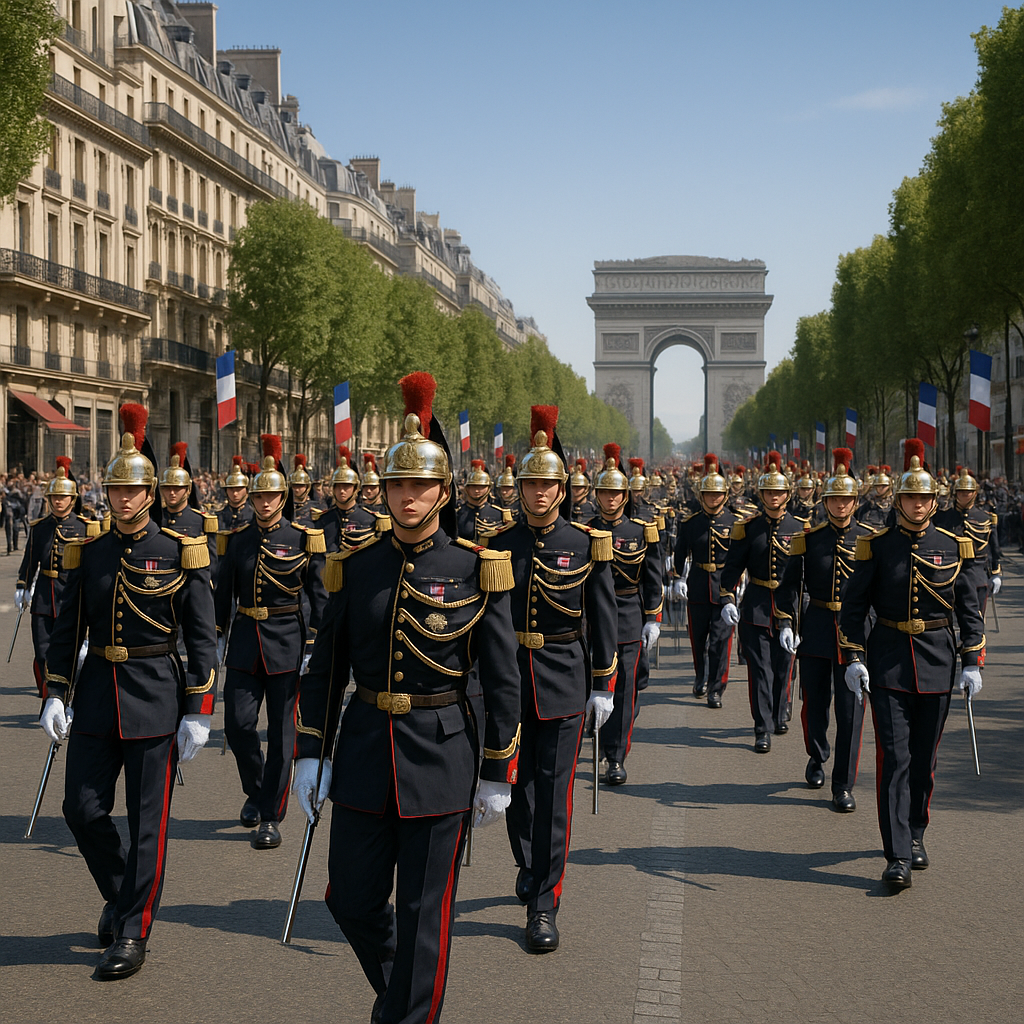
Paris parade tradition
Firefighters’ Balls and Public Dances
A beloved and more local tradition is the bal des pompiers, or firefighters’ ball. Often held on the evening of July 13 or 14, these community dances take place at fire stations or municipal venues. They combine music, dancing, food, and a festive neighborhood atmosphere. For many French residents, these balls are among the most enjoyable and accessible parts of Bastille Day.
Public dances in village squares and town centers also remain common, especially in smaller communities. These gatherings remind visitors that Bastille Day is not only a national media event but also a grassroots celebration.
Fireworks Displays
Fireworks are central to Bastille Day festivities across France. In Paris, the display near the Eiffel Tower is especially famous, usually drawing large crowds and accompanied by a concert. Elsewhere, cities, seaside resorts, and villages stage their own fireworks over rivers, harbors, beaches, or historic landmarks.
The atmosphere ranges from grand and formal to intimate and local. A small-town fireworks show after a communal dinner can feel every bit as memorable as a major urban event.
Ceremonies at Town Halls and War Memorials
Official commemorations vary by locality, but many municipalities hold ceremonies involving elected officials, veterans, military representatives, and residents. These may include speeches, wreath-laying, music by municipal bands, or moments of silence. Such events underscore that Bastille Day is not just entertainment; it is also a civic holiday rooted in public memory.
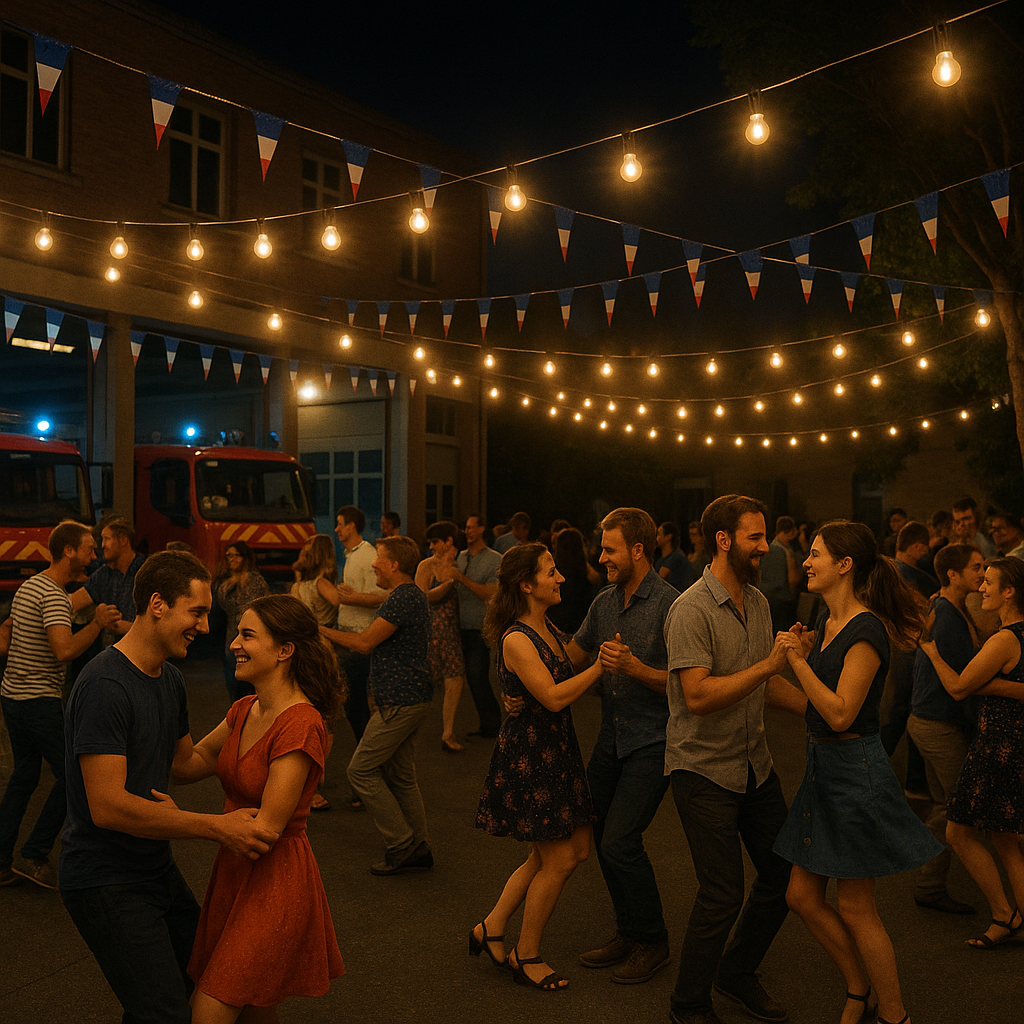
A classic firefighters’ ball
Regional Variations Across France
One of the most interesting aspects of Bastille Day 2026 is that it will not look exactly the same in every place. France has strong local cultures, and July 14 often reflects regional character.
Paris
Paris is the international focal point. Visitors flock to the Champs-Élysées for the parade, the Champ de Mars and Trocadéro areas for evening festivities, and neighborhoods throughout the city for concerts, open-air events, and dining. The capital offers scale, symbolism, and media attention.
Provence and Southern France
In Provence and the south, Bastille Day often blends national celebration with relaxed summer sociability. Expect lively town squares, open-air meals, pétanque games, brass bands, local wines, and fireworks against warm Mediterranean skies. Coastal towns may add harbor events or seaside concerts.
Normandy and Brittany
In western France, maritime settings give the day a distinct atmosphere. Harbors, promenades, and beaches may host fireworks and family gatherings. Local music traditions sometimes influence festivities, especially where Breton identity remains strong.
Alsace and Eastern France
In Alsace and nearby regions, celebrations can reflect both French national symbolism and regional heritage. Architecture, cuisine, and local festival customs lend a unique setting to the holiday. Towns may emphasize civic ceremonies and communal meals.
Overseas France
France’s overseas departments and collectivities also observe July 14, often with local adaptations shaped by climate, music, and community traditions. This reminds observers that French national identity extends beyond mainland Europe.
| Region | Typical Atmosphere | Common Highlights |
|---|---|---|
| Paris | Formal, iconic, high-profile | Military parade, major fireworks, concerts |
| Provence | Festive, social, summery | Town dances, outdoor dining, fireworks |
| Brittany/Normandy | Family-oriented, coastal | Harbor events, beach gatherings, local music |
| Alsace | Civic and communal | Town ceremonies, regional foods, fireworks |
| Overseas France | Locally adapted, vibrant | Music, parades, community celebrations |
Bastille Day Foods and Drinks
No major French celebration feels complete without food, and Bastille Day is no exception. There is no single mandatory national menu, but July 14 gatherings often feature dishes suited to summer, sharing, and regional pride. In urban settings, people may dine at bistros, rooftop restaurants, or picnic spots. In smaller communities, communal tables and home-cooked meals are common.

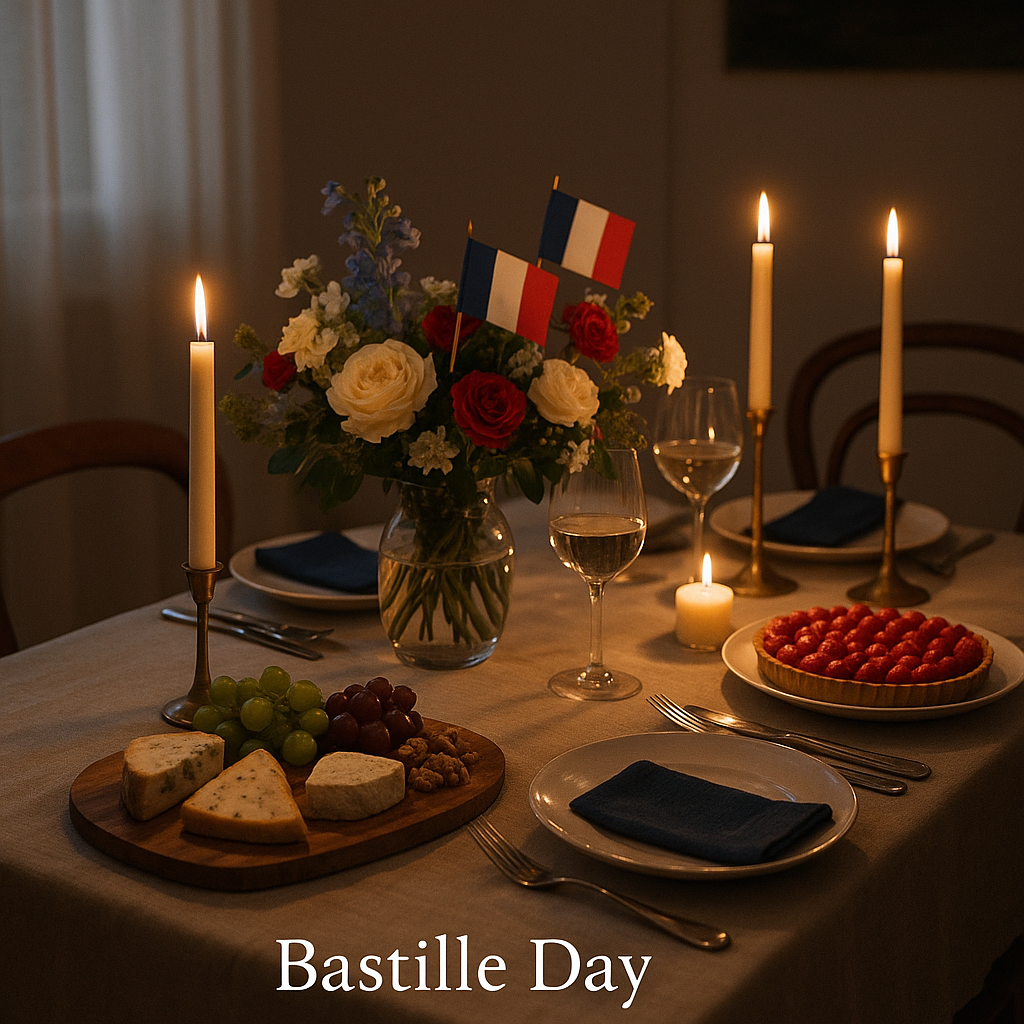
A festive July 14 table
Popular Foods for July 14
- Charcuterie and cheese boards: Easy to share and distinctly French.
- Baguettes and rustic breads: Essential for picnics and aperitifs.
- Quiches and savory tarts: Practical for buffets and outdoor meals.
- Grilled meats: Common at family gatherings or village feasts.
- Salads: Niçoise-style salads, tomato salads, and lentil salads are popular in summer.
- Seafood: Especially in coastal regions, where oysters, mussels, or grilled fish may appear.
- Desserts: Fruit tarts, macarons, éclairs, crêpes, and ice cream often round out the day.
Drinks Often Served
Wine is a frequent feature of Bastille Day meals, though preferences vary by region. Rosé is popular in warm weather, while sparkling wines and Champagne may be chosen for celebratory toasts. Nonalcoholic options include sparkling water, lemonade, fruit syrups, and artisanal sodas. For evening outdoor events, an aperitif hour before dinner is especially common.
Ideas for a Bastille Day Menu at Home
- Start with olives, radishes, butter, baguette, and cheese.
- Serve a light starter such as melon with cured ham or a tomato tart.
- Offer a main course of roast chicken, grilled fish, or ratatouille with potatoes.
- Finish with a berry tart or crème brûlée.
- Add blue, white, and red table accents subtly rather than kitschily.
If you are building a broader cultural menu, classic French holiday foods can provide more seasonal inspiration.
How Bastille Day 2026 May Be Observed
Because Bastille Day 2026 falls on a Tuesday, many people in France may use the surrounding days for short trips, long weekends, or local travel plans if their schedule allows. Hotels, trains, and popular urban attractions could be busier than usual, particularly in Paris and major tourist destinations. Summer tourism is already high in mid-July, and the national holiday adds another layer of demand.
At the same time, local celebrations are likely to remain central. Municipal programming usually includes a mix of official ceremony and public entertainment. Residents may attend a morning parade or commemoration, spend the afternoon with family, and gather in the evening for music and fireworks. Visitors should remember that some shops and services may operate on reduced schedules, while restaurants and entertainment venues may be especially lively.
For updated practical information, France’s official tourism resources such as France.fr are useful starting points when planning July travel.
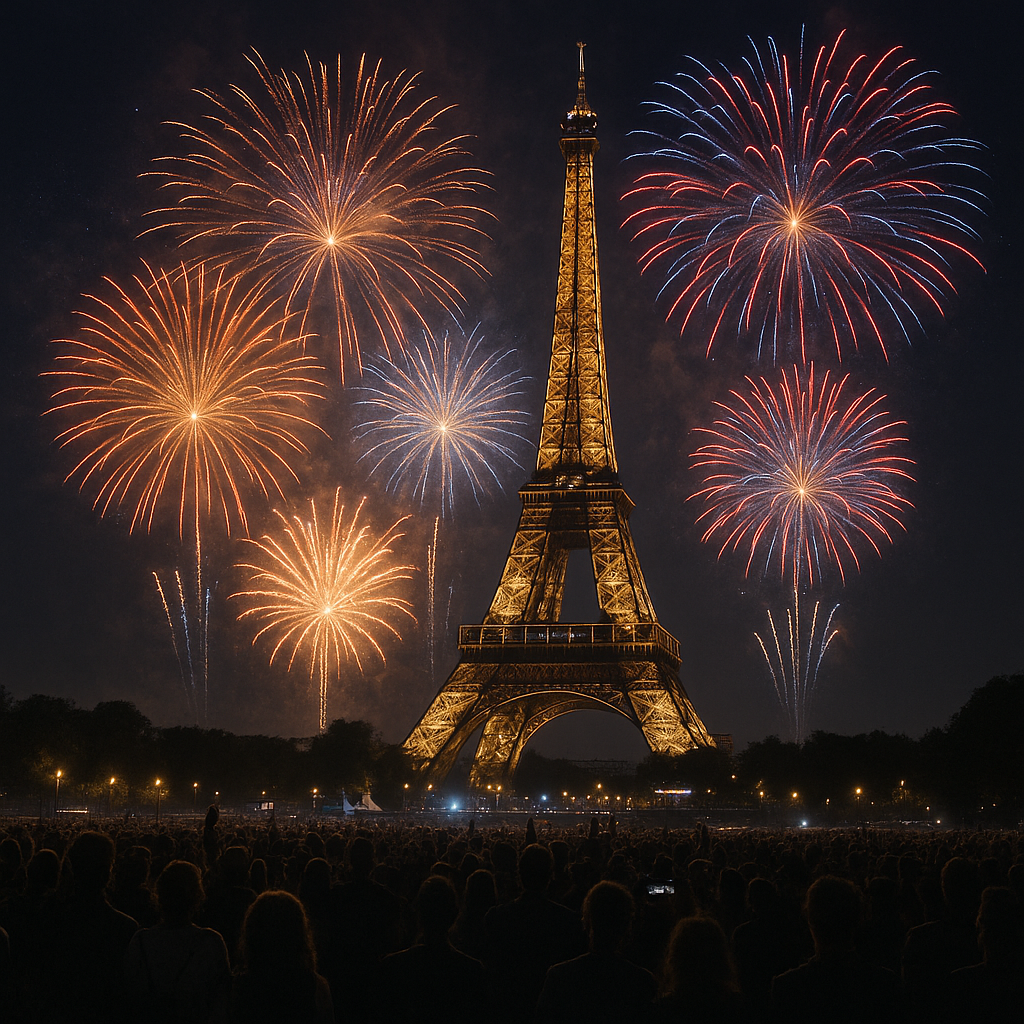
Fireworks light up July 14
Practical Tips for Visiting France on Bastille Day 2026
Book Early
If you hope to be in Paris for Bastille Day fireworks or the national parade, book transportation and accommodations as early as possible. Mid-July is peak season, and central hotels can fill quickly.
Expect Crowds and Security Measures
Large public gatherings often involve road closures, controlled access zones, and bag checks. Arrive early, carry only essentials, and follow local instructions. Comfortable shoes, water, and patience go a long way.
Use Public Transport Wisely
Metro stations near major events may be crowded or temporarily closed. Check transit updates the day before and the morning of the holiday. In smaller towns, parking may also be limited near main squares or waterfronts.
Plan Meals Ahead
Restaurants with views of fireworks or in historic city centers may require reservations. If you prefer a picnic, buy supplies earlier in the day. Bakeries and markets can be busy, and some businesses may close before evening events begin.
Respect Local Etiquette
Bastille Day is festive, but it is also meaningful. Show respect during official ceremonies, avoid obstructing processions, and follow local customs. If you are taking photos, be considerate of families and commemorative moments.
- Bring a light jacket for late-night outdoor events.
- Keep your phone charged for transit maps and updates.
- Choose a meeting point in advance if traveling with a group.
- Watch children closely in crowded areas.
- Confirm whether fireworks are visible from your chosen location.
How to Celebrate Bastille Day Outside France
You do not need to be in Paris to enjoy Bastille Day 2026. French cultural centers, embassies, Alliance Française chapters, restaurants, and expat communities around the world often host themed dinners, concerts, film screenings, and language events in mid-July.
At home, a thoughtful celebration can be simple and elegant rather than stereotypical. Consider focusing on French history, cuisine, music, and conviviality. Watch a documentary about the French Revolution, prepare a summer meal, learn a few phrases in French, or host a small garden gathering with friends.
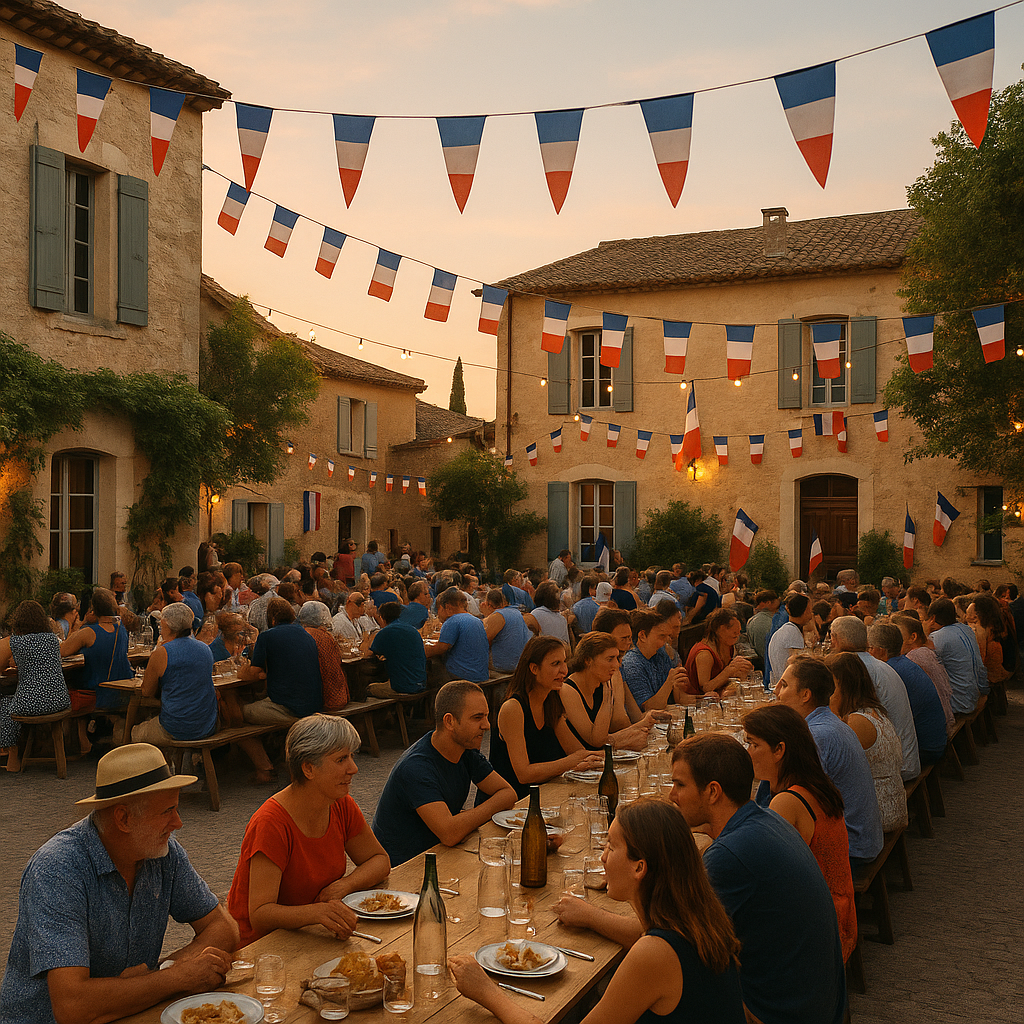
A village celebration in Provence
Simple Ways to Celebrate at Home
- Cook a French-inspired dinner with seasonal ingredients.
- Play a playlist featuring French chanson, jazz, or contemporary artists.
- Read about the French Revolution and discuss its legacy.
- Decorate the table with flowers and understated tricolor accents.
- Serve sparkling drinks and a fruit tart for dessert.
The best celebrations balance enjoyment with understanding. Bastille Day is most meaningful when its historical roots are remembered alongside its joyful modern customs.
Bastille Day Myths and Misconceptions
“French people call it Bastille Day.”
Not usually. English speakers commonly say Bastille Day, but in France the holiday is more often called le 14 juillet or la Fête Nationale.
“It celebrates the prison itself.”
No. The holiday commemorates what the fall of the Bastille came to symbolize: the end of arbitrary royal power and the assertion of the people’s political role.
“It is only about Paris.”
Paris dominates international media coverage, but Bastille Day is celebrated across the country in towns, villages, coastal communities, and overseas territories.
“It is only a military holiday.”
The military parade is prominent, yet Bastille Day also includes dances, concerts, picnics, fireworks, local ceremonies, and communal gatherings. It is broader than any one event.
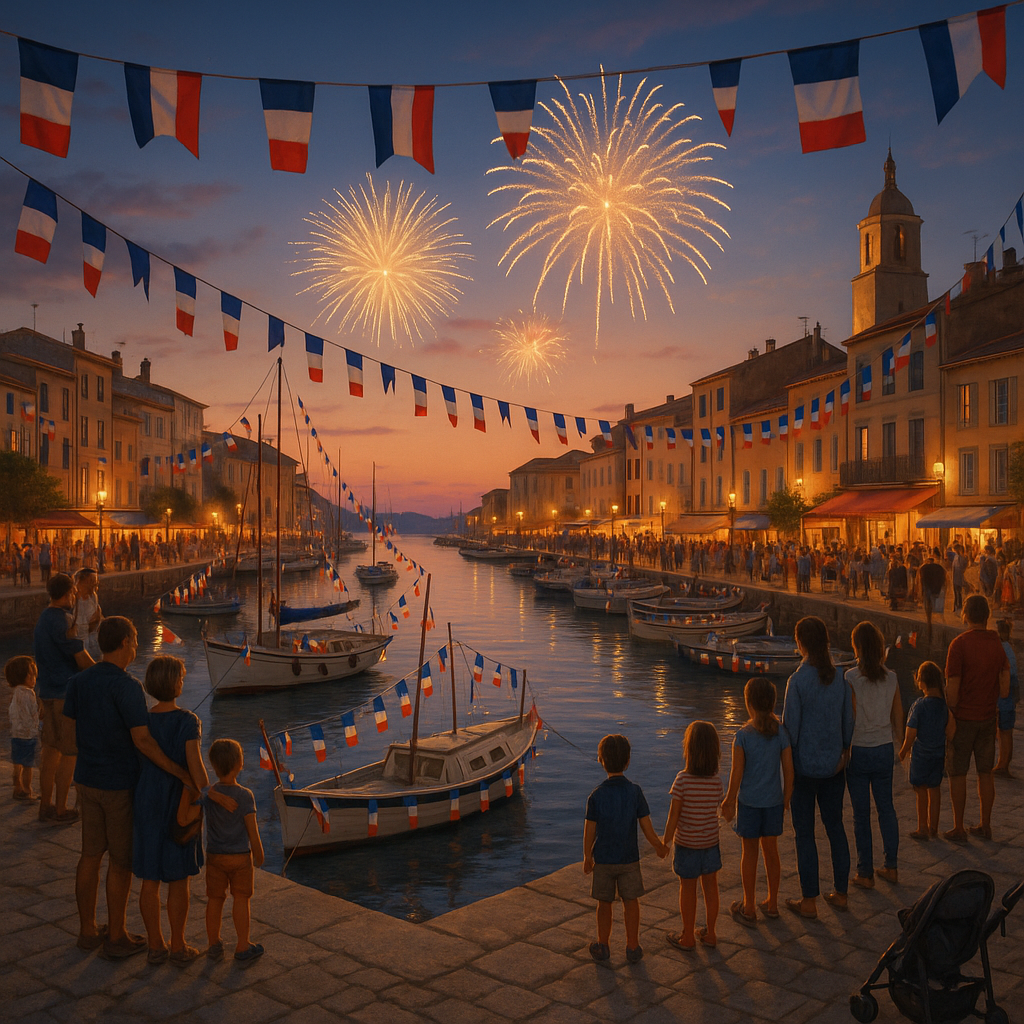
July 14 by the sea
Bastille Day Timeline
| Year | Event | Why It Matters |
|---|---|---|
| 1789 | Storming of the Bastille | Symbolic beginning of revolutionary change |
| 1790 | Fête de la Fédération | National unity celebration on July 14 |
| 1880 | July 14 made national holiday | Official establishment of France’s national day |
| 20th century | Expansion of civic and popular festivities | Parades, fireworks, dances, and local customs spread |
| 2026 | Bastille Day on a Tuesday | Another occasion for remembrance and celebration |
Frequently Asked Questions
When is Bastille Day 2026?
Bastille Day 2026 falls on Tuesday, July 14, 2026.
Is Bastille Day a public holiday in France?
Yes. July 14 is France’s national public holiday, and many businesses, offices, and services either close or operate on adjusted schedules.
Why is Bastille Day important?
It is important because it commemorates the storming of the Bastille in 1789, a defining symbol of the French Revolution, while also invoking national unity through the 1790 Fête de la Fédération.
What happens in Paris on Bastille Day?
Paris typically hosts the national military parade, official ceremonies, concerts, and a major fireworks display associated with the Eiffel Tower area. Crowds and security are usually significant.
Do French people say “Happy Bastille Day”?
In France, people are more likely to refer to the day as le 14 juillet or bonne fête nationale in certain contexts. The English phrase “Happy Bastille Day” is more common outside France.
What are typical Bastille Day foods?
Common choices include charcuterie, cheeses, baguettes, grilled foods, summer salads, seafood in coastal regions, and desserts such as fruit tarts or macarons.
Can tourists attend Bastille Day events?
Yes. Tourists commonly attend public events, but they should plan ahead, expect large crowds, and follow local instructions regarding transit, safety, and access.
Is Bastille Day celebrated outside France?
Yes. French embassies, cultural organizations, restaurants, and expatriate communities around the world often organize events for July 14.
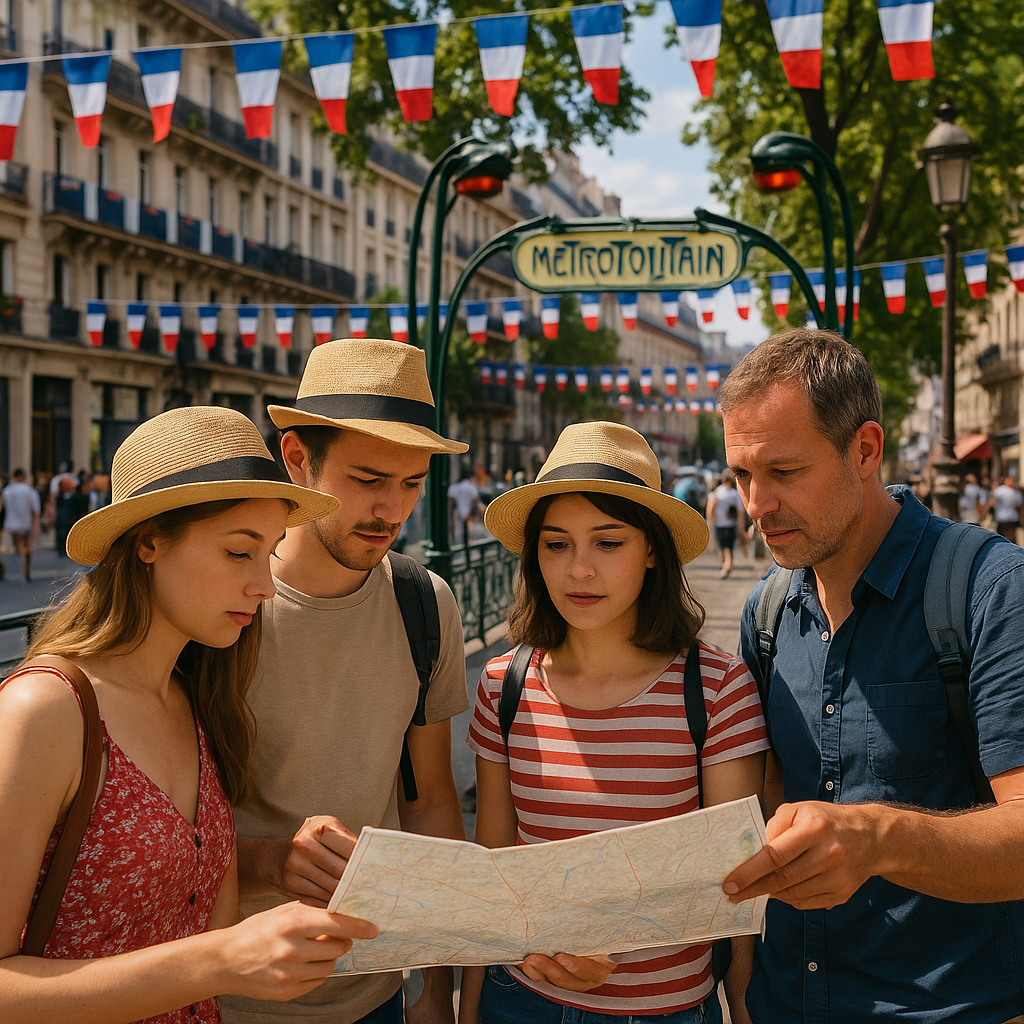
Planning a July 14 visit
Conclusion
Bastille Day 2026 is more than a date on the calendar. It is a vivid expression of French history, republican identity, and summertime celebration. From the storming of the Bastille in 1789 to today’s fireworks, dances, official ceremonies, and communal meals, July 14 continues to connect memory with festivity in a way few national holidays can match.
Whether you experience the day amid the grandeur of Paris, in a village square, on a Mediterranean waterfront, or from your own home abroad, Bastille Day rewards curiosity and participation. Learn the history, enjoy the food, respect the civic meaning, and embrace the atmosphere. That combination is what makes the French national holiday both enduring and memorable.
Celebrate Bastille Day anywhere
