


Canada Day 2026 falls on Wednesday, July 1, and marks a national moment for reflection, celebration, and community gatherings across the country. From major fireworks displays in Ottawa and local parades in small towns to backyard barbecues and red-and-white outfits, this holiday blends history with modern Canadian identity in a way that feels both festive and meaningful.
For many people, Canada Day is synonymous with summer fun. Yet the holiday is more than a day off or a chance to wave a flag. It commemorates the formation of Canada as a self-governing dominion in 1867, while also opening space for conversations about citizenship, Indigenous histories, bilingual heritage, regional diversity, and the values Canadians want to celebrate today. Whether you are planning to attend public events, host a gathering, or simply learn more about the date, this guide explains what Canada Day 2026 means and how it is observed.
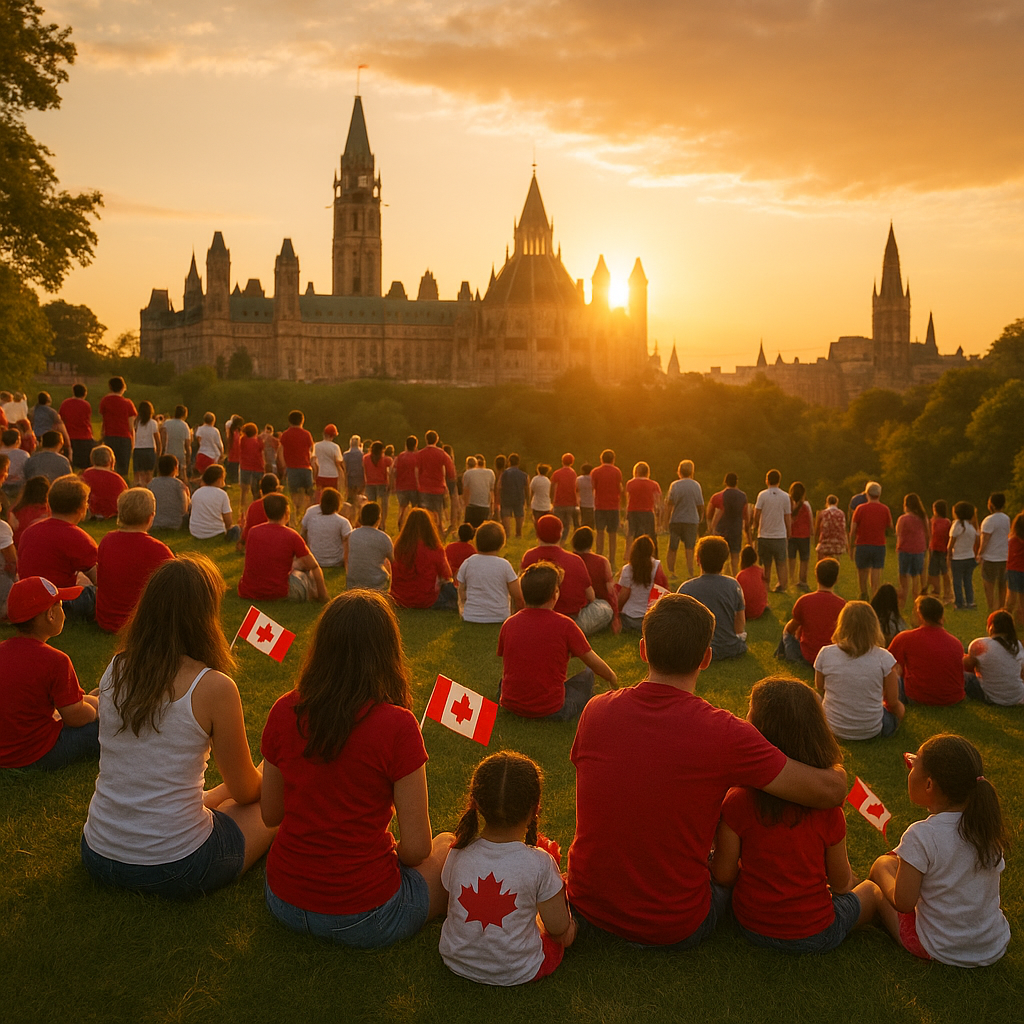
What Is Canada Day?
Canada Day is the national day of Canada, observed every year on July 1. It commemorates the date when the Dominion of Canada was created through Confederation on July 1, 1867. On that day, the British North America Act united Ontario, Quebec, New Brunswick, and Nova Scotia into one dominion within the British Empire.
Today, the holiday is both official and widely celebrated. Government institutions, municipalities, community groups, and private organizations host events ranging from concerts and citizenship ceremonies to historical exhibits and outdoor festivals. While the tone is often joyful, the day can also be reflective, especially as Canadians think about the country’s past, present, and future.
If you enjoy learning about national observances, you may also like our guide to statutory holidays in Canada and seasonal travel ideas in best July festivals in Canada.
History and Origin of Canada Day
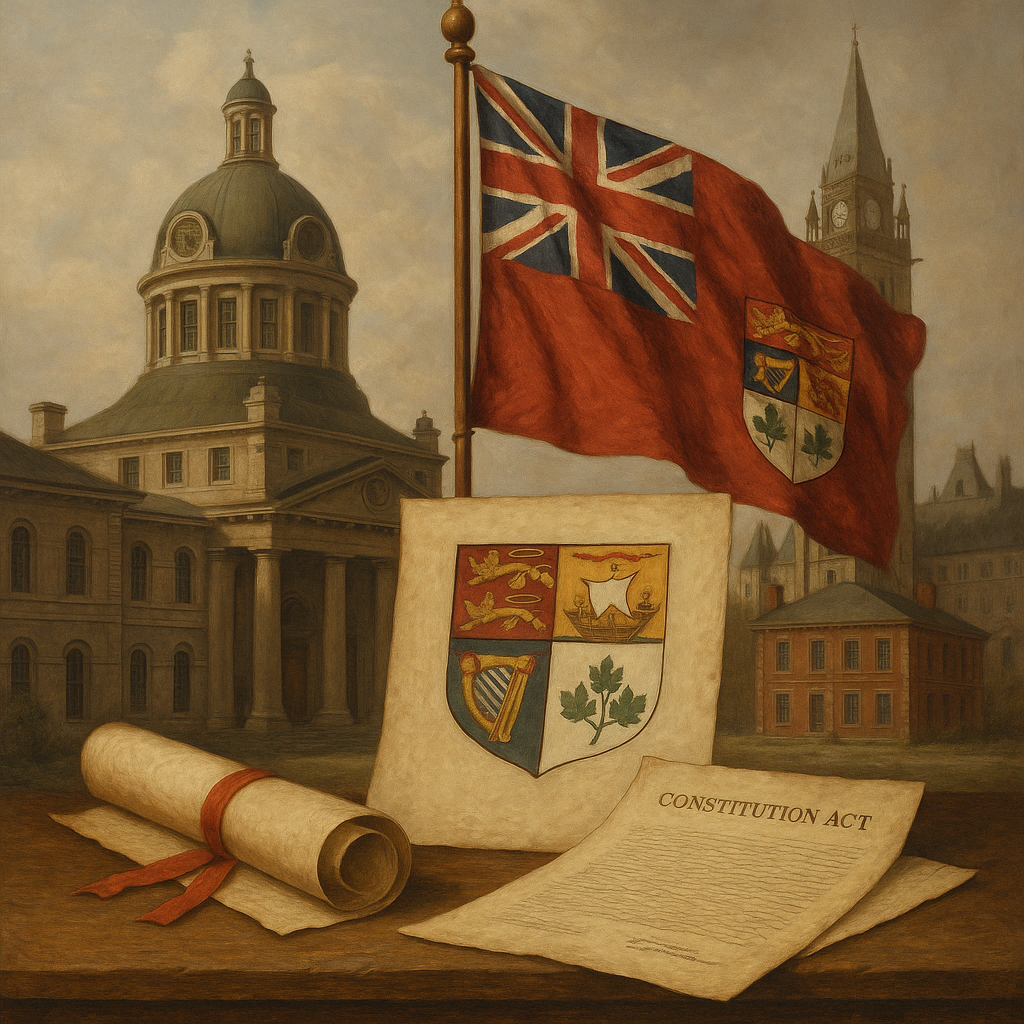
The roots of Canada Day lie in Confederation. Before 1867, British North America consisted of several colonies. Political deadlock, economic priorities, defense concerns, and railway ambitions all helped push leaders toward union. After negotiations at conferences in Charlottetown, Quebec, and London, the British North America Act was passed by the Parliament of the United Kingdom.
That law created the Dominion of Canada on July 1, 1867. Although Canada did not become fully independent overnight, Confederation marked a major constitutional turning point. Over time, Canada gained increased autonomy, including control over foreign affairs and, eventually, constitutional independence through the Statute of Westminster in 1931 and patriation of the Constitution in 1982.
From Dominion Day to Canada Day
For much of its history, the holiday was known as Dominion Day. The name reflected Canada’s original constitutional status. In practice, the day was observed in different ways over the decades, and large-scale public celebration varied depending on the era and region.
In 1982, the holiday was officially renamed Canada Day. The new name reflected modern national identity more clearly and aligned with the language Canadians commonly used. You can read more about the broader historical background in the Wikipedia overview of Canada Day, though official government sources remain the best reference for current observance.
Historical Milestones Connected to the Holiday
- 1867: Confederation creates the Dominion of Canada.
- 1879: July 1 becomes a statutory holiday called Dominion Day.
- 1930s-1960s: More organized national ceremonies and broadcasts help shape public observance.
- 1967: Canada’s centennial inspires widespread national celebration and civic pride.
- 1982: Dominion Day is officially renamed Canada Day.
This evolution shows that the holiday has never been static. It has changed alongside Canada itself.
The Meaning and Significance of Canada Day 2026
For some Canadians, Canada Day 2026 is about gratitude for peace, public institutions, multicultural communities, and natural beauty. For others, it is a day to think critically about the country’s unfinished work, including reconciliation with Indigenous peoples, social equity, and how national identity should be expressed in the present.
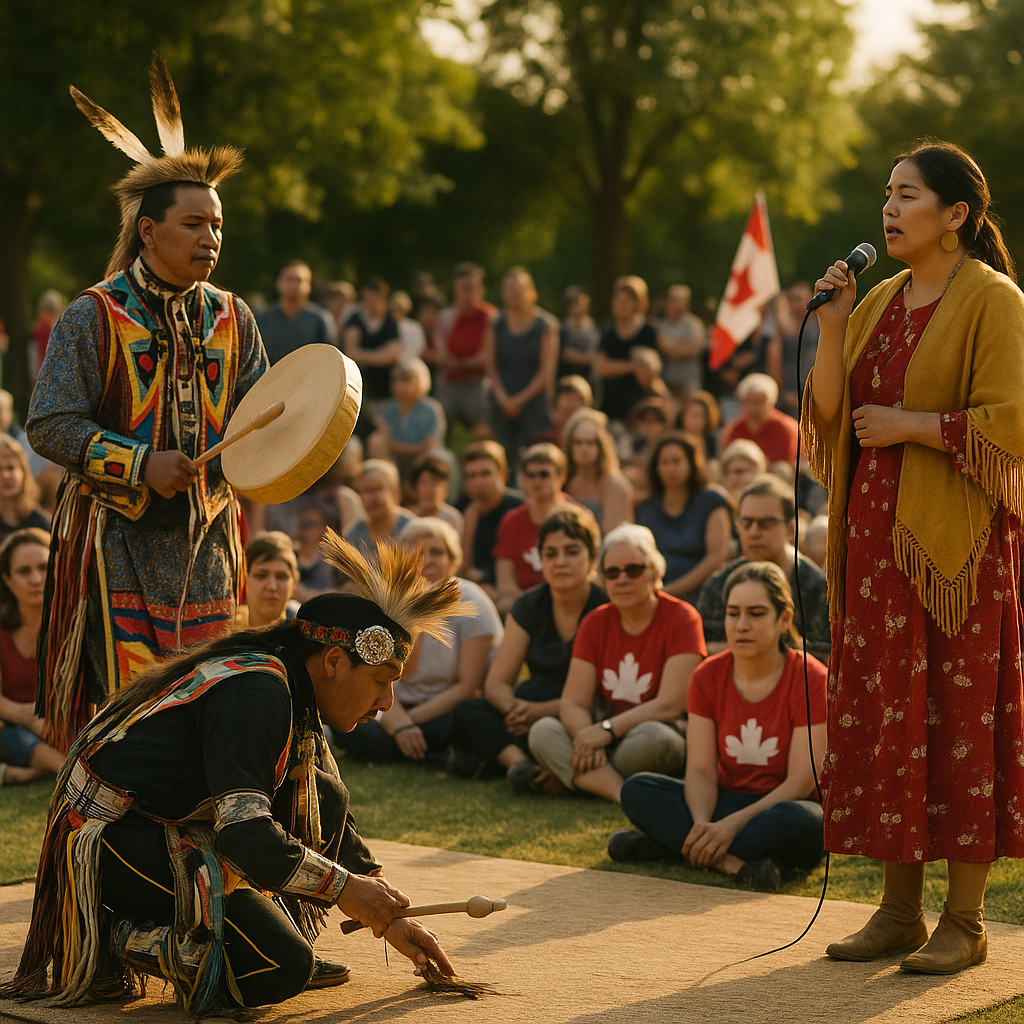
These perspectives are not mutually exclusive. In fact, modern observance often includes both celebration and reflection. Many public programs now feature land acknowledgements, Indigenous performers, educational programming, and ceremonies that welcome new citizens. This broader approach gives the holiday depth and makes it more representative of contemporary Canada.
Canada Day can be festive and thoughtful at the same time: a celebration of community, and an opportunity to reflect on the histories that shape the country.
Because July 1 falls in the middle of the week in 2026, many communities may hold events on surrounding dates as well, especially during the nearest weekend. That can make Canada Day 2026 feel less like a single date and more like a multiday celebration.
How Canada Day Is Celebrated
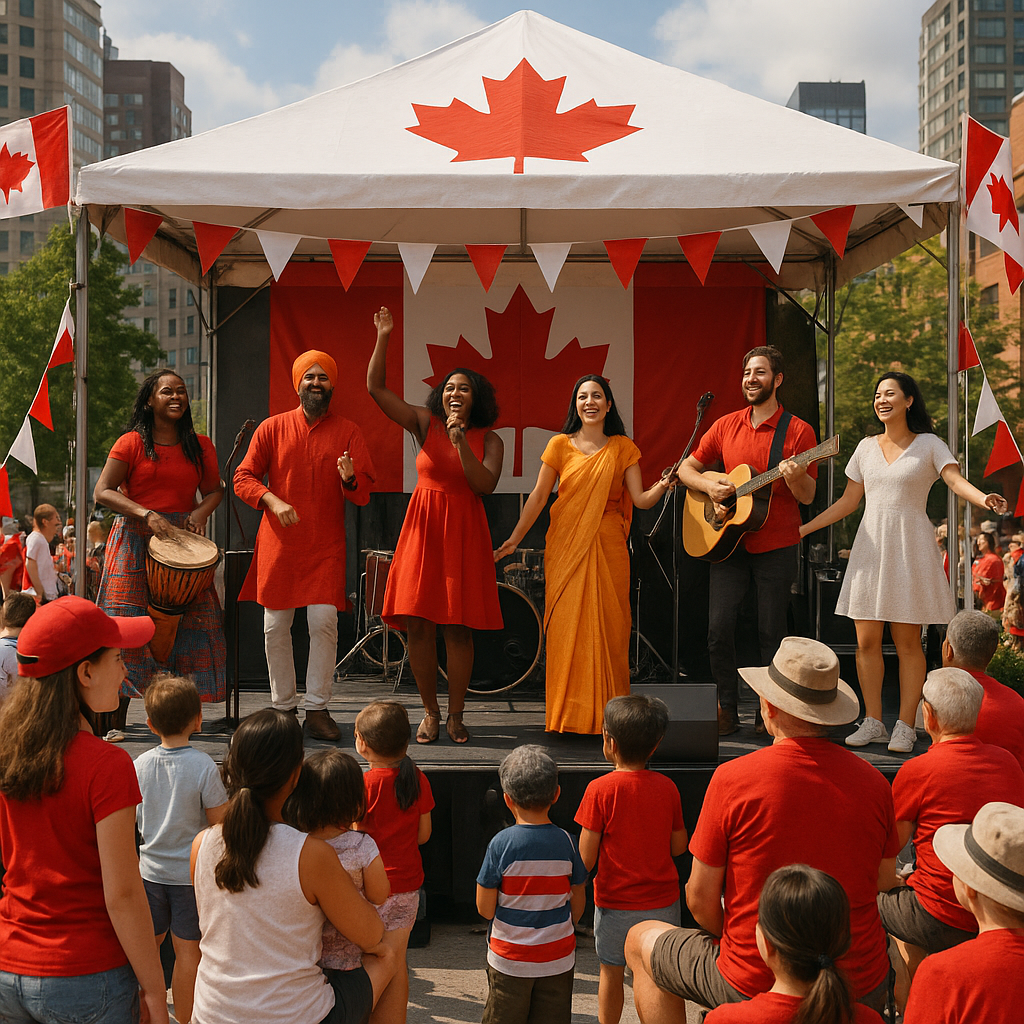
The most recognizable Canada Day celebrations include fireworks, live music, public speeches, and family-friendly festivals. Yet there is no single way to observe the holiday. Celebrations can be large or small, formal or casual, urban or rural.
Common Canada Day Traditions
- Wearing red and white clothing or maple leaf accessories
- Attending local parades, concerts, and festivals
- Watching fireworks after sunset
- Hosting backyard barbecues, picnics, or cottage gatherings
- Visiting museums, parks, or historic sites
- Participating in citizenship ceremonies or community volunteer events
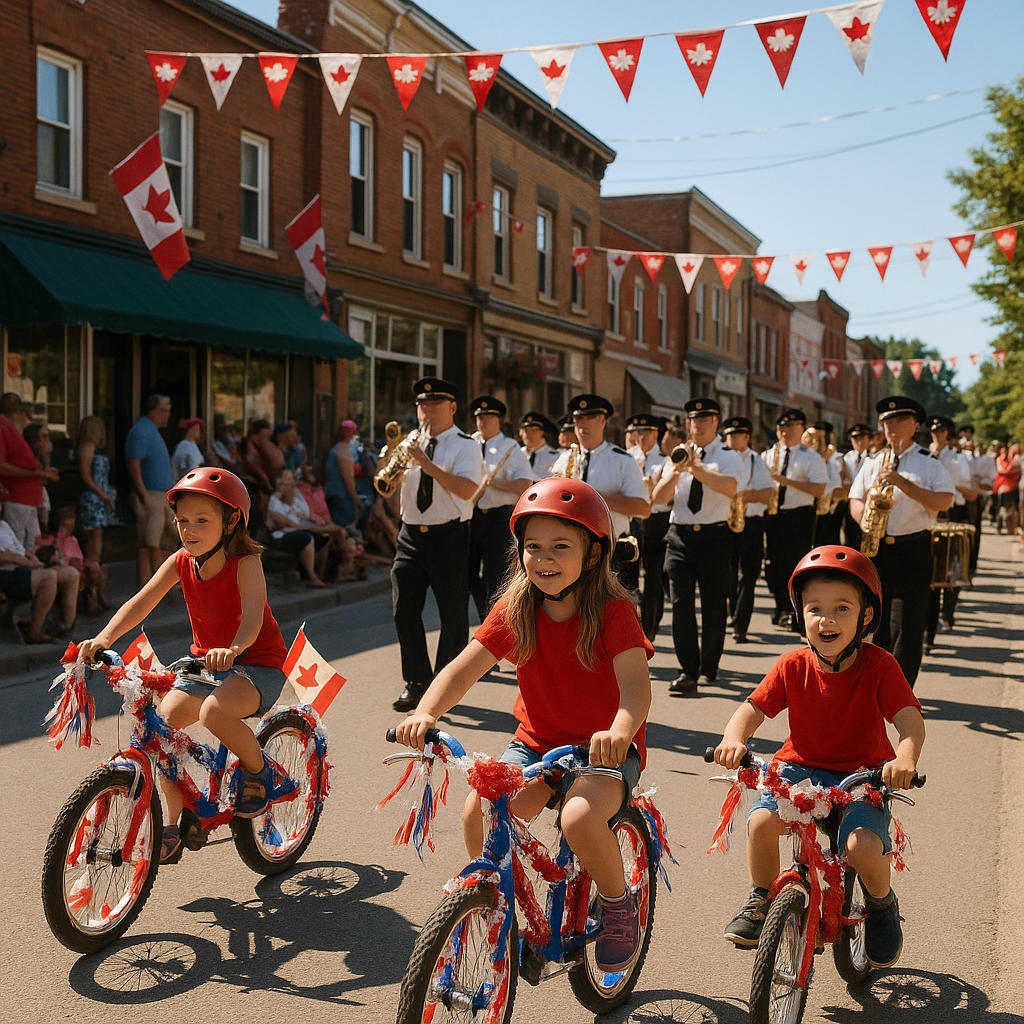
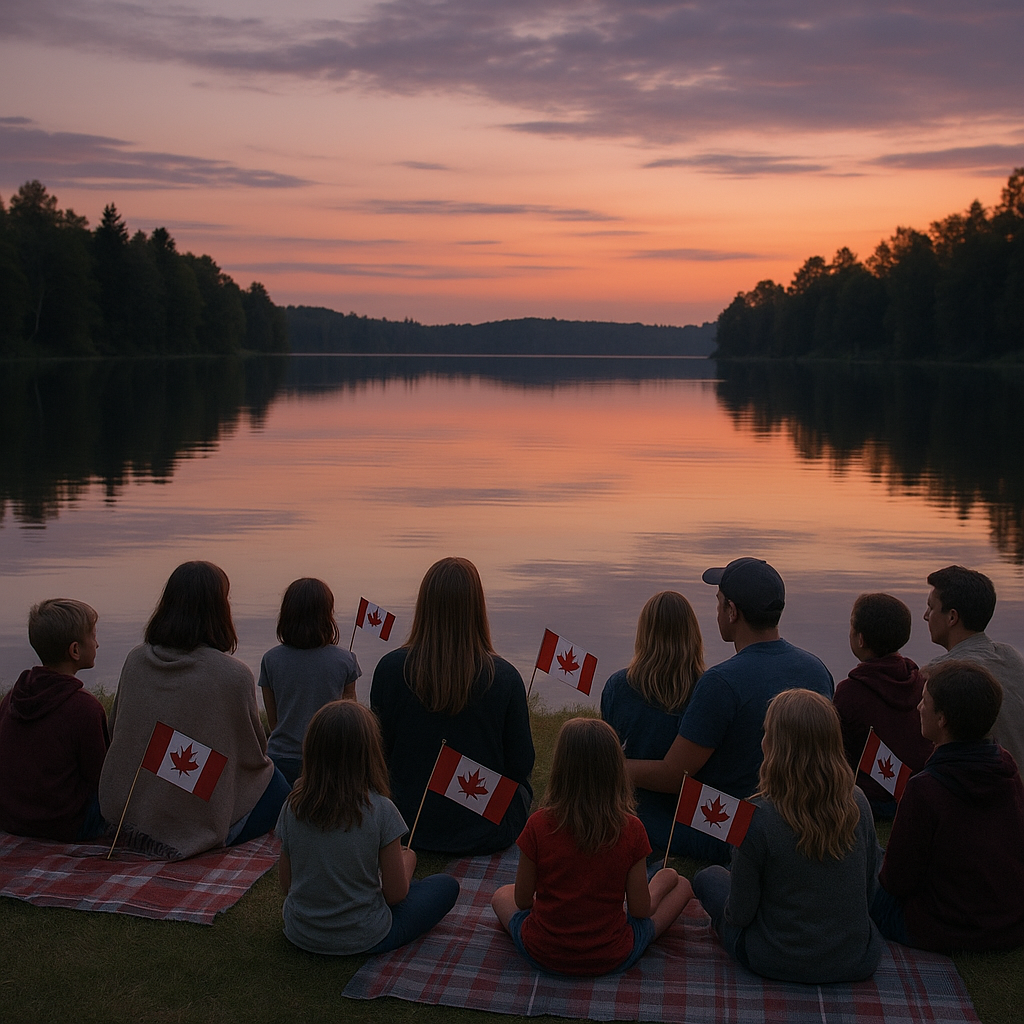
Many families also create their own annual routines, such as decorating bicycles for a neighborhood parade, baking themed desserts, or spending the day at a lake. These personal traditions often become just as meaningful as official ceremonies.
National Capital Celebrations
Ottawa and Gatineau usually host some of the most visible national events, including performances, official ceremonies, and evening fireworks. Programming often takes place on Parliament Hill or nearby federal sites, though the exact format can change depending on construction, security arrangements, and event planning. The most reliable source for up-to-date details is the Government of Canada’s official event information, such as Canadian Heritage Canada Day resources.
Community-Based Celebrations
Outside the capital region, municipalities across Canada put their own spin on the day. Some emphasize live entertainment and fireworks. Others focus on pancake breakfasts, family games, artisan markets, or waterfront events. In smaller communities, Canada Day can feel especially personal, with local volunteers organizing everything from face painting to evening dances.
Regional Variations Across Canada
Canada is vast, and Canada Day does not look exactly the same from one province or territory to another. Geography, culture, language, and local history all shape the way people celebrate.
Atlantic Canada
In Atlantic provinces, waterfront celebrations, community music, and family events are common. Historic settings often play a strong role, and in some towns the holiday overlaps with peak tourism season, creating lively downtown atmospheres.
Quebec
In Quebec, Canada Day exists alongside a strong provincial identity. Public observance varies by community, and July 1 is also widely associated with moving day in many parts of the province because residential leases traditionally end on June 30. As a result, the holiday can feel different there than in other parts of Canada.
Ontario and the Prairies
In Ontario, Manitoba, Saskatchewan, and Alberta, Canada Day celebrations often include large civic festivals, outdoor concerts, multicultural performances, and park-based gatherings. Prairie cities may also host rodeo-adjacent or fair-style attractions depending on local custom.
British Columbia
British Columbia often blends urban celebrations with outdoor recreation. It is common for people to combine organized events with beach outings, mountain trips, or long weekend travel when schedules allow.
Northern Canada
In Yukon, the Northwest Territories, and Nunavut, events may be smaller in scale but deeply community-centered. Local traditions, cultural performances, and public meals are often important. Daylight patterns and weather conditions can also shape the tone of celebration in distinctive ways.
If you are planning a trip around the holiday, check local city calendars and tourism boards early. Hotel demand and transportation prices often rise around major summer events.
Canada Day Foods and Festive Menu Ideas
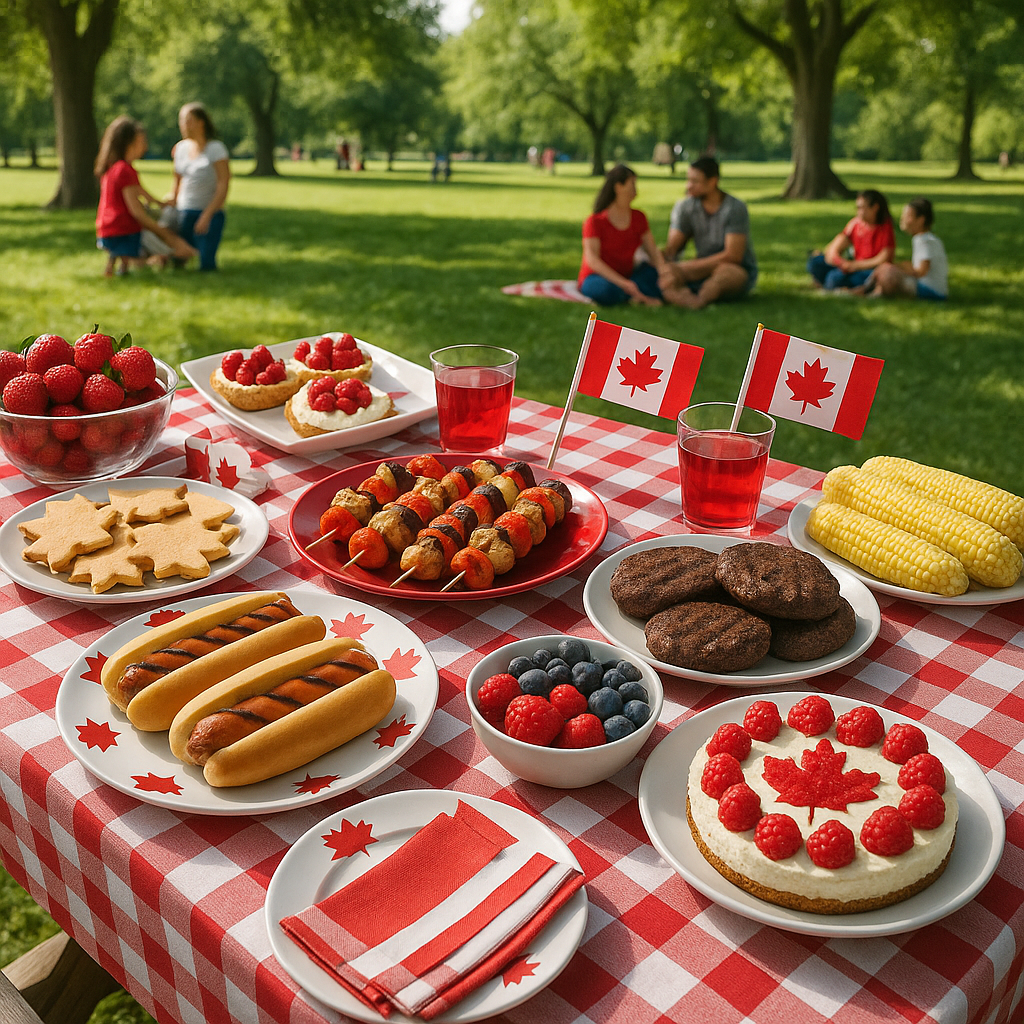
Food is a major part of Canada Day 2026, and many celebrations revolve around sharing simple summer dishes. Unlike holidays with a single mandatory meal, Canada Day food traditions are flexible and regional. That makes it easy to plan a menu that feels festive without being overly formal.
Popular Canada Day Foods
- Barbecue favorites such as burgers, hot dogs, grilled chicken, and sausages
- Poutine or poutine-inspired snacks
- Fresh summer berries, especially strawberries and raspberries
- Butter tarts, Nanaimo bars, and maple-flavored desserts
- Potato salad, corn on the cob, and picnic sides
- Regional seafood dishes in coastal communities
Simple Themed Menu for a Canada Day Gathering
| Course | Idea | Why It Works |
|---|---|---|
| Main | Grilled burgers or veggie burgers | Easy for groups and outdoor cooking |
| Side | Poutine bites or loaded fries | A recognizable Canadian comfort food |
| Salad | Berry spinach salad | Seasonal, colorful, and refreshing |
| Dessert | Maple cupcakes with berries | Festive red-and-white presentation |
| Drinks | Lemonade, iced tea, sparkling water | Family-friendly and summer appropriate |
When planning food, think about weather, storage, and transportation. If you are heading to a public park, choose items that travel well and comply with local regulations around grills, glass containers, and alcohol.
Modern Observance: Celebration, Identity, and Reflection
Over the past several years, discussion around national holidays has become more nuanced. Canada Day 2026 will likely continue that trend. Many Canadians still embrace the holiday enthusiastically, but there is also greater awareness of the need to acknowledge the impacts of colonization and the history of Indigenous peoples.
That does not mean the day has lost relevance. Instead, it means observance is evolving. A modern Canada Day can include music, family fun, and fireworks while also making room for education, listening, and respectful dialogue. Schools, museums, libraries, and community organizations increasingly offer resources that help people understand the holiday in a broader context.
Ways Communities Are Updating the Holiday
- Including Indigenous artists, speakers, and cultural programming in public events
- Creating spaces for historical interpretation and civic learning
- Hosting citizenship ceremonies that highlight belonging and participation
- Promoting inclusive celebrations that reflect Canada’s cultural diversity
- Offering family activities that are low-cost or free
This shift has helped many communities make the day more meaningful, especially for younger generations who want celebrations to be enjoyable, honest, and inclusive.
Practical Tips for Planning Canada Day 2026
If you want to make the most of Canada Day 2026, a little preparation goes a long way. Major events can attract large crowds, and summer weather can be unpredictable depending on the region.
Before You Go
- Check official municipal or federal event pages for times, road closures, and security rules
- Confirm whether fireworks are scheduled and where viewing zones are located
- Bring sunscreen, water, hats, and layers for changing temperatures
- Use public transit when possible, especially in large cities
- Download tickets or maps in advance if required
If You Are Celebrating at Home
- Decorate with simple red-and-white table settings
- Create a playlist featuring Canadian artists
- Plan lawn games, trivia, or a family movie night
- Serve easy summer food that can be prepared ahead of time
- Be considerate of neighbors and local bylaws regarding noise or fireworks
Home gatherings remain one of the easiest and most affordable ways to celebrate. They are also a good option for families with young children, older adults, or anyone who prefers a quieter atmosphere.

Safety, Etiquette, and Responsible Celebration
A memorable holiday should also be a safe one. Crowds, heat, traffic, and fireworks all require some common-sense planning. Public celebrations are best enjoyed when people respect shared spaces and one another.
Key Safety Reminders
- Stay hydrated, especially during daytime outdoor events
- Keep an eye on children near water, roads, or large crowds
- Follow local firework laws and leave professional displays to trained operators where required
- Dispose of litter properly and help keep parks and neighborhoods clean
- Respect cultural performances and ceremonies with appropriate attention and courtesy
Accessibility matters too. If you are organizing a gathering, think about seating, shade, washroom access, stroller-friendly routes, and mobility needs. Inclusive planning improves the experience for everyone.
Canada Day 2026 at a Glance
| Item | Details |
|---|---|
| Date | Wednesday, July 1, 2026 |
| Type | National holiday in Canada |
| Also Known As | Formerly Dominion Day |
| Main Themes | Confederation, community, culture, reflection, celebration |
| Typical Activities | Fireworks, concerts, parades, picnics, barbecues, ceremonies |

Ideas for Families, Visitors, and Newcomers
Canada Day is especially welcoming for people experiencing it for the first time. If you are a visitor or a new resident, local events can offer an easy introduction to Canadian civic life and summer culture.
Family-Friendly Ideas
- Attend a daytime festival with crafts and live entertainment
- Visit a museum or heritage village offering special programming
- Pack a picnic for a park celebration
- Watch fireworks from a less crowded neighborhood vantage point
Good Options for Visitors
- Explore a capital-city event for a big national atmosphere
- Choose a small-town celebration for a more intimate local experience
- Pair the holiday with a nature outing, waterfront walk, or regional food tour
Meaningful Ways for Newcomers to Participate
New Canadians and recent arrivals may find the holiday especially significant. Citizenship ceremonies held on or around July 1 are often moving public moments, and many communities make a special effort to welcome newcomers. Joining a local event, trying regional foods, and learning about the country’s history can all help deepen the experience.
For more context on national identity and public customs, you might also explore Canadian symbols and meanings.

Frequently Asked Questions
When is Canada Day 2026?
Canada Day 2026 is on Wednesday, July 1, 2026.
What does Canada Day celebrate?
It commemorates Confederation on July 1, 1867, when the British North America Act united several colonies into the Dominion of Canada.
Is Canada Day a public holiday?
Yes. Canada Day is a national statutory holiday in Canada. Closures and substitute-day rules may vary depending on province, territory, and employer policy.
Why was Dominion Day renamed Canada Day?
The holiday was officially renamed in 1982 to reflect modern Canadian identity more directly. The earlier name referred to Canada’s original status as a dominion.
How do people celebrate Canada Day?
Common traditions include fireworks, concerts, parades, festivals, family barbecues, picnics, and community events. Some people also mark the day through reflection, education, and civic activities.
Are there official events for Canada Day 2026?
Yes. Federal, provincial, territorial, and municipal bodies typically organize official programming. Check government and city event pages for the most current schedules and logistics.
What should I wear on Canada Day?
Many people wear red and white, often with maple leaf accessories. Comfortable weather-appropriate clothing is best, especially if you will be outdoors all day.
What food is popular on Canada Day?
Barbecue foods, picnic dishes, berries, maple desserts, butter tarts, Nanaimo bars, and in some places poutine are popular choices.
Conclusion
Canada Day 2026 is more than a midsummer celebration. It is a national occasion that brings together history, community, food, music, and public life in a distinctly Canadian way. For some, the highlight will be fireworks over a skyline. For others, it will be a quiet picnic, a cultural performance, a citizenship ceremony, or a moment to reflect on what Canada has been and what it can become.
However you choose to observe it, the most meaningful celebrations are often the ones that balance joy with awareness. By learning the history, supporting local events, respecting different perspectives, and gathering with intention, you can make Canada Day 2026 both memorable and thoughtful.
