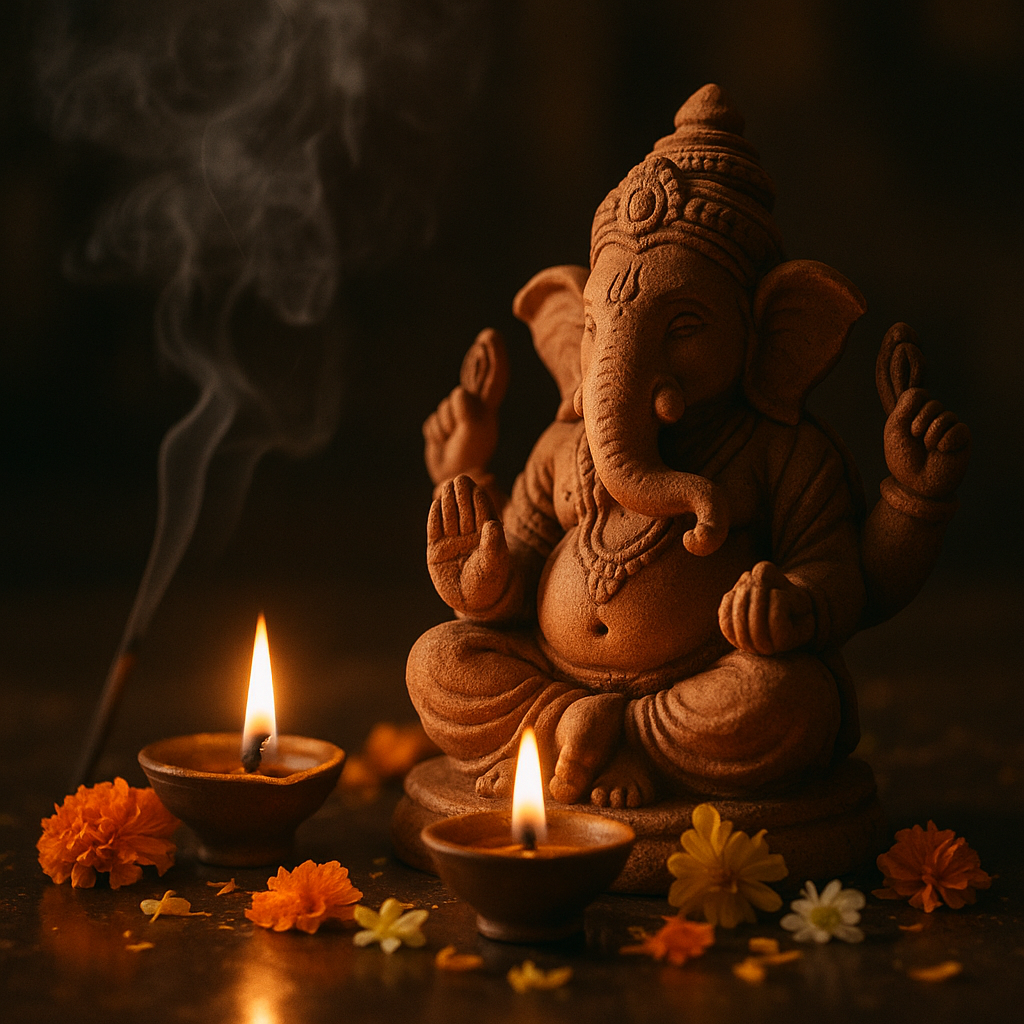
Ganesh Chaturthi 2026 will be celebrated in India around 12 September 2026, marking the birth anniversary of Lord Ganesha, the elephant-headed deity revered as the remover of obstacles, patron of wisdom, and harbinger of auspicious beginnings. Warm, colorful, and deeply symbolic, this festival brings together home worship, public devotion, music, art, sweets, and community celebration in a way few other observances do. Whether you are learning about the festival for the first time, planning to participate respectfully, or looking for meaningful ways to celebrate, this guide explains its history, rituals, regional variations, foods, and modern relevance in detail.
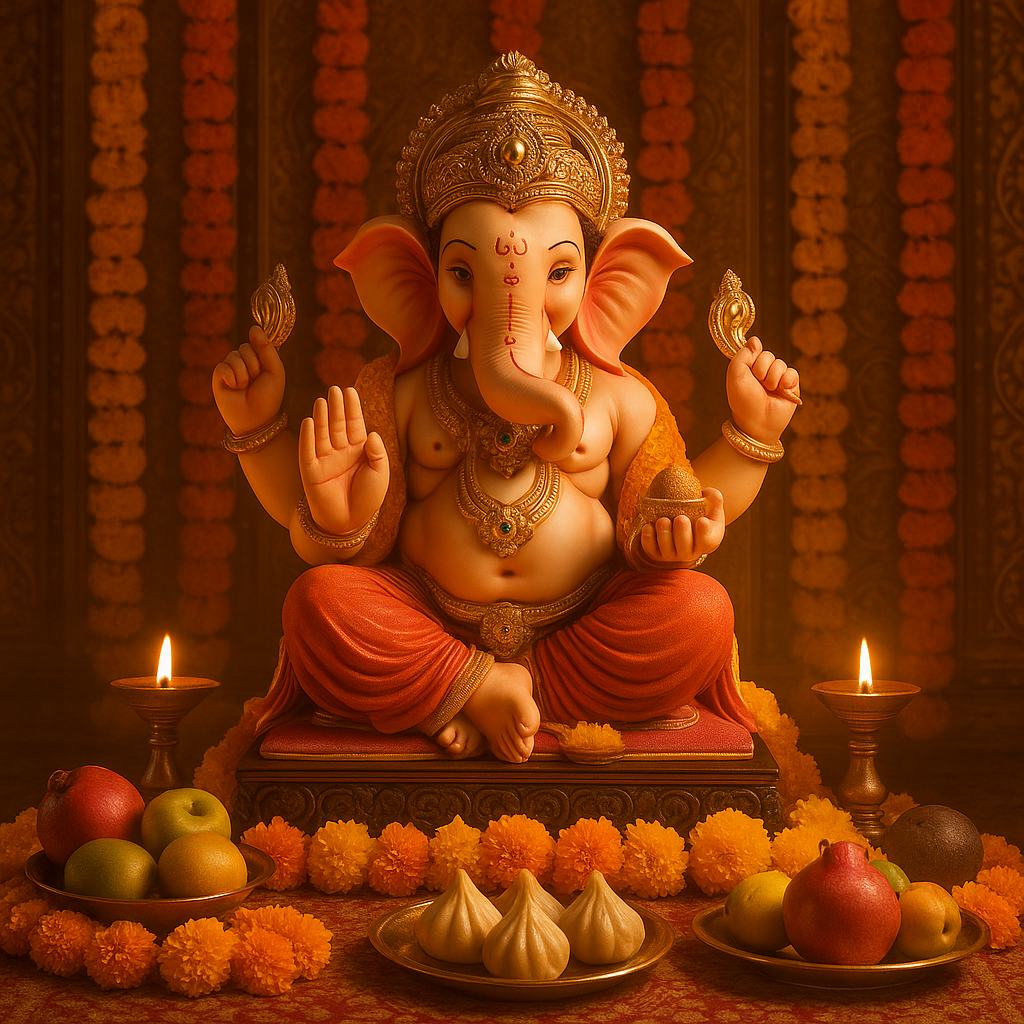
Known also as Vinayaka Chaturthi or Ganpati Utsav, the festival usually lasts for 1, 3, 5, 7, or 10 days, depending on household custom and community practice, and concludes with the emotional immersion ritual called visarjan. The atmosphere ranges from intimate and devotional in homes to grand and theatrical in public mandals, especially in Maharashtra. Yet at its core, Ganesh Chaturthi is about inviting divine grace into daily life and remembering that humility, intelligence, and perseverance can help overcome even the most difficult challenges.
If you enjoy exploring India’s festive calendar, you may also like Diwali traditions in India and Navratri celebration guide, which offer broader context for seasonal worship, family customs, and regional culture.
Ganesh Chaturthi 2026 Date and Overview
Ganesh Chaturthi is observed on the fourth day (Chaturthi) of the waxing moon phase in the Hindu month of Bhadrapada. In 2026, the festival is expected around 12 September 2026, though exact local observance can vary based on regional calendars and temple panchangs. The final immersion day often falls on Anant Chaturdashi for those observing the full 10-day celebration.
| Festival Detail | Information |
|---|---|
| Festival Name | Ganesh Chaturthi / Vinayaka Chaturthi |
| Observed In | India and Hindu communities worldwide |
| Approximate 2026 Date | 12 September 2026 |
| Main Deity | Lord Ganesha |
| Typical Duration | 1 to 10 days |
| Key Rituals | Idol स्थापना/installation, puja, aarti, offerings, visarjan |
For a broad historical overview of the deity and the festival, readers can consult Wikipedia’s page on Ganesh Chaturthi, while state tourism portals often provide city-specific schedules and cultural highlights during the festival season.
History and Origin of Ganesh Chaturthi
The worship of Lord Ganesha is ancient and deeply rooted in Hindu tradition. Ganesha appears in Puranic literature and devotional practice as a powerful yet approachable deity invoked before new ventures, journeys, business deals, weddings, studies, and artistic performances. His iconography is richly symbolic: the elephant head signifies wisdom and keen perception, the large ears suggest attentive listening, and the curved trunk reflects adaptability and strength.
Mythologically, several stories explain Ganesha’s origin. The most well-known tells of Goddess Parvati creating a child from sandalwood paste or the turmeric paste from her body and assigning him to guard her privacy. When Lord Shiva returned and was stopped by the child, a fierce confrontation followed, ending with the child’s beheading. To restore him, Shiva replaced his head with that of an elephant and declared him worthy of first worship among the gods. This story, while dramatic, conveys profound themes of identity, obedience, transformation, and divine restoration.
As a public festival, Ganesh Chaturthi gained extraordinary momentum in the late 19th century. Freedom leader Bal Gangadhar Tilak is widely credited with transforming private household worship into a larger community celebration in Maharashtra during British colonial rule. Public Ganesh festivals helped create social unity, cultural confidence, and collective participation at a time when political assembly was restricted. Through processions, performances, devotional singing, and speeches, the festival became not only a spiritual event but also a cultural movement.
This historical shift explains why Ganesh Chaturthi today can feel both deeply personal and vibrantly public. A family may quietly perform morning puja at home, while a neighborhood mandal stages elaborate decorations, music programs, and charitable activities. The two forms are not separate; they are complementary expressions of the same devotion.
Spiritual Significance and Meaning
Ganesh Chaturthi is much more than a festive date on the calendar. It symbolizes the invitation of wisdom into the home and the removal of inner and outer obstacles. Devotees pray to Ganesha for clarity before examinations, courage before difficult decisions, and blessings at the beginning of new jobs, businesses, homes, or relationships.
Ganesha is also associated with balance. His large belly is often interpreted as the ability to peacefully digest life’s experiences, while the mouse at his feet symbolizes desire kept under control. The sweets offered to him represent the rewards of spiritual discipline and honest effort. In this way, the festival does not merely celebrate abundance; it teaches discernment, patience, and gratitude.
At the heart of Ganesh Chaturthi is a simple but lasting message: begin with humility, act with intelligence, and trust that obstacles can become opportunities for growth.
For many devotees, the temporary presence of the idol and its eventual immersion carry a deeper philosophical lesson. The divine is welcomed into form, worshipped with love, and then respectfully returned to the elements. This cycle reflects the impermanence of material life and the continuity of spiritual truth.
How Ganesh Chaturthi Is Celebrated
1. Bringing Home or Installing the Idol
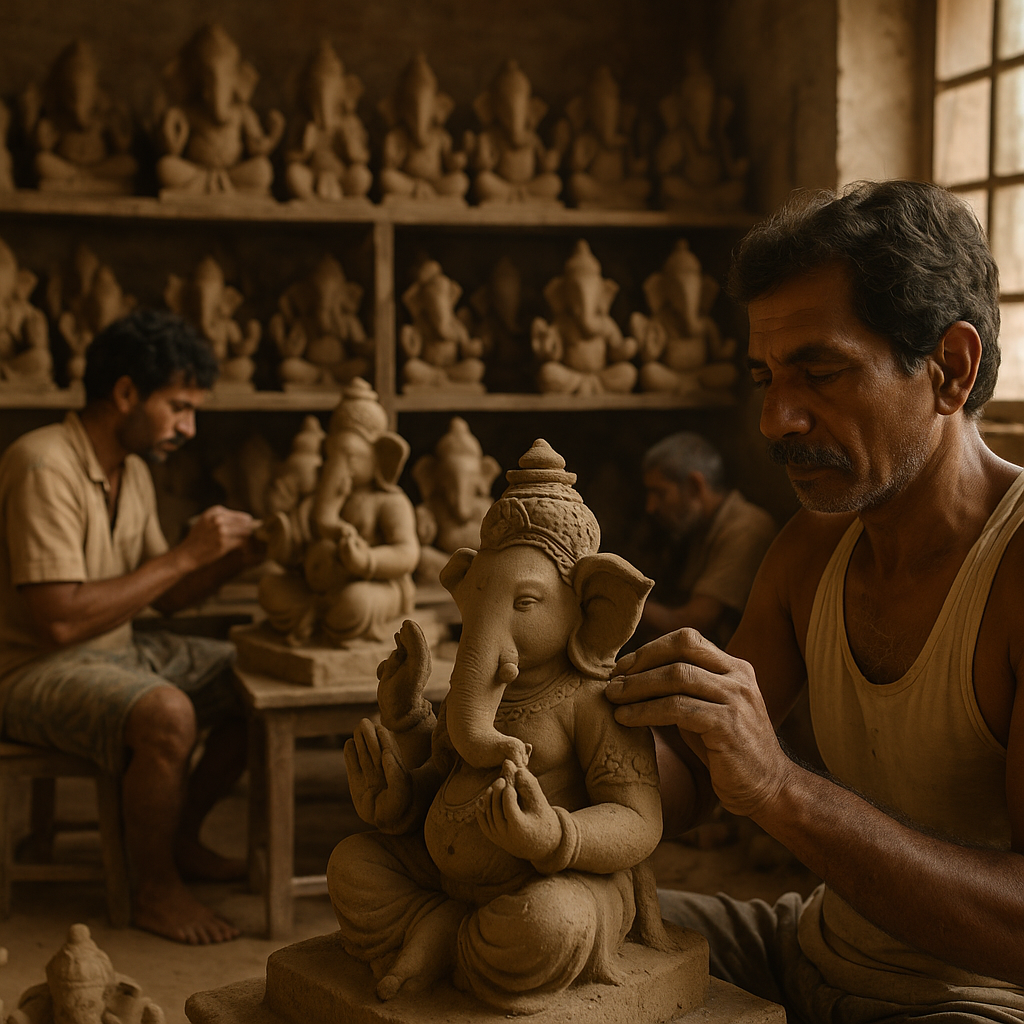
The festival usually begins with the purchase or creation of a Ganesha idol made from clay, plaster alternatives, metal, or reusable materials. Increasingly, eco-friendly clay idols are preferred. Homes often choose smaller idols for family worship, while public pandals may install large, artistically themed representations.
The installation ritual, called sthapana, is performed with prayers, flowers, lamps, incense, and sacred chanting. The idol is placed on a decorated platform with fruits, sweets, durva grass, betel leaves, and coconut. Many families clean and decorate the home beforehand to create an atmosphere of purity and welcome.
2. Daily Puja and Aarti
During the festival days, devotees perform daily worship that may include:
- Lighting a lamp and incense
- Offering flowers and durva grass
- Reciting Ganesha mantras and prayers
- Singing morning and evening aarti
- Offering sweets such as modaks and laddus
- Reading sacred stories or listening to devotional music
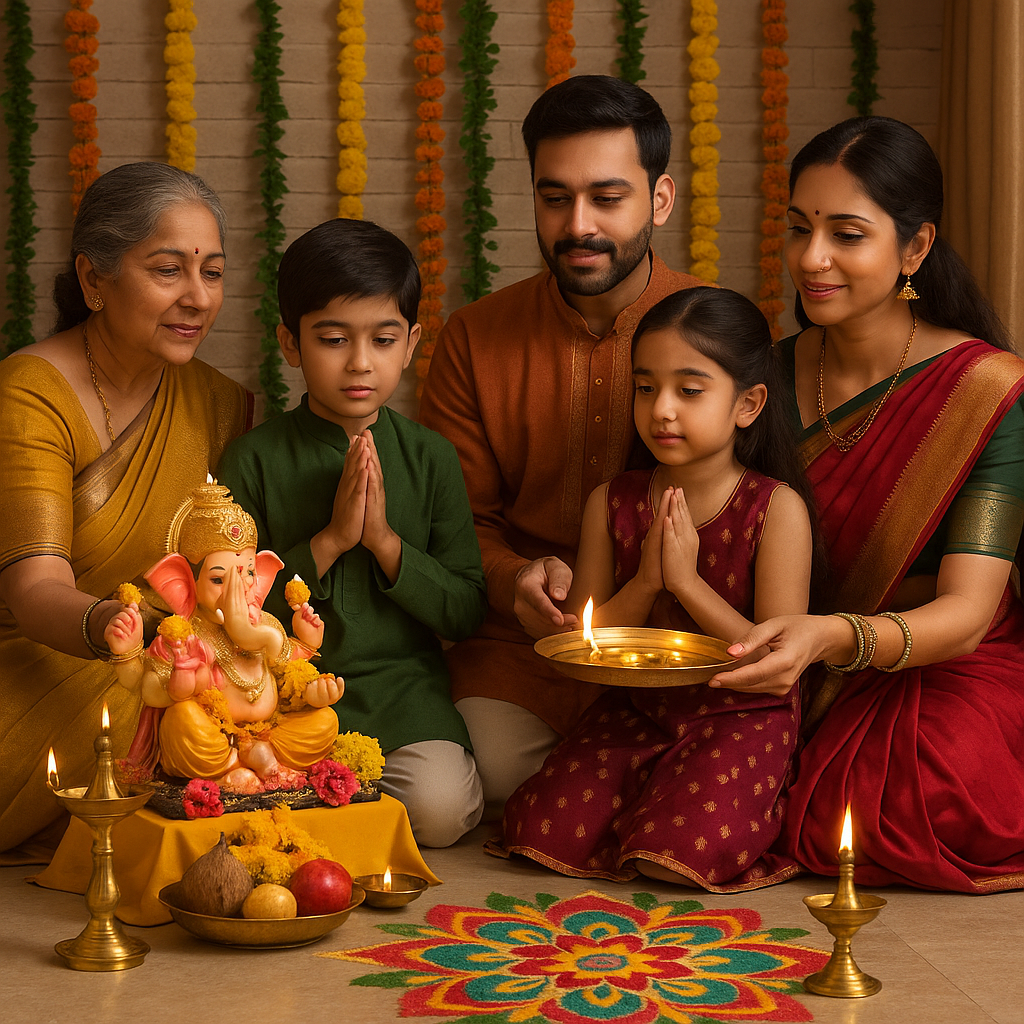
One of the best-known chants is “Om Gan Ganapataye Namah,” a mantra often repeated to invoke Ganesha’s blessings. In family settings, children are commonly included in the rituals, helping place flowers, ring bells, or prepare offerings. This makes the festival a powerful vehicle for passing cultural memory from one generation to the next.
3. Community Gatherings and Cultural Programs
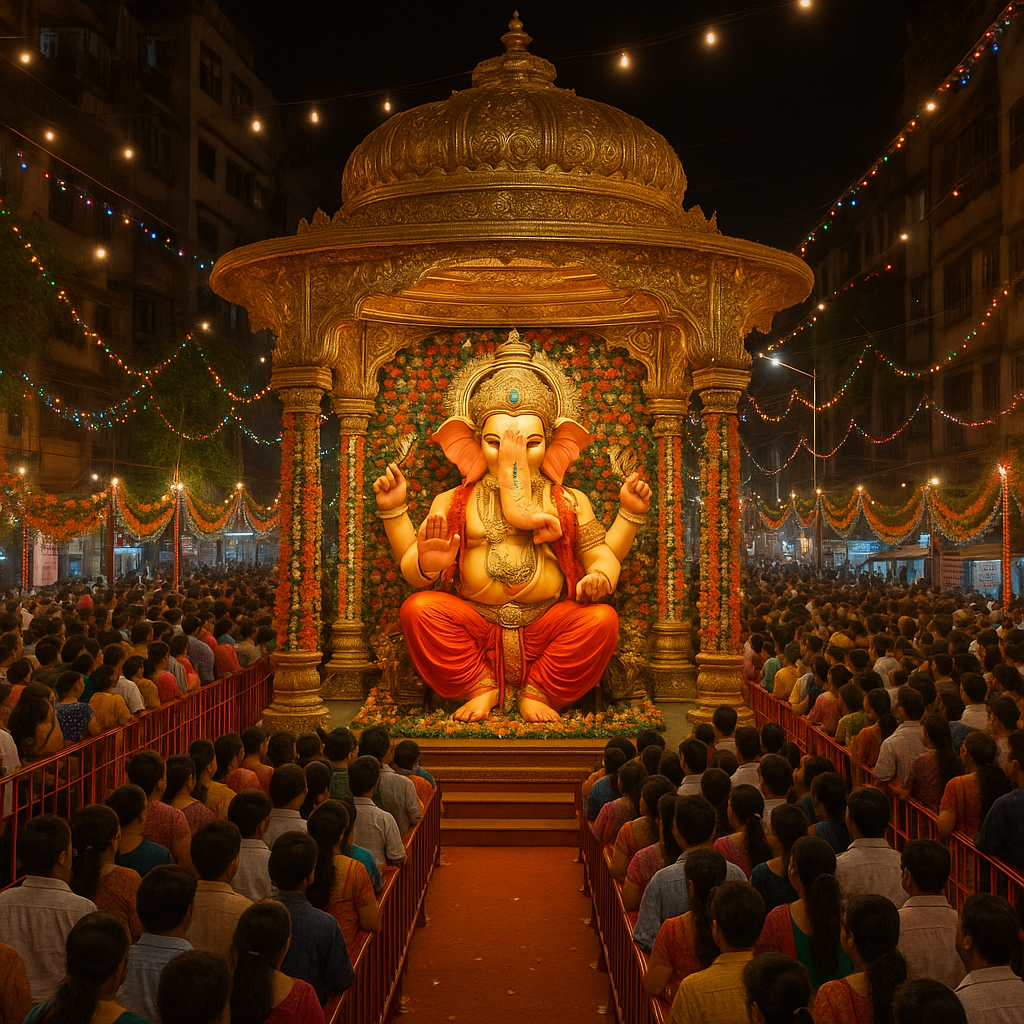
Public celebrations often include bhajans, classical dance, plays, charity drives, food distribution, health camps, and educational events. In many cities, pandals compete in creativity, using themes based on mythology, architecture, social causes, or regional art forms. Despite the festive energy, the devotional core remains central: darshan, aarti, and collective prayer.
4. Visarjan: The Farewell Immersion
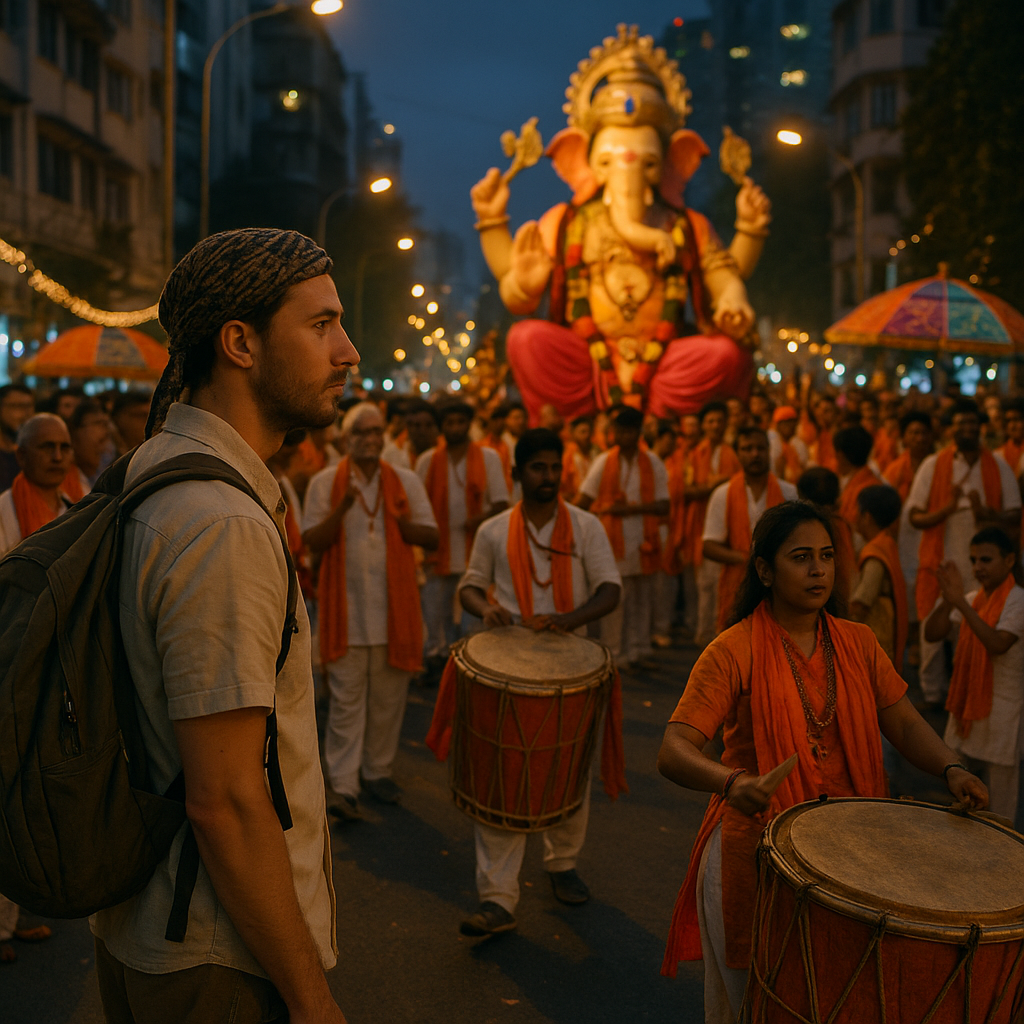
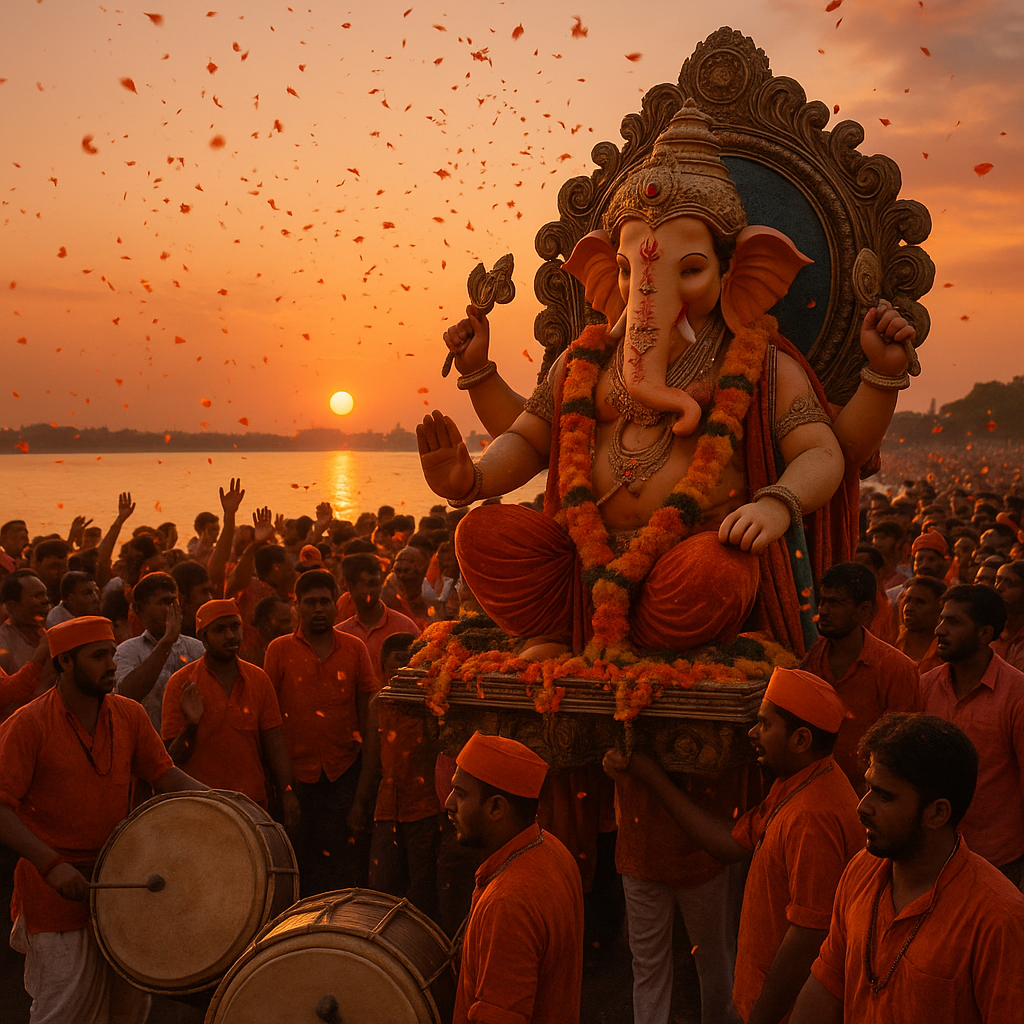
The final immersion ceremony, or Ganesh visarjan, is one of the most moving moments of the festival. Devotees bid farewell to the idol with song, drums, dance, and chants such as “Ganpati Bappa Morya, pudhchya varshi lavkar ya,” meaning “O Lord Ganesha, come again early next year.” The idol is then immersed in a water body or, increasingly, in an artificial immersion tank arranged to reduce environmental impact.
Emotionally, visarjan represents both letting go and keeping faith. The physical idol departs, but the blessings, values, and memory of the celebration remain.
Regional Variations Across India
Ganesh Chaturthi is observed across India, but each region gives it a distinctive local flavor.
Maharashtra
Maharashtra is the epicenter of large public Ganesh celebrations. Cities like Mumbai, Pune, Nagpur, and Kolhapur host famous mandals, grand processions, and elaborate decorations. Well-known public idols draw enormous crowds, and many neighborhoods maintain decades-old traditions.
Karnataka
In Karnataka, households and communities celebrate with devotion, floral decoration, traditional sweets, and temple visits. In some places, Gauri and Ganesha worship are linked, with special observances for family well-being and prosperity.
Andhra Pradesh and Telangana
These states often feature impressive community idols and energetic processions. Hyderabad in particular is known for large-scale installations and public participation. Vinayaka Chavithi is celebrated with ritual precision and strong community involvement.
Tamil Nadu
In Tamil Nadu, the festival is known as Pillayar Chaturthi. Clay idols, kozhukattai offerings, and temple worship are especially important. The observance tends to combine domestic devotion with temple-centered spirituality.
Goa and Other Regions
In Goa, Ganesh Chaturthi can be among the most important family festivals of the year, often involving ancestral homes, carefully prepared meals, and beautifully arranged altars. Elsewhere in India and the global diaspora, communities adapt the celebration to local circumstances while preserving the essence of worship.
To understand broader cultural and historical contexts of Hindu festivals in India, readers may find Hindu festivals of India useful as a related resource.
Traditional Foods and Festive Offerings
No article on Ganesh Chaturthi 2026 would be complete without discussing food. Lord Ganesha is famously associated with sweets, especially modak, a dumpling-like delicacy filled with jaggery and coconut. In Maharashtra, steamed ukadiche modak are especially cherished and often considered Ganesha’s favorite offering.
Popular Ganesh Chaturthi Foods
- Modak: Steamed or fried, sweet-filled dumplings
- Laddu: Besan, boondi, or coconut laddus offered during puja
- Puran poli: Sweet flatbread popular in western India
- Kozhukattai: South Indian variation similar to modak
- Sundal: Seasoned legumes served in some southern homes
- Karanji/Gujiya: Sweet stuffed pastry in some regions
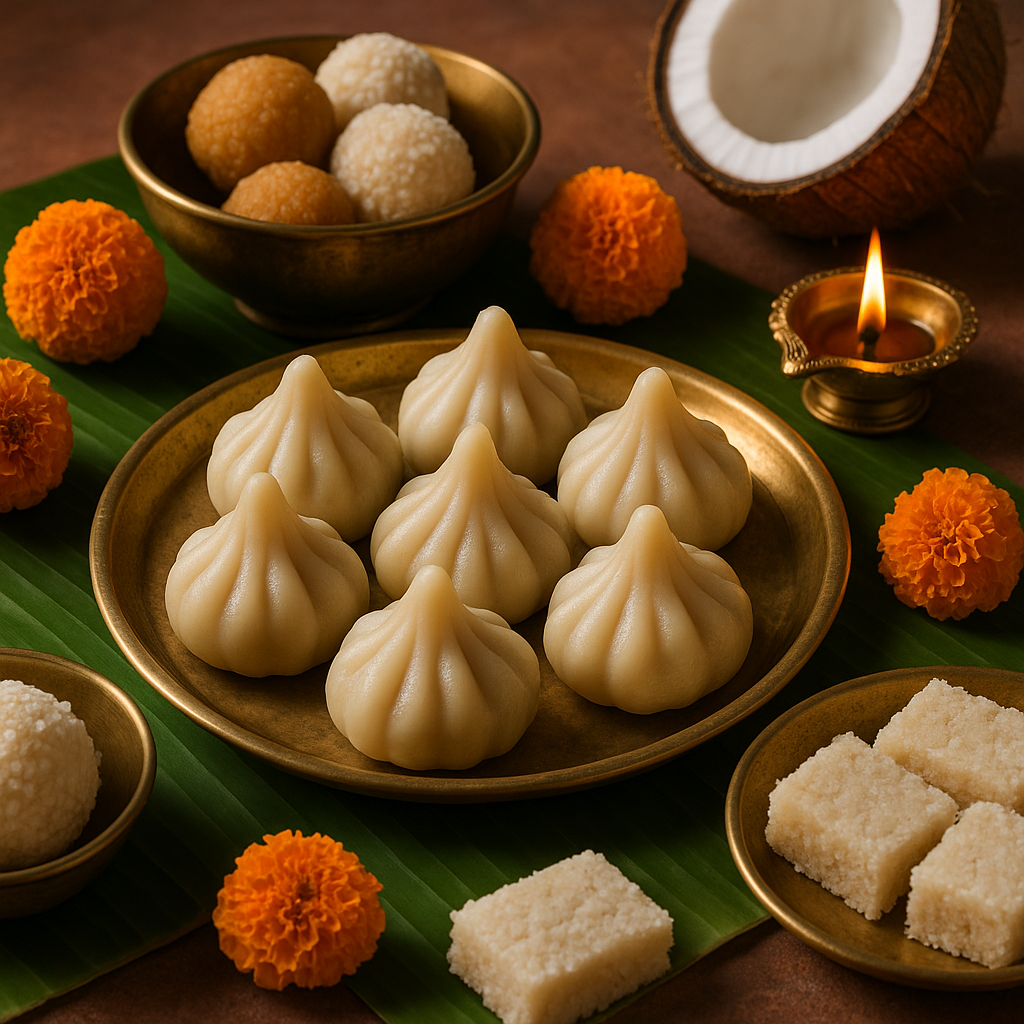
Food during the festival is often more than celebratory. It is devotional, seasonal, and communal. Offerings are made first to the deity, then shared as prasad. This transforms the meal into an act of gratitude and sharing rather than mere indulgence.
Simple Offering Plate for Home Puja
- Fresh flowers and durva grass
- One coconut
- Seasonal fruits such as bananas and pomegranate
- Modaks or laddus
- Betel leaves and nuts, if customary
- A small diya and incense
Ganesh Chaturthi in Modern Times
Modern observance reflects both continuity and change. Urban celebrations today may incorporate online darshan, digital aarti streaming, crowd management systems, eco-awareness campaigns, and community service initiatives. Families living abroad often celebrate with smaller idols, virtual participation with relatives in India, and multilingual devotional gatherings that help children stay connected to heritage.
At the same time, the festival faces contemporary concerns: noise pollution, waste generation, river contamination, crowd safety, and commercialization. These concerns have led many communities to rethink how the festival is conducted without losing its emotional and spiritual depth.
The Rise of Eco-Friendly Celebrations
One of the most important trends in recent years is the move toward sustainable celebration. Eco-friendly Ganesh Chaturthi practices include:
- Choosing natural clay idols instead of plaster of Paris
- Using natural dyes rather than chemical paints
- Decorating with flowers, fabric, paper, and reusable materials
- Using steel, leaf, or compostable serving ware for community meals
- Immersing idols in designated tanks or at home in a bucket for small clay idols
- Donating flowers for composting after the festival
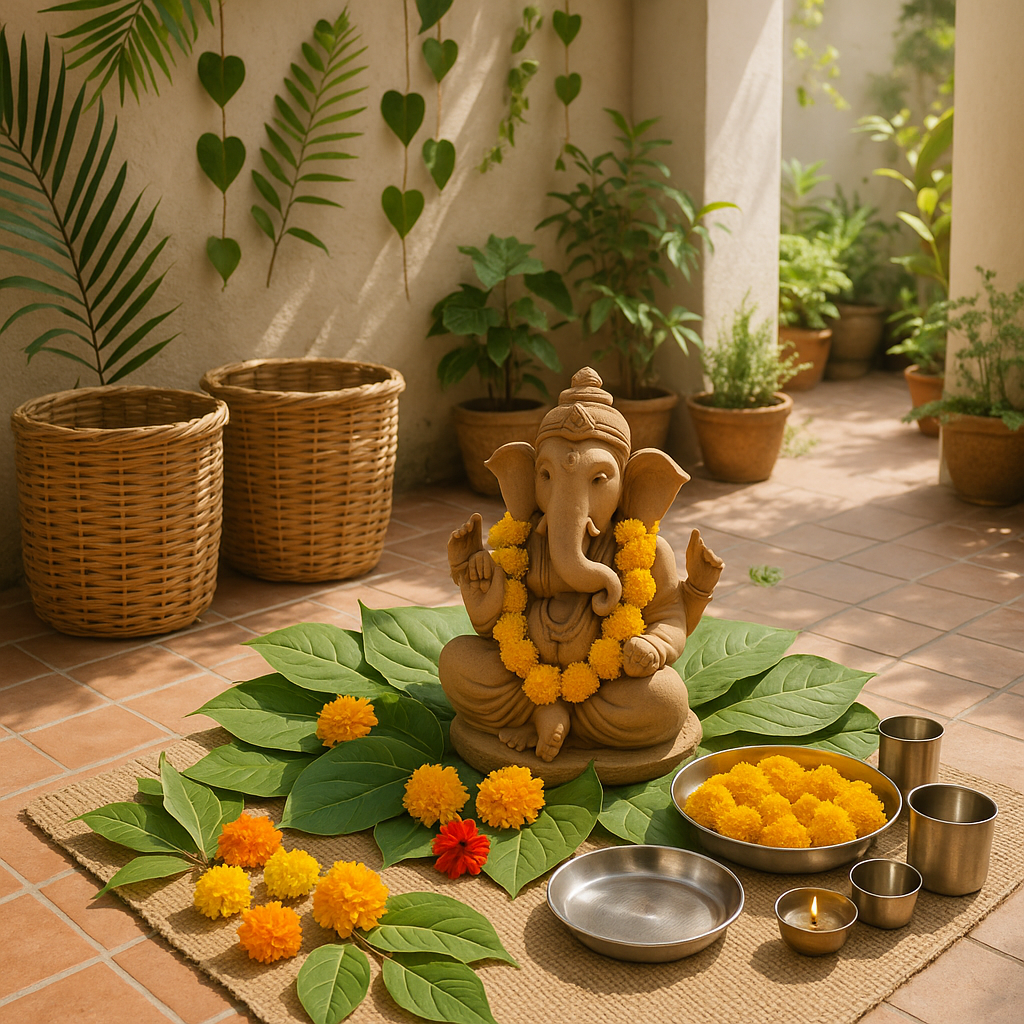
Several municipal and environmental initiatives across India encourage greener observance. For official or civic guidance, local government and tourism portals are often helpful, and broader religious context can also be explored via Encyclopaedia Britannica’s entry on Ganesha.
Practical Tips for Celebrating Ganesh Chaturthi 2026
If you are planning to celebrate Ganesh Chaturthi 2026 at home or visit public festivities, a little preparation can make the experience more meaningful and comfortable.
For Home Celebrations
- Check a local panchang for the most accurate puja muhurat in your city.
- Choose a clean, elevated place for the idol and altar setup.
- Keep offerings simple and sincere; elaborate arrangements are optional.
- Involve children in decoration, story-telling, and prasad preparation.
- Opt for a small clay idol if you prefer an easy and eco-conscious immersion.
For Visiting Public Pandals
- Go early or during non-peak hours to avoid heavy crowds.
- Dress modestly and comfortably, respecting the sacred setting.
- Carry water, but follow local rules about bags and security.
- Be patient in queues and avoid obstructing darshan areas for photos.
- Follow police, volunteer, and municipal instructions during processions.
For International Visitors
Ganesh Chaturthi can be a wonderful festival for cultural travelers, especially in cities like Mumbai and Pune. If you are visiting from abroad, remember that it is both a celebration and a living religious observance. Ask before photographing private rituals, avoid touching altars or offerings unless invited, and observe how locals participate respectfully. The Incredible India official tourism portal can be useful for broader travel planning in India.
Suggested 10-Day Celebration Flow
Not every household observes all ten days, but the traditional longer format gives shape to the devotional rhythm of the festival. Here is a simple outline:
| Day | Typical Focus |
|---|---|
| Day 1 | Idol installation, opening puja, first aarti |
| Days 2-3 | Daily prayers, family visits, prasad sharing |
| Days 4-5 | Community programs, devotional singing, offerings |
| Days 6-7 | Special meals, charity, storytelling for children |
| Days 8-9 | Farewell preparations, final darshan, extra aarti |
| Day 10 | Visarjan procession and immersion |
Symbolism of Common Ritual Items
The details of worship matter because they carry symbolic meaning. Even small offerings become expressive when understood in context.
- Durva grass: Associated with purity, cooling energy, and humility
- Modak: Symbolizes sweetness earned through inner effort
- Coconut: Represents self-offering and the breaking of ego
- Lamp flame: Signifies knowledge dispelling darkness
- Red flowers: Reflect devotion, energy, and auspiciousness
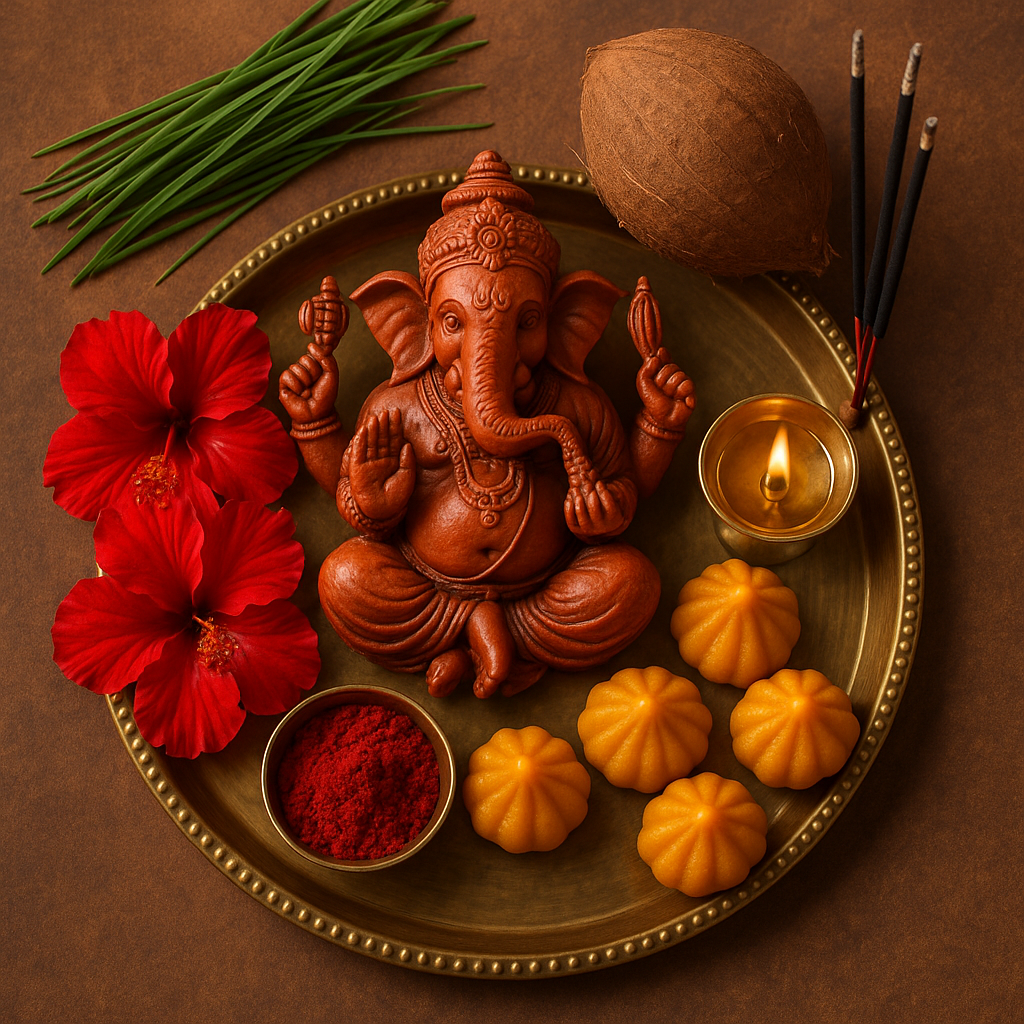
These symbols help explain why Ganesh Chaturthi remains so resonant. It is visually beautiful, but it is also intellectually and spiritually layered. Every ritual, from placing a flower to singing aarti, acts as a small meditation on gratitude, discipline, and renewal.
Frequently Asked Questions
When is Ganesh Chaturthi 2026?
Ganesh Chaturthi 2026 is expected to be observed around 12 September 2026. Exact timings and muhurat may differ by region and local panchang, so devotees usually verify with a temple or calendar specific to their area.
How many days is Ganesh Chaturthi celebrated?
The festival may be observed for 1, 3, 5, 7, or 10 days, depending on family custom and community tradition. The 10-day observance ending on Anant Chaturdashi is especially well known in public celebrations.
Why is Lord Ganesha immersed in water?
The immersion ritual symbolizes returning the deity’s temporary form to the natural elements. Spiritually, it reminds devotees of impermanence, renewal, and the understanding that divine presence continues beyond the physical idol.
What is Ganesha’s favorite food?
Modak is widely regarded as Lord Ganesha’s favorite sweet. Different regions prepare their own versions, including steamed modaks, fried modaks, and kozhukattai.
What is the difference between Ganesh Chaturthi and Vinayaka Chaturthi?
There is no major difference in meaning; both names refer to the same festival honoring Lord Ganesha. Usage varies by language, region, and local devotional tradition.
Can non-Hindus attend Ganesh Chaturthi celebrations?
Yes, public celebrations are often open and welcoming. Visitors should behave respectfully, dress appropriately, avoid disrupting rituals, and follow local customs and security guidance.
What is the best idol for an eco-friendly Ganesh Chaturthi?
A natural clay idol painted with non-toxic colors is generally considered the best eco-friendly option. Some families also choose metal or stone idols for repeated annual use without immersion.
Why Ganesh Chaturthi Still Matters Today
In a fast-moving world, Ganesh Chaturthi offers something rare: a pause for reflection wrapped in joy. It allows families to gather, neighborhoods to cooperate, artisans to showcase skill, and communities to share food, music, and devotion. For students, entrepreneurs, artists, and householders alike, Ganesha remains a powerful symbol of courageous beginnings.
The festival also demonstrates how tradition can evolve responsibly. Eco-conscious idols, quieter celebrations, accessible pandals, digital inclusivity, and charitable initiatives show that heritage need not be static to remain authentic. In fact, thoughtful adaptation may be one reason the festival continues to inspire younger generations.
Conclusion
Ganesh Chaturthi 2026 promises to be a vibrant and meaningful celebration of faith, wisdom, and community. From its ancient mythology and public history to its home rituals, regional foods, and emotional visarjan, the festival carries layers of beauty that go far beyond spectacle. It asks devotees to welcome clarity, act with sincerity, and release what no longer serves them.
Whether you celebrate with a small clay idol at home, visit a neighborhood pandal, cook modaks with family, or simply learn more about India’s sacred traditions, Ganesh Chaturthi offers an uplifting reminder: every good beginning deserves reverence, and every obstacle can become a path to growth.