The growing concern over plastic pollution has ignited a global movement towards sustainability, with International Plastic Bag Free Day serving as a pivotal call to action. This annual event, held on July 3rd, encourages individuals, communities, and governments to recognize the environmental impact of single-use plastic bags and to advocate for alternatives.
In this article, we will delve into the status of International Plastic Bag Free Day in 2023, exploring its significance, the initiatives taken worldwide, and effective strategies to reduce plastic waste. As we uncover the data and stories behind this movement, you’ll gain valuable insights into how you can contribute to a cleaner and greener planet.
H2 The Importance of International Plastic Bag Free Day
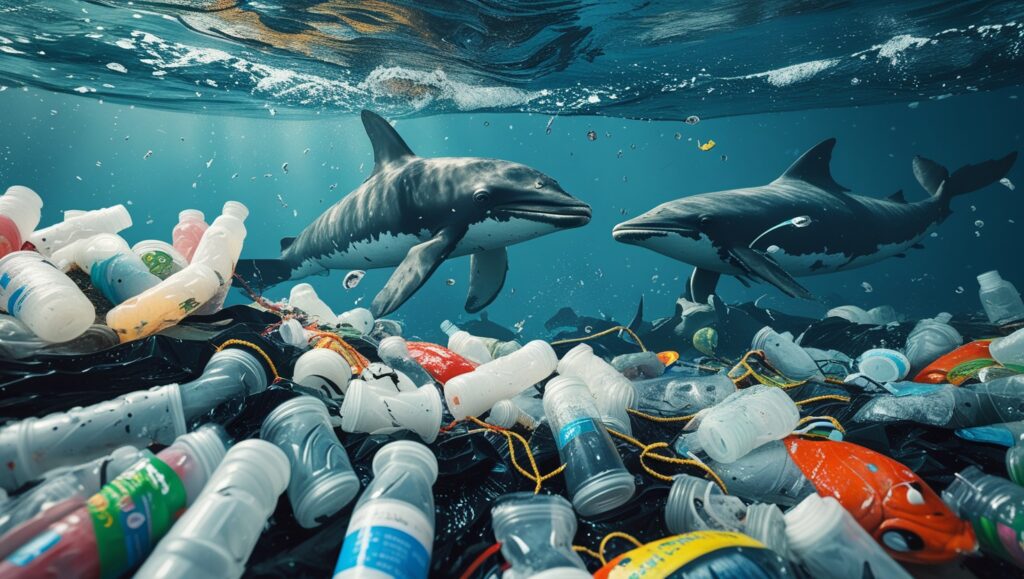
International Plastic Bag Free Day is more than just a day of awareness; it is a crucial moment for reflection and action against plastic pollution. Every year, millions of tons of plastic waste end up in oceans, landfills, and the natural environment, causing harm to wildlife and ecosystems. Understanding the impact of plastic pollution is essential for driving positive change.
Understanding Plastic Pollution
Plastic pollution is a global crisis. According to the United Nations, around 300 million tons of plastic are produced each year, with a significant portion becoming waste. Single-use plastic bags are particularly problematic because they are used for mere minutes but remain in the environment for hundreds of years. This cumulative impact calls for immediate action.
- Plastic bags contribute to marine pollution and threaten aquatic life.
- They impact human health through chemical leaching.
- Reducing plastic usage can significantly lower carbon footprints.
- Plastic pollution disrupts ecosystems and affects biodiversity.
The Ripple Effect of Plastic Waste
As plastic bags break down, they release microplastics that can infiltrate the food chain, affecting not just marine animals but also humans. The long-term implications are staggering, underscoring the need for urgent collective action.
H2 Global Efforts in 2023
In 2023, various countries have ramped up efforts to celebrate International Plastic Bag Free Day through comprehensive campaigns. Governments, NGOs, and local organizations are collaborating to reduce plastic waste and promote sustainable practices.
Case Studies of Successful Initiatives
Countries like Kenya, which banned plastic bags in 2017, have seen significant environmental improvements. Other nations are following suit, implementing similar bans or introducing taxes to discourage plastic bag usage. Here are some notable examples:
| Country | Initiative | Year Implemented |
|---|---|---|
| Kenya | Plastic bag ban | 2017 |
| France | Ban on plastic bags in markets | 2016 |
| Canada | Planned nationwide plastic bag ban | 2021 |
| India | State-level bans on plastic bags | 2022 |
| United Kingdom | 5p charge on plastic bags | 2015 |
International Collaborations
Efforts are further amplified through international partnerships. Events like the UN’s Clean Seas campaign support nations in sharing best practices and resources, fostering a stronger global response to plastic waste.
H2 Community Engagement and Activism
Community engagement plays a vital role in the success of International Plastic Bag Free Day. Local initiatives encourage individuals to take responsibility for their plastic usage and engage in grassroots activism.
Ways Communities Are Getting Involved
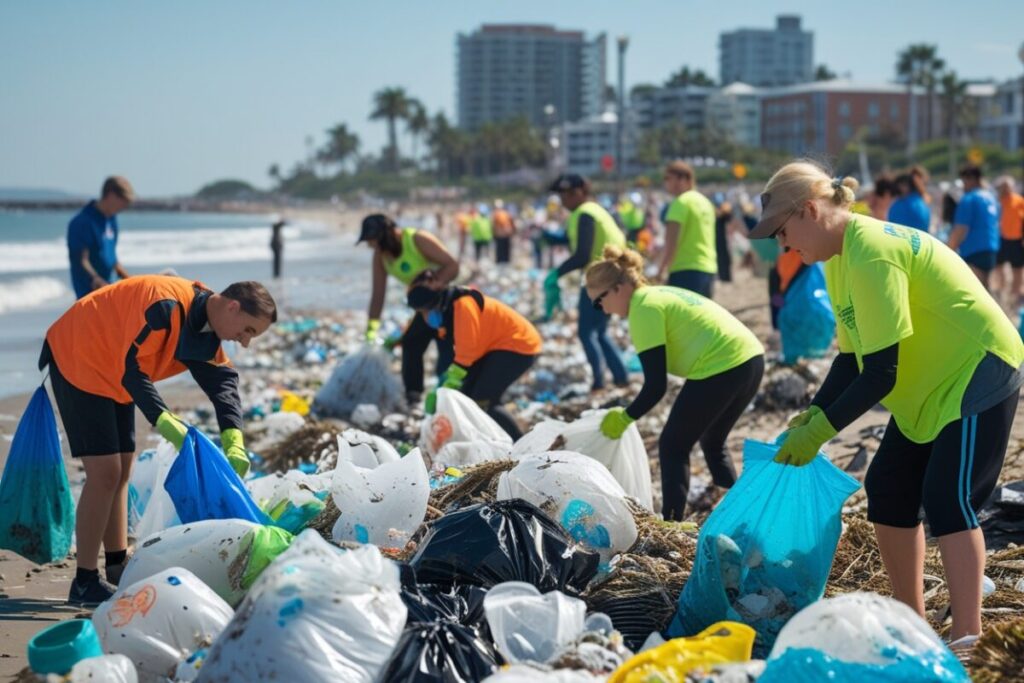
Many communities celebrate this day with clean-up events, workshops, and educational programs. These events not only foster community spirit but also provide an opportunity for education on sustainable practices:
- Organizing local clean-ups to remove plastic waste from beaches and parks.
- Hosting workshops on sustainable living and DIY alternatives to plastic bags.
- Creating art installations from collected plastic waste to raise awareness.
- Collaborating with local businesses to promote sustainable products and practices.
Highlighting Success Stories
Success stories from various communities demonstrate how collective action can lead to significant change. For instance, local schools in California implemented a ‘No Plastic Challenge’, significantly reducing plastic usage during lunch hours.
H2 Innovative Alternatives to Plastic Bags
With the increasing awareness of plastic pollution, innovative alternatives to plastic bags have emerged. These alternatives not only reduce plastic waste but also promote sustainability.
Types of Sustainable Bags
Various eco-friendly bags can effectively replace single-use plastic bags, promoting sustainable practices:
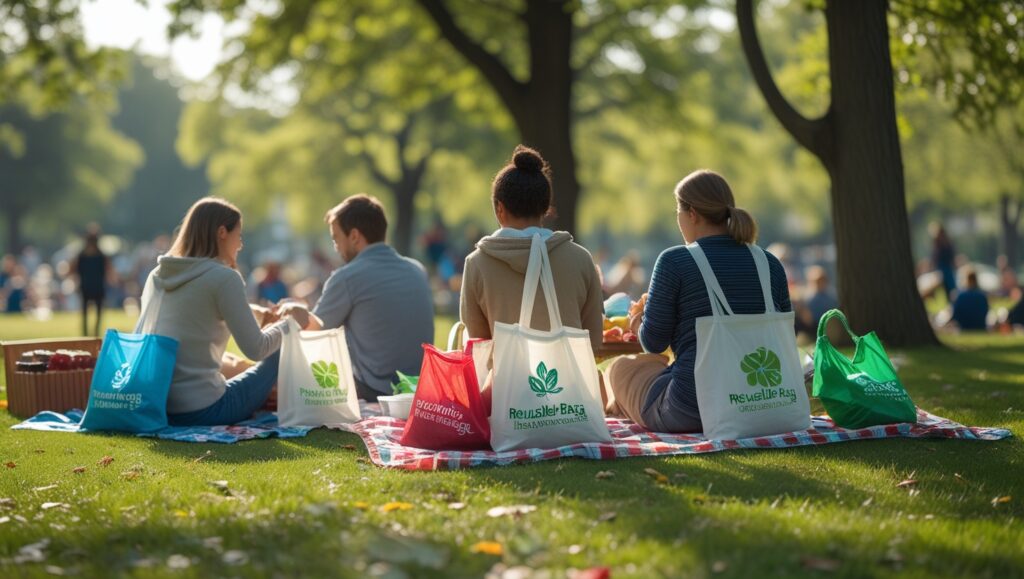
- Reusable Cloth Bags: These bags can be used multiple times and are typically made from organic materials.
- Biodegradable Bags: Made from natural materials, these bags decompose over time, causing less environmental harm.
- Jute Bags: Durable and biodegradable, jute bags are an excellent sustainable alternative.
- Compostable Bags: These bags break down into non-toxic components, making them safe for the environment.
Consumer Trends Towards Sustainability
Research shows that consumers are increasingly willing to pay more for sustainable products. This trend indicates a growing recognition of the importance of environmentally friendly choices, driving businesses to innovate and offer sustainable alternatives.
H2 The Role of Legislation
Legislation plays a critical role in the fight against plastic pollution and is vital for the success of initiatives like International Plastic Bag Free Day. Governments around the world are enacting laws to curb plastic usage and promote sustainable practices.
Key Legislative Measures
Some countries have implemented comprehensive legislation to reduce plastic bag usage:
| Country | Legislation | Impact |
|---|---|---|
| Germany | Plastic bag tax | Reduced usage by 80% since 2016 |
| India | Nationwide ban on single-use plastics | Initiated significant public awareness campaigns |
| United States | State-level bans | Varied impact based on state legislation |
| New Zealand | Plastic bag ban | Implemented in 2019, encouraging alternatives |
| Australia | State-level bans | Gradual reduction of plastic bags across states |
Challenges in Implementation
Despite these advancements, challenges remain in the implementation of plastic bag legislation. Some retailers lobby against bans, arguing they impact consumer convenience, while others face difficulties in transitioning to sustainable practices.
H2 Educational Campaigns and Awareness Programs
Education is at the forefront of the movement against plastic pollution. Awareness programs help individuals understand the implications of plastic use and encourage sustainable practices.
Effective Educational Strategies
Organizations worldwide are implementing various strategies to educate the public:
- School programs that teach students about the environment and sustainability.
- Social media campaigns that promote the importance of reducing plastic use.
- Community workshops that provide practical advice for reducing waste.
- Public service announcements to reach a broader audience and highlight the urgency of the issue.
Case Studies of Educational Success
For instance, a school in the UK developed a curriculum focused on sustainability, resulting in a significant decrease in plastic waste produced by students and their families.
H2 The Business Community’s Response
The business community has a significant role to play in the movement towards a plastic-free future. Many companies are adopting sustainable practices and reducing plastic usage in their operations.
Corporate Social Responsibility (CSR)
Many businesses have initiated CSR programs focused on sustainability:
- Reducing Plastic Packaging: Companies are rethinking their packaging strategies to minimize plastic use.
- Partnering with Environmental Organizations: Collaborations with NGOs to promote sustainability.
- Implementing Recycling Programs: Encouraging the recycling of products and materials.
- Innovating with Alternative Materials: Investing in research to create biodegradable packaging options.
Impact of Corporate Initiatives
Companies that embrace sustainability not only contribute to environmental protection but also enhance their brand image and appeal to eco-conscious consumers.
H2 Measuring Impact: Data and Statistics
To understand the progress made through International Plastic Bag Free Day and similar initiatives, it is essential to measure the impact effectively. This section explores statistics related to plastic usage and its reduction.
Plastic Waste Statistics
Here are some significant statistics that highlight the impact of plastic waste:
| Year | Global Plastic Production (Million Tons) | Estimated Plastic Waste (Million Tons) |
|---|---|---|
| 2020 | 367 | 220 |
| 2021 | 380 | 232 |
| 2022 | 392 | 245 |
| 2023 | 400 | 260 |
Analyzing the Trends
As the global production of plastic continues to rise, it becomes increasingly crucial to implement effective strategies for waste reduction. This highlights the ongoing need for initiatives like International Plastic Bag Free Day.
H2 Future Directions for Plastic Free Initiatives
As we look to the future, the importance of initiatives like International Plastic Bag Free Day cannot be overstated. Continued commitment from individuals, communities, and governments is essential for making lasting change.
What Lies Ahead?
The future of plastic-free initiatives will likely include:
- Increased international cooperation on environmental policies.
- More innovative alternatives to conventional plastics.
- Heightened public awareness through education and advocacy campaigns.
- Greater involvement of the corporate sector in sustainability efforts.
- Enhanced legislation aimed at decreasing overall plastic production and consumption.
Conclusion
In conclusion, International Plastic Bag Free Day serves as a powerful reminder of the ongoing fight against plastic pollution. By engaging in community initiatives, advocating for sustainable practices, and supporting legislative measures, we can collectively work towards a cleaner planet. As we move forward, let us commit to reducing our plastic footprint and embracing innovative alternatives. Join the movement this July 3rd and be part of the solution!
Frequently Asked Questions
What is International Plastic Bag Free Day?
International Plastic Bag Free Day is an annual observance aimed at raising awareness about plastic pollution and promoting alternatives to single-use plastic bags.
When is International Plastic Bag Free Day celebrated?
It is celebrated every year on July 3rd.
How can individuals participate in this initiative?
Individuals can participate by refusing plastic bags, using reusable alternatives, and spreading awareness in their communities.
Which countries have banned plastic bags?
Countries like Kenya, France, and some states in the USA have implemented bans on plastic bags.
What are some alternatives to plastic bags?
Alternatives include reusable cloth bags, biodegradable bags, compostable bags, and jute bags.
How effective are bans on plastic bags?
Studies have shown that bans can significantly reduce plastic bag consumption, leading to lower environmental impacts.
What role do businesses play in reducing plastic waste?
Businesses can adopt sustainable practices, innovate with alternative materials, and engage in community initiatives to reduce plastic waste.