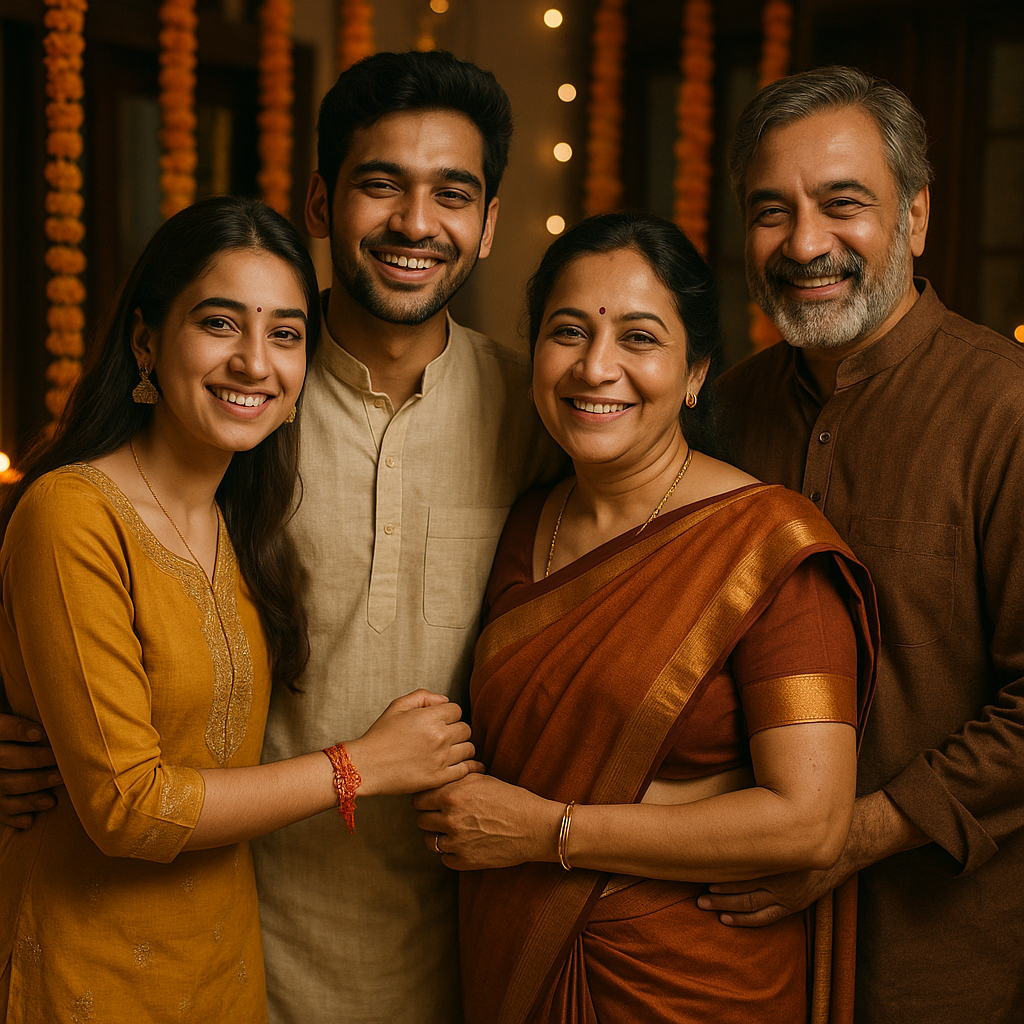
Raksha Bandhan 2026 is one of India’s most loved festivals, honoring the bond of care, trust, and mutual responsibility between siblings and, increasingly, between all those who promise support and protection. Observed around 29 August 2026, the festival combines emotion, ritual, family gatherings, sweets, and symbolism in a way few celebrations do. Whether you are learning about Rakhi for the first time or planning a meaningful observance, this guide explains its history, significance, customs, regional variations, foods, and practical ways to celebrate with warmth and respect.
When is Raksha Bandhan 2026?
Raksha Bandhan 2026 is expected to be observed around 29 August 2026, subject to the lunar calendar and local muhurat calculations. The festival is celebrated on the full moon day (Purnima) in the Hindu month of Shravan. Because many Hindu festivals follow a lunisolar calendar, exact ritual timings can vary by region and tradition.
Families often check a local panchang or temple notice for the most auspicious time to tie the rakhi. If you want broader background on the cultural calendar, see Wikipedia’s overview of Raksha Bandhan and local religious almanacs for city-specific timings.
What is Raksha Bandhan?
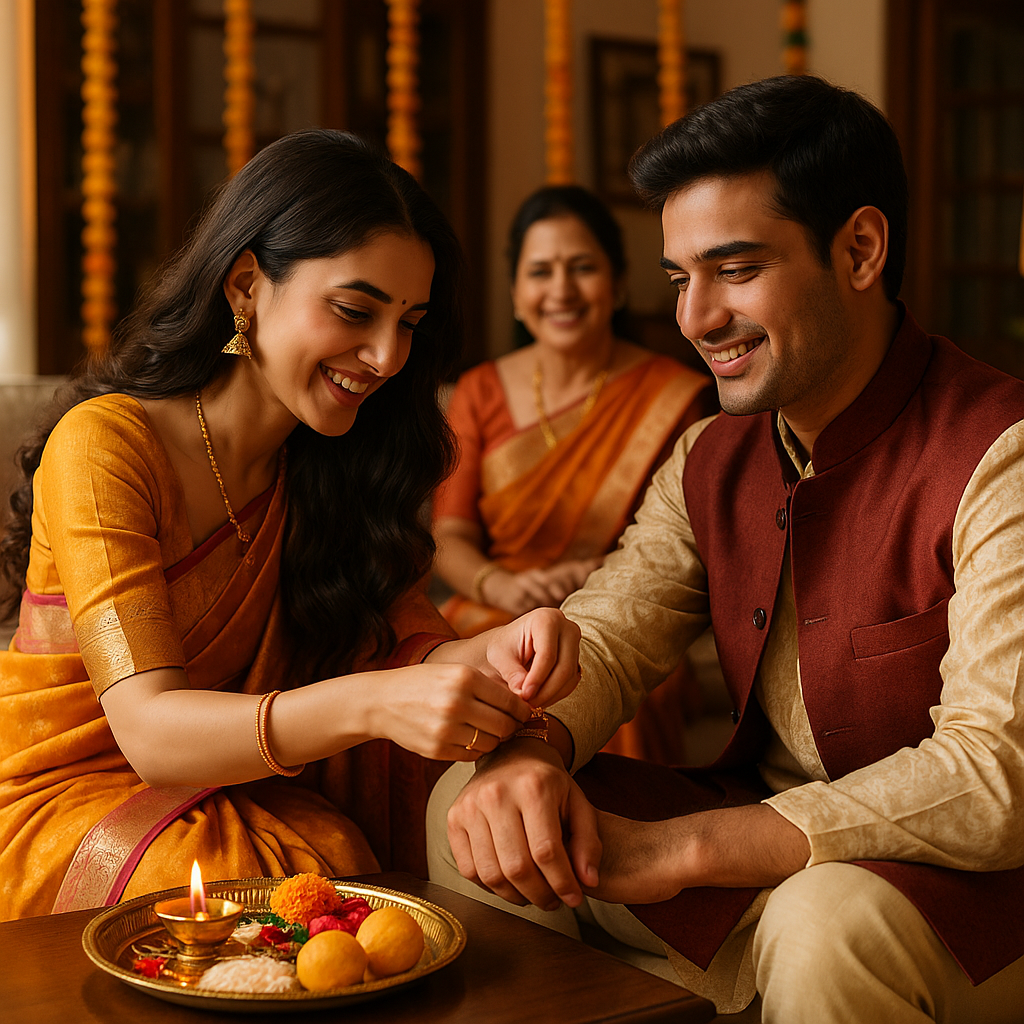
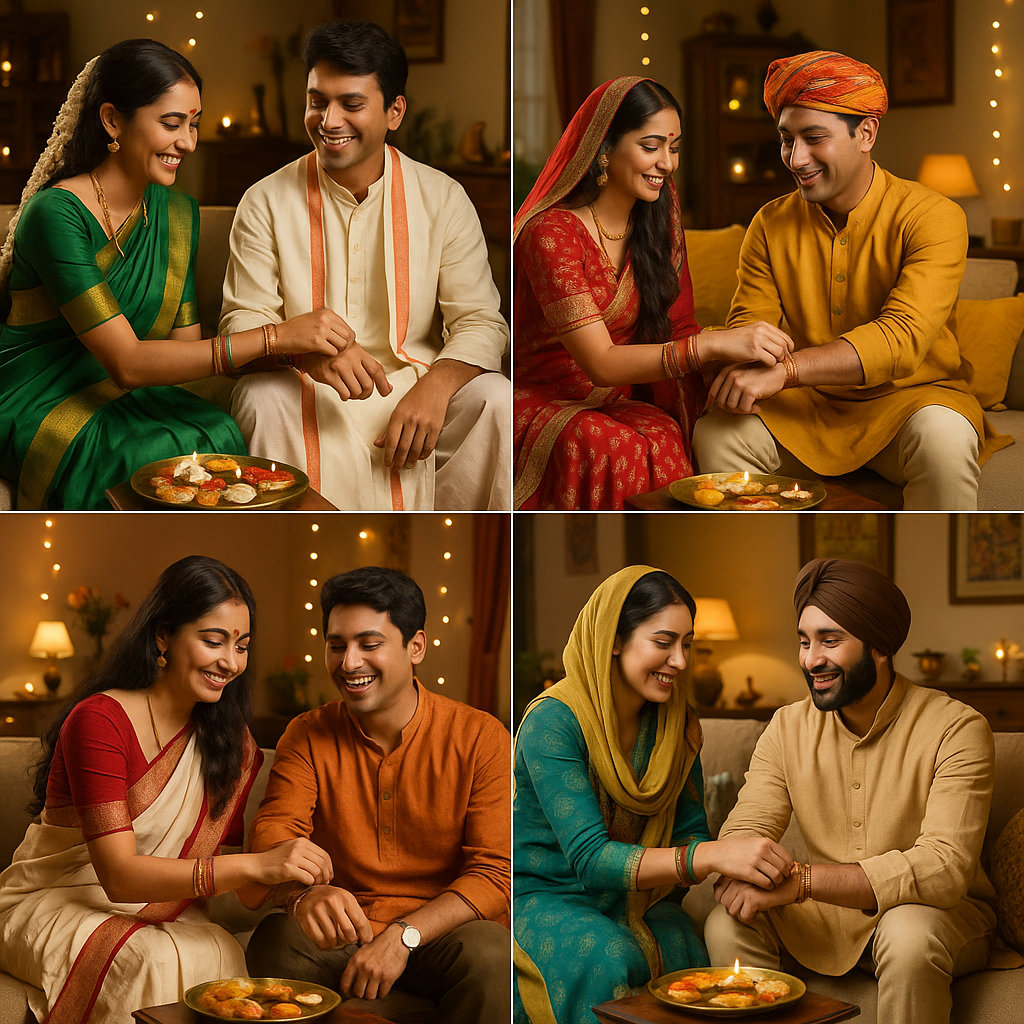
Raksha Bandhan, often called Rakhi, is a festival centered on a sacred thread tied around the wrist. Traditionally, a sister ties a rakhi on her brother’s wrist, prays for his well-being, and receives a promise of lifelong support. In return, the brother offers blessings, gifts, and a pledge to protect and stand by her.
Today, the meaning of the festival has expanded. Many families celebrate it as a bond between siblings regardless of gender. Cousins, sisters, brothers, close friends, and even soldiers or mentors may exchange rakhi as a symbol of care, goodwill, and duty. The thread itself represents more than protection in a physical sense; it reflects emotional solidarity, kinship, gratitude, and ethical responsibility.
At its heart, Raksha Bandhan is not just about one person protecting another. It is about relationships strengthened by trust, respect, affection, and presence.
History and Origin of Raksha Bandhan
The origins of Raksha Bandhan are layered, drawing from mythology, folklore, and historical memory. Like many traditional festivals, it evolved over centuries rather than beginning from a single source.
Mythological associations
Several narratives are linked with the festival:
- Indra and Indrani: One ancient account associates a protective thread with Indra’s battle against evil forces. Indrani is said to have tied a sacred thread for protection, highlighting the spiritual power of ritual intention.
- Krishna and Draupadi: In a popular retelling, Draupadi tied a strip of cloth around Krishna’s wounded finger. Krishna, in turn, promised protection. Though this story is not the sole origin of the festival, it strongly influences its emotional symbolism.
- Yama and Yamuna: Another story tells of Yamuna tying a thread to Yama, the god of death, who granted her immortality or enduring remembrance. This reinforces the idea of blessed sibling devotion.
Historical and cultural narratives
Over time, rakhi also became a broader social symbol. In parts of India, women tied rakhi to kings, warriors, or community protectors, asking for safety and honorable conduct. One often-cited story links Rani Karnavati and the Mughal emperor Humayun, though historians debate the factual accuracy and later romanticization of this account. Even so, the tale reflects how rakhi entered the public imagination as a bond capable of crossing political and social boundaries.
In the modern era, reformers and writers also used Raksha Bandhan to express social unity. Rabindranath Tagore notably invoked it as a symbol of communal harmony during the anti-partition movement in Bengal. In this context, the thread represented solidarity beyond blood ties.
For a broader overview of Hindu festivals and their calendar context, readers may also find Encyclopaedia Britannica’s entry useful.
The Meaning and Significance of Raksha Bandhan
The literal meaning of Raksha Bandhan is often understood as “the bond of protection.” Yet the festival’s significance extends much further than a simple promise of defense.
1. A celebration of sibling love
The most visible meaning of the festival is the affection between siblings. The ritual creates a formal, tender moment in which love is expressed through actions: tying the rakhi, exchanging sweets, offering gifts, and sharing blessings.
2. A reminder of duty and reciprocity
Raksha Bandhan is not one-sided. While tradition often frames the brother as protector, contemporary families increasingly see protection as mutual. Sisters support brothers, younger siblings support elders, and emotional care flows both ways. The festival can be read as a reminder that meaningful relationships require presence, loyalty, and effort.
3. A sacred thread with spiritual symbolism
The rakhi thread is simple, but its symbolism is profound. It stands for prayer, intention, purity, and connection. In many homes, the act of tying it is accompanied by a small puja, invoking divine grace for health, prosperity, and peace.
4. A social bond beyond family
In schools, neighborhoods, military camps, and community groups, rakhi is sometimes tied as a gesture of goodwill. This broadens the festival’s meaning into a social ethic: protect one another, value relationships, and preserve trust.
Traditional Raksha Bandhan Rituals
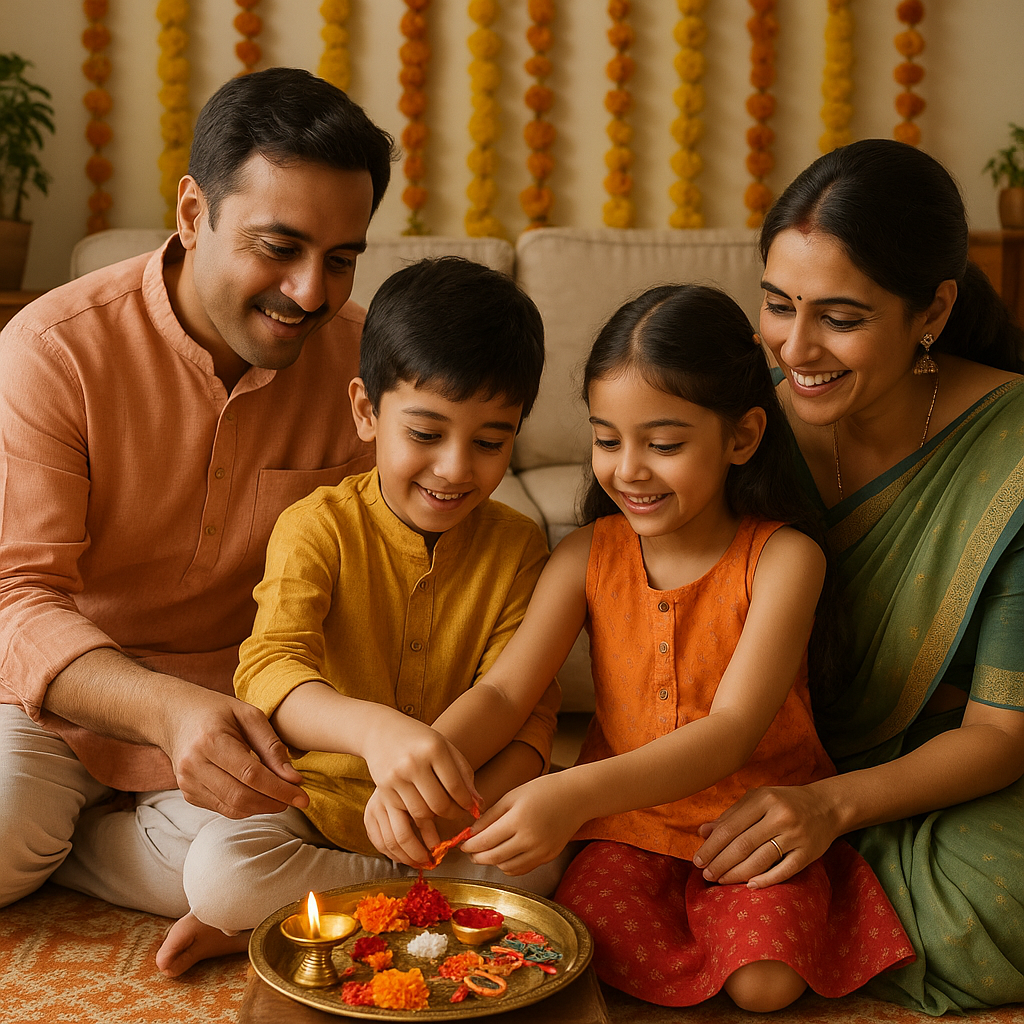
Although customs differ from home to home, a typical Raksha Bandhan ceremony follows a familiar pattern. The ritual is often intimate, family-centered, and deeply emotional.
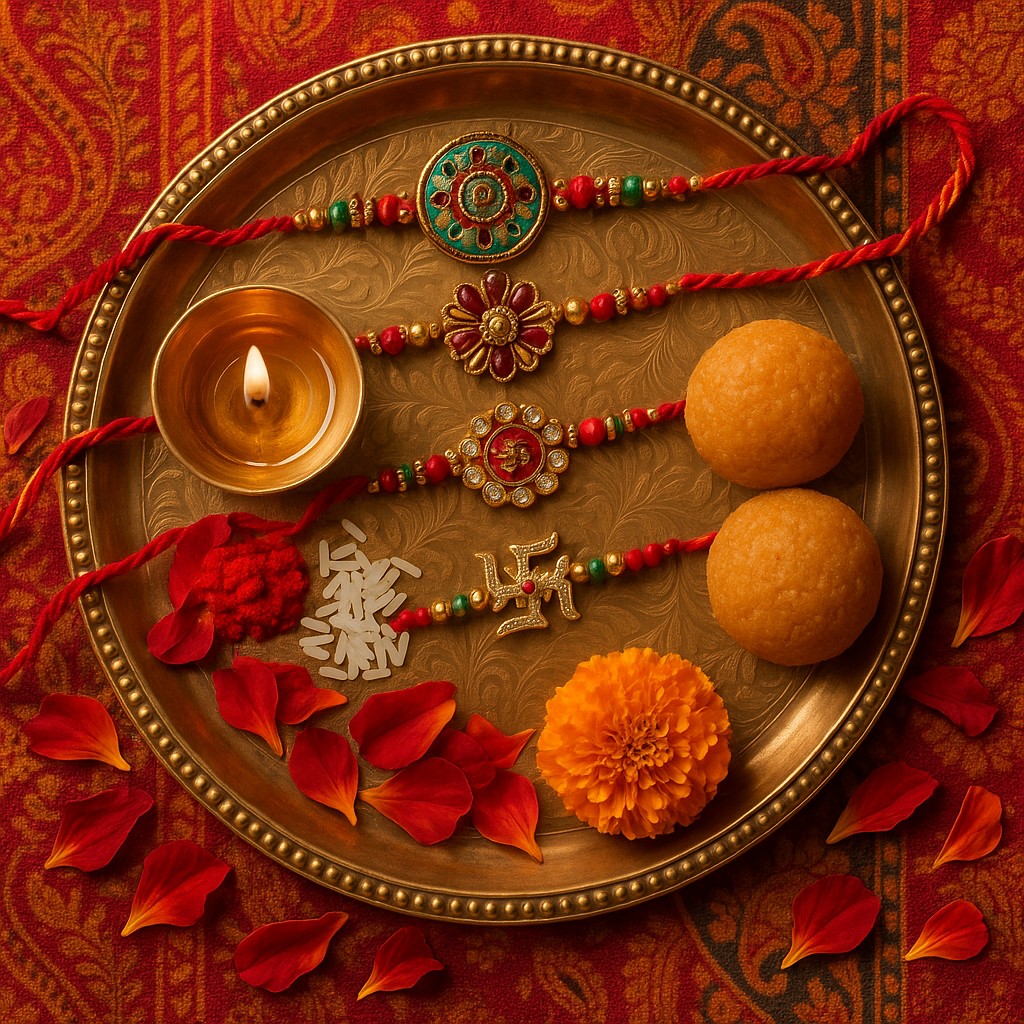
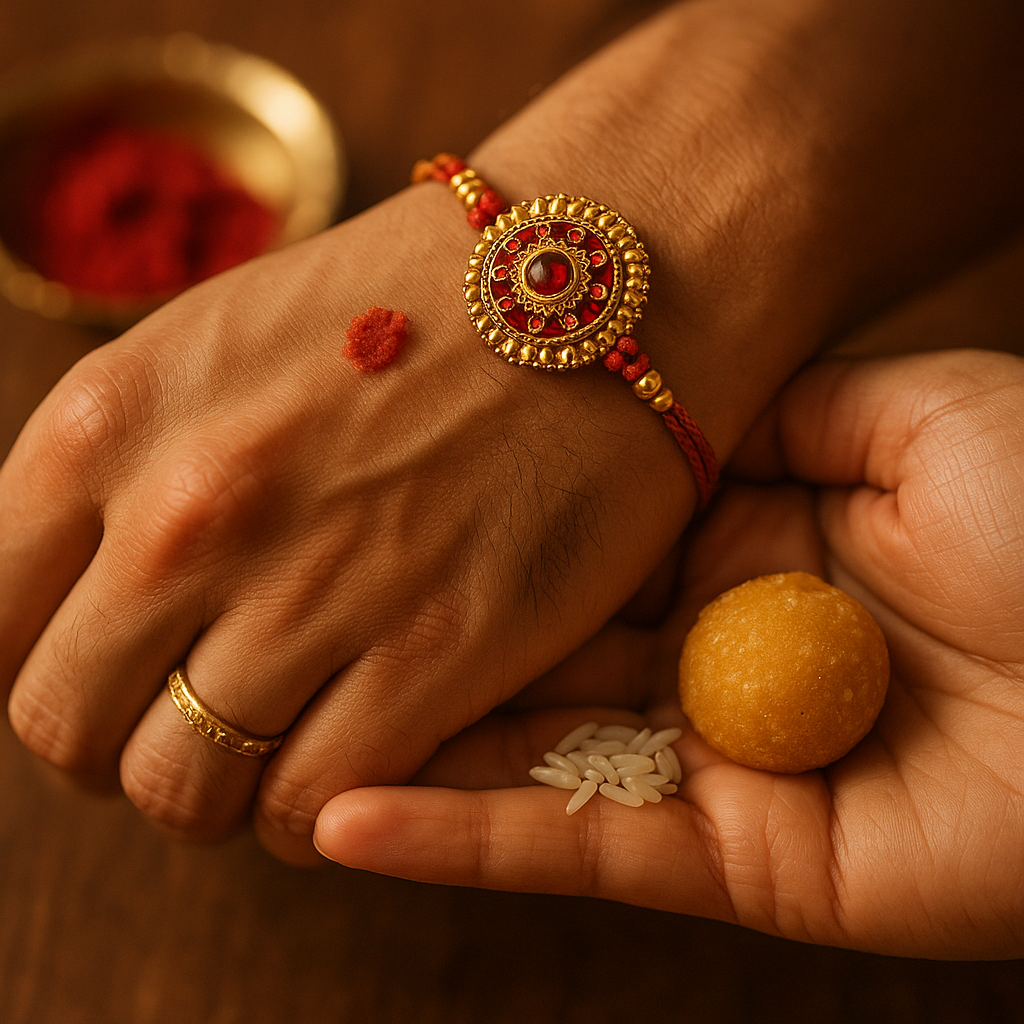
Common items used in the ceremony
- Decorated rakhi thread
- Roli or kumkum for tilak
- Rice grains (akshat)
- Diya or lamp
- Sweets such as laddoo, barfi, or kaju katli
- Small gifts or envelopes
- Thali arranged with festive decorations
Step-by-step Rakhi ceremony
- Preparation of the thali: A plate is arranged with the rakhi, tilak, rice, diya, sweets, and sometimes flowers.
- Family gathering: Siblings gather, often wearing festive or traditional clothes.
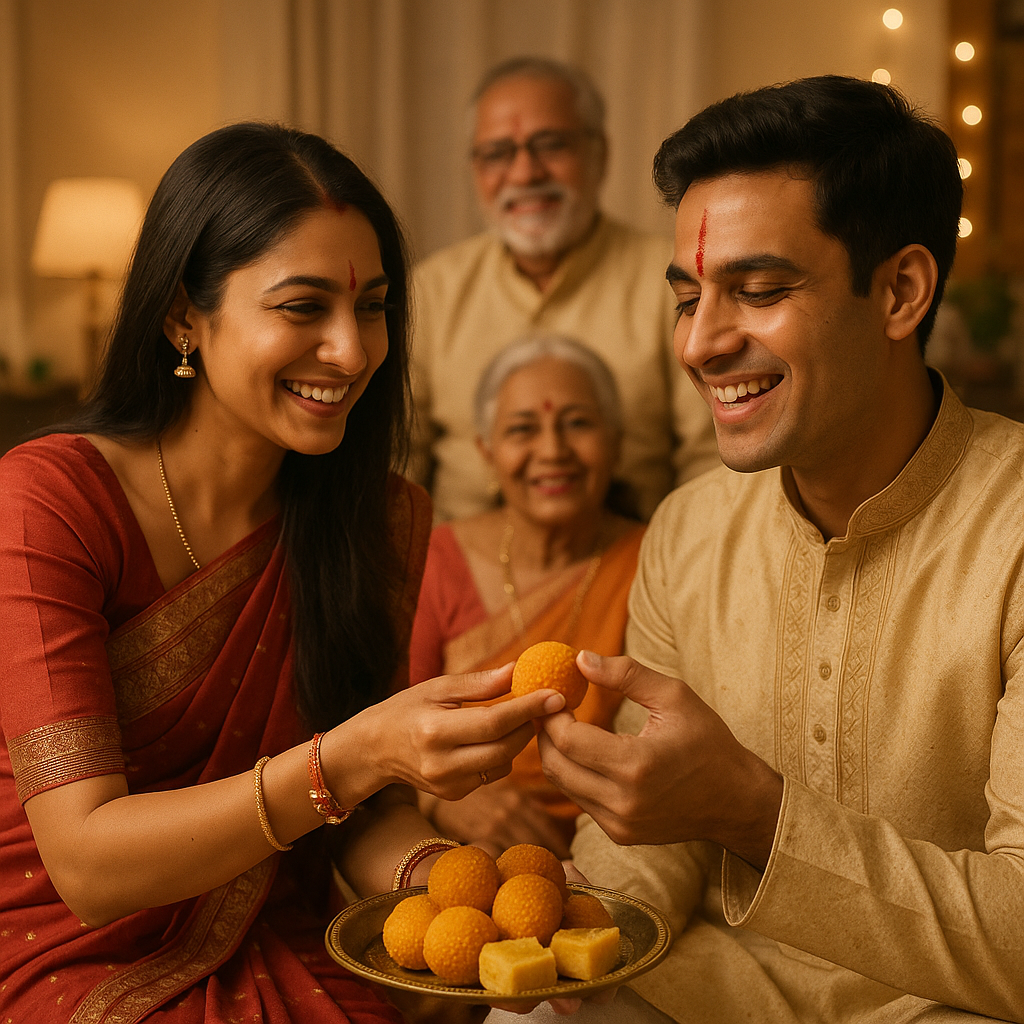
- Tilak: The sister applies a tilak on the brother’s forehead.
- Aarti: In many homes, she performs aarti for his well-being.
- Tying the rakhi: The rakhi is tied around the wrist while prayers or blessings are spoken.
- Offering sweets: Sweets are fed to one another as a sign of joy and auspiciousness.
- Gift exchange: The brother presents a gift and expresses his blessings or promise of support.
Today, many families adapt these steps in inclusive ways. Sisters may tie rakhi to sisters, brothers to brothers, children to grandparents, or friends to one another, depending on family values and local custom.
If you enjoy learning how family-centered festivals are prepared at home, you might also like Diwali decoration ideas and Janmashtami puja at home.
Regional Variations Across India
One of the most fascinating aspects of Raksha Bandhan is how it changes across regions while keeping its emotional core intact.
North India
In many northern states, Raksha Bandhan is celebrated with full family gatherings, new clothes, sweets, and elaborate thalis. Sisters often travel to their parental homes if married, and the day can feel like a reunion as much as a ritual.
Western India
In Maharashtra and surrounding regions, the full moon of Shravan also coincides with Narali Purnima, especially among fishing communities. Offerings of coconut are made to the sea, and prayers are offered for safety and prosperity. This creates a layered festival day with both familial and occupational significance.
Rajasthan
Rajasthani traditions may include distinctive forms of rakhi and family customs tied to clan and community identity. Decorative rakhis, ceremonial dress, and rich sweets are common features of the celebration.
Gujarat
In Gujarat, Raksha Bandhan may overlap with temple visits and devotional observances linked to Shravan Purnima. Families often combine the sibling ritual with broader household worship.
Bengal and eastern India
In Bengal, the symbolic use of rakhi as a sign of social harmony has had a strong cultural resonance. While the sibling-focused celebration remains central, the idea of unity also has historical depth.
South India
In some southern traditions, the same day is associated with Avani Avittam or Upakarma, especially among certain Brahmin communities, where sacred thread renewal takes place. Though distinct from sibling Rakhi customs, the date carries shared ritual importance on the lunar calendar.
Raksha Bandhan 2026 at a Glance
| Aspect | Details |
|---|---|
| Festival name | Raksha Bandhan / Rakhi |
| Expected date | Around 29 August 2026 |
| Lunar occasion | Shravan Purnima |
| Main theme | Bond of protection, affection, and responsibility |
| Primary ritual | Tying rakhi, applying tilak, offering sweets, exchanging gifts |
| Common foods | Laddoo, barfi, kheer, puri, festive thali dishes |
| Modern observance | In-person visits, couriered rakhis, video calls, eco-friendly celebrations |
Festive Foods and Sweets for Raksha Bandhan
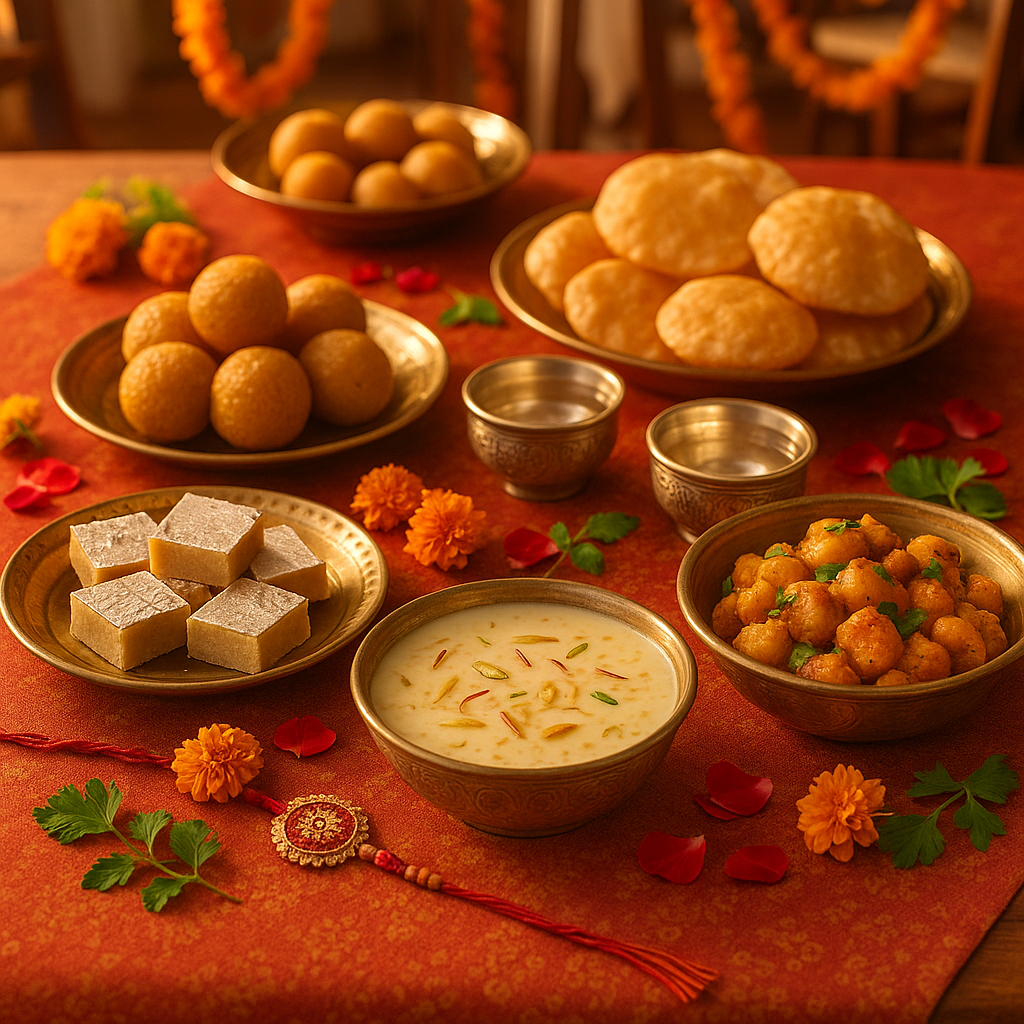
No Indian festival feels complete without food, and Raksha Bandhan is no exception. The menu may be simple or elaborate depending on the family, but sweets almost always take center stage.
Popular sweets
- Laddoo: Besan laddoo, motichoor laddoo, and boondi laddoo are festive favorites.
- Barfi: Kaju barfi, coconut barfi, and milk barfi are elegant choices for gifting.
- Rasgulla and gulab jamun: Soft, syrupy sweets often appear in celebratory family meals.
- Kheer: Rice pudding flavored with cardamom, saffron, and nuts is a classic home-style dessert.
Common meal ideas
Families may prepare puri, aloo sabzi, pulao, paneer dishes, dal, seasonal vegetables, chutneys, and festive desserts. In some households, the meal is tailored around a sibling’s favorite dishes, making the celebration feel especially personal.
Giftable food traditions
Boxes of sweets, dry fruits, chocolates, and homemade snacks are commonly exchanged. In recent years, many families have added healthier or customized options such as millet sweets, sugar-free mithai, artisanal chocolates, and regional specialty hampers.
How Raksha Bandhan is Celebrated in Modern Times
While the emotional core of the festival remains traditional, modern observance has become more flexible and inclusive.
Long-distance celebrations
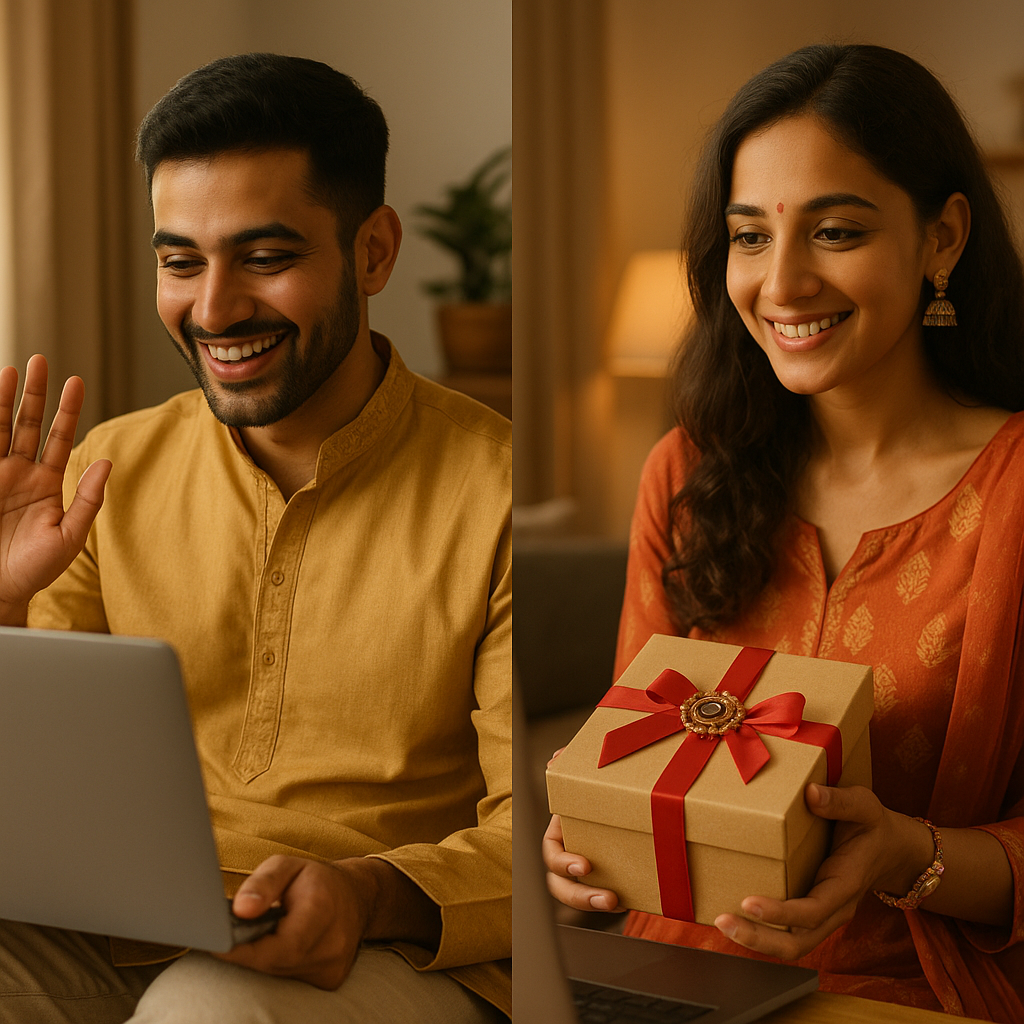
Migration, study, and work often separate siblings across cities or countries. As a result, couriered rakhis, digital gift cards, handwritten notes, and video-call ceremonies have become common. Many families schedule an online puja so no one feels left out.
Inclusive celebration styles
Contemporary families increasingly celebrate Raksha Bandhan in ways that reflect equality and mutual care. Siblings may tie rakhi to one another reciprocally. Single-child households may celebrate with cousins or chosen family. Some communities tie rakhi to soldiers, teachers, or frontline workers as a gesture of gratitude.
Eco-friendly Rakhi trends
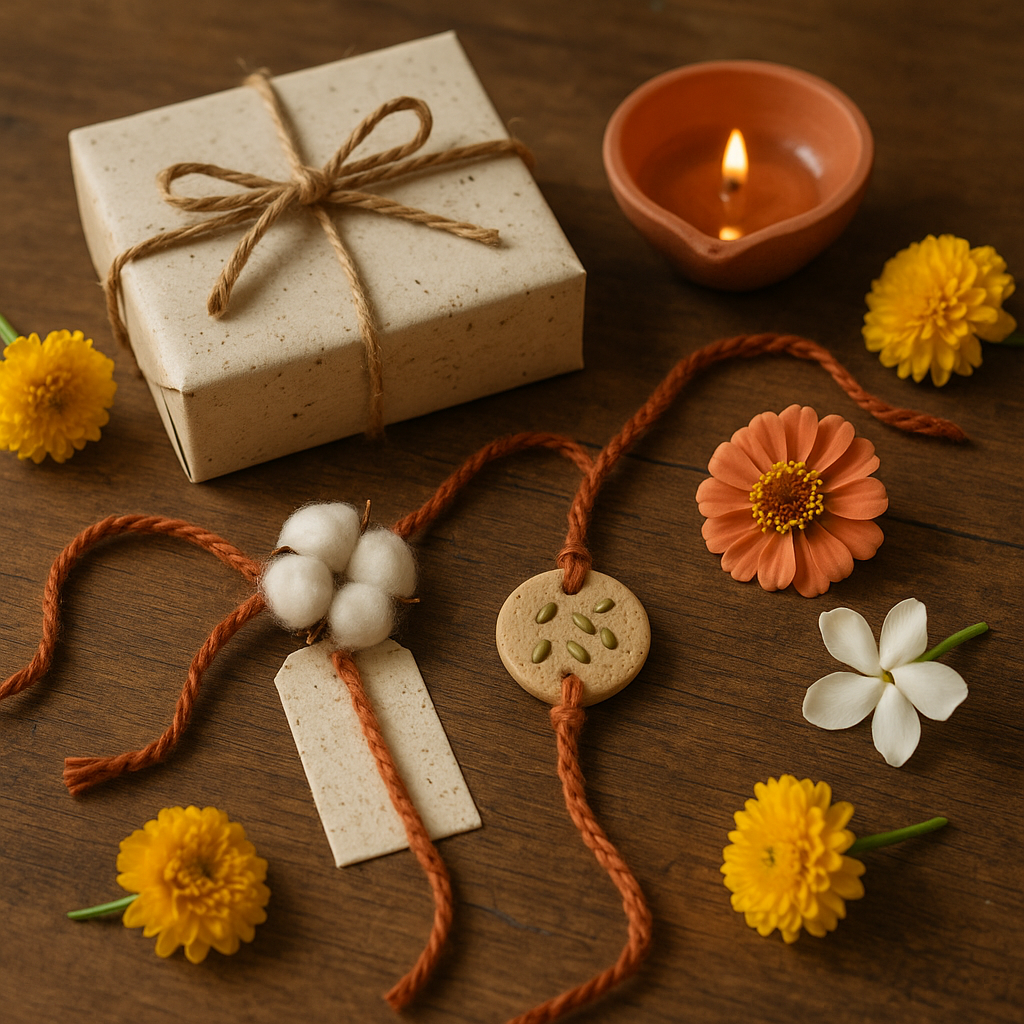
Sustainability has also influenced the festival. Seed rakhis, handmade cotton threads, reusable thalis, fabric wrapping, and low-waste gifting are gaining popularity. These choices preserve the festival’s spirit while reducing excess packaging and synthetic materials.
For broader cultural travel inspiration around Indian celebrations, see the official Incredible India tourism portal.
Practical Tips to Celebrate Raksha Bandhan 2026 Meaningfully
If you want your celebration to feel thoughtful rather than routine, a little planning helps.
- Check the date and muhurat locally: Festival timings can vary by location and family tradition.
- Choose a rakhi with intention: Handmade, traditional, minimalist, or eco-friendly designs can make the gesture more personal.
- Prepare a simple but beautiful thali: Even a small arrangement with diya, tilak, sweets, and flowers can feel special.
- Add a personal note: A handwritten message often means more than an expensive gift.
- Plan for distant siblings early: Mail delays are common during festival seasons, so send rakhi and gifts in advance.
- Respect dietary needs: Include sugar-free, vegan, or allergy-friendly sweets if needed.
- Capture memories thoughtfully: Family photos are wonderful, but keep the ritual itself calm and present.
Raksha Bandhan Gift Ideas
Gift-giving is not the essence of the festival, but it is a beloved part of the day. The best gifts feel personal, useful, and affectionate.
Classic options
- Clothing or accessories
- Books or journals
- Sweet boxes or gourmet hampers
- Cash envelopes or gift cards
- Watches, wallets, or jewelry
Thoughtful modern ideas
- Customized photo frames or scrapbooks
- Subscription boxes
- Wellness kits
- Experience gifts such as dinner, travel, or workshops
- Charitable donations made in a sibling’s name
If your family enjoys making festivals more intentional, you may also like festival gift ideas for other celebrations throughout the year.
Raksha Bandhan for Children: Teaching Values Through Tradition
For children, Raksha Bandhan is colorful and exciting, but it also offers valuable lessons. Parents and grandparents often use the festival to teach respect, gratitude, family responsibility, and the importance of showing affection openly.
Simple ways to involve children include:
- Letting them help decorate the thali
- Teaching them how to tie a rakhi gently and respectfully
- Explaining the stories behind the festival in age-appropriate language
- Encouraging homemade cards instead of only store-bought gifts
- Discussing how “protection” can mean kindness, honesty, and support
This approach makes the festival feel alive rather than purely ceremonial.
Cultural Etiquette and Respectful Celebration
Because Raksha Bandhan is emotionally important and religiously meaningful to many families, respectful observance matters.
Keep these points in mind
- Do not treat the ritual as a costume event or novelty prop.
- Ask about family customs rather than assuming one universal method.
- Dress modestly if attending a traditional home or temple gathering.
- Be mindful that not every family emphasizes gender roles in the same way.
- Understand that gifts are optional; sincerity is not.
As with many festivals, the strongest celebrations are often the most genuine: a clean space, a respectful ritual, shared food, and warm conversation.
Frequently Asked Questions
What is the date of Raksha Bandhan 2026?
Raksha Bandhan 2026 is expected around 29 August 2026, though exact observance and auspicious timings may vary by location and panchang.
Why is Raksha Bandhan celebrated?
It is celebrated to honor the bond of affection, responsibility, and protection between siblings and loved ones. The ritual centers on tying a rakhi and exchanging blessings, sweets, and gifts.
Is Raksha Bandhan only for brothers and sisters?
No. While that is the most familiar form, many people celebrate with cousins, sisters, brothers, friends, mentors, or chosen family. In modern practice, the festival often symbolizes mutual support rather than a fixed one-way role.
What do you need for a Raksha Bandhan puja?
A basic thali usually includes a rakhi, kumkum or roli, rice grains, a diya, sweets, and sometimes flowers or incense. Families may add items according to personal tradition.
What foods are commonly eaten on Raksha Bandhan?
Popular foods include laddoo, barfi, kheer, puri, aloo sabzi, paneer dishes, and festive homemade meals. The menu often reflects regional preferences and family favorites.
Can Raksha Bandhan be celebrated online?
Yes. Many families celebrate through video calls, digital gift sharing, and couriered rakhis when siblings live far apart. The emotional meaning of the festival can still be beautifully preserved.
What is an eco-friendly rakhi?
An eco-friendly rakhi is made from sustainable or biodegradable materials such as cotton, jute, paper, seeds, or natural fibers instead of plastic-heavy decorative elements.
Sample Raksha Bandhan 2026 Celebration Plan
If you are organizing the day at home, this simple structure works well:
- Confirm local timing for the ritual.
- Buy or make the rakhi and gather puja items one or two days early.
- Prepare sweets and a favorite family meal.
- Decorate a small area for the ceremony.
- Dress in festive clothing and gather everyone on time.
- Perform tilak, aarti, rakhi tying, sweets exchange, and blessings.
- Share gifts, family stories, and a meal together.
- Call relatives who cannot attend in person.
This balance of ritual and togetherness keeps the day organized without making it feel rigid.
Conclusion
Raksha Bandhan 2026 is much more than a thread-tying ceremony. It is a living cultural tradition that celebrates family affection, emotional responsibility, and the promise to stand by one another through changing times. Its stories connect mythology, devotion, social unity, and household warmth; its rituals are simple but full of meaning; and its modern forms show how tradition can evolve while staying true to its heart.
Whether you celebrate with a grand family gathering, a quiet home puja, a couriered rakhi across continents, or a simple phone call filled with affection, the essence remains the same: relationships deserve care, and love becomes strongest when expressed with intention. In that sense, Raksha Bandhan continues to be timeless—personal, sacred, and deeply human.