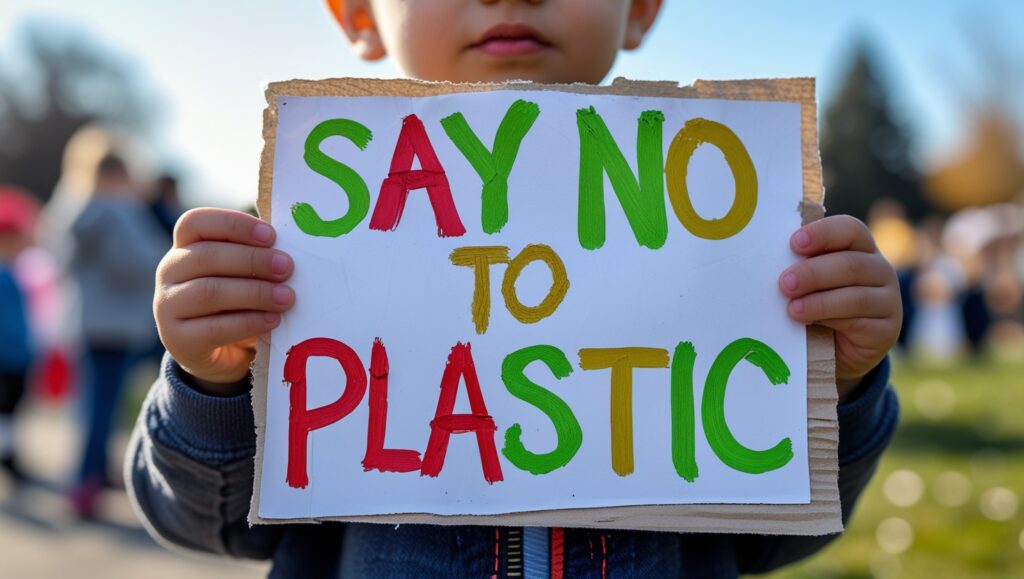
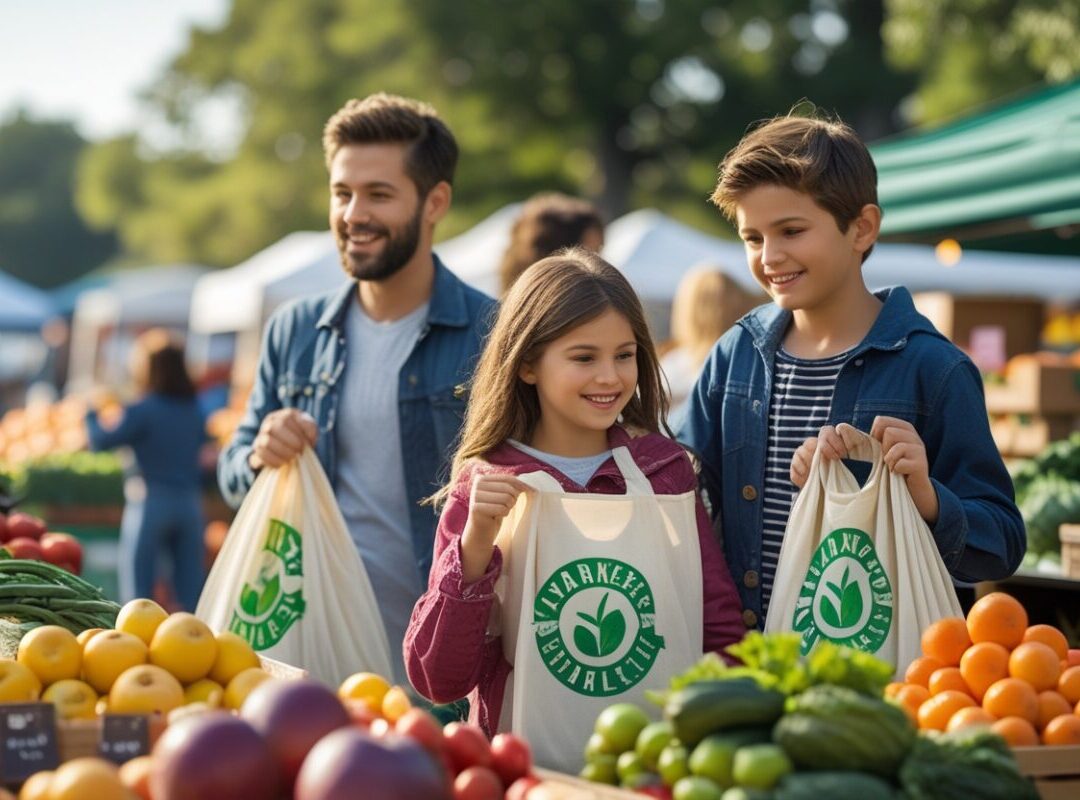
July 3 marks an important day on the environmental calendar: Plastic Bag Free Day. This day serves as a global movement to raise awareness about the harmful effects of plastic bags on our environment and encourages individuals to make a conscious effort to reduce their plastic waste. In celebration of this day, we have compiled a collection of inspiring quotes that not only highlight the significance of reducing our reliance on plastic bags but also motivate action towards sustainable living.
These quotes come from various environmental activists, thought leaders, and everyday individuals who share a common goal: to create a healthier planet for future generations. Whether you are looking to share these quotes on social media, use them in educational materials, or simply reflect on their message, they serve as powerful reminders of our collective responsibility towards the environment.
The Importance of Plastic Bag Free Day
Plastic Bag Free Day is more than just a date on the calendar; it’s a call to action for individuals, businesses, and governments around the world. Each year, millions of plastic bags are used, and a significant number end up in landfills, oceans, and other natural habitats, causing harm to wildlife and ecosystems. By participating in Plastic Bag Free Day, individuals can make a significant impact on reducing plastic waste.
Environmental Impact of Plastic Bags
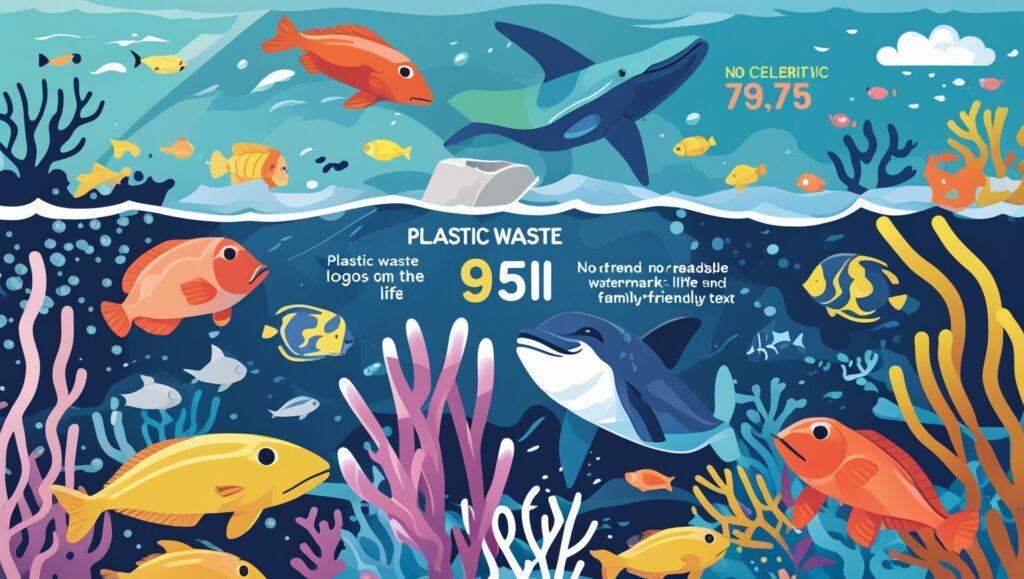
The environmental impact of plastic bags is profound. These bags often take hundreds of years to decompose, releasing harmful toxins into the soil and water as they break down. Marine animals are particularly at risk, as they can mistake plastic bags for food, leading to ingestion and, ultimately, death. The World Economic Forum estimates that there will be more plastic than fish in our oceans by 2050 if current trends continue. This alarming statistic highlights the urgency of reducing our reliance on single-use plastics.
- Waste Management Challenges: Plastic bags pose a significant challenge to waste management systems, often clogging recycling machinery and causing delays.
- Wildlife Harm: Animals can become entangled in plastic bags, leading to injury or death.
- Resource Consumption: The production of plastic bags consumes natural resources, including oil and natural gas, contributing to greenhouse gas emissions.
Global Statistics on Plastic Use
To fully grasp the gravity of plastic pollution, consider these statistics:
- Over 1 trillion plastic bags are used worldwide each year.
- Only about 9% of plastic waste is ever recycled.
- It is estimated that 100,000 marine animals die each year due to plastic waste.
Inspirational Quotes to Promote Change
Quotes have the power to inspire and motivate. Below are some compelling quotes that resonate with the message of Plastic Bag Free Day, promoting a shift towards eco-friendly practices and a reduction in plastic waste.
Collective Action and Responsibility
One of the core themes of these quotes is the idea of collective action. It emphasizes that every small effort counts and encourages individuals to take responsibility for their actions. Here are some notable quotes:
“We won’t have a society if we destroy the environment.” – Margaret Mead
“The greatest threat to our planet is the belief that someone else will save it.” – Robert Swan
These quotes remind us that each person’s contribution is essential in the fight against plastic pollution.
Empowerment Through Quotes
Quotes can serve as daily reminders to stay committed. Consider placing them in visible areas, such as:
- Your workspace or home office
- Classroom bulletin boards
- Community centers or local libraries
Quotes by Environmental Activists
Many environmental activists have dedicated their lives to advocating for sustainability and the reduction of plastic use. Their words inspire us to take bold steps towards a cleaner future.
Voices of Change
Here are powerful quotes from notable environmental activists:
“The Earth does not belong to us: we belong to the Earth.” – Marlee Matlin
“What we are doing to the forests of the world is but a mirror reflection of what we are doing to ourselves and to one another.” – Mahatma Gandhi
These quotes not only reflect the urgency of the situation but also instill hope for a collective effort in bringing about change.
Activists Making a Difference
Some activists leading the charge against plastic pollution include:
- Greta Thunberg: Advocating for immediate action on climate change.
- David Attenborough: Raising awareness through documentaries.
- Jane Goodall: Promoting sustainable practices and conservation.
Quotes from Everyday People
While environmental leaders have a significant voice, everyday individuals also play a crucial role in the movement against plastic pollution. Here are some quotes that echo the sentiments of common people taking a stand:
Grassroots Perspectives
“Every little bit helps! If we all did our part, we could change the world.” – Sarah, Local Activist
“I refuse to be part of the problem when I can be part of the solution.” – John, Community Member
Such sentiments reflect a growing awareness and commitment to making a difference in our communities.
Community Initiatives
Everyday efforts can lead to grassroots movements. Examples include:
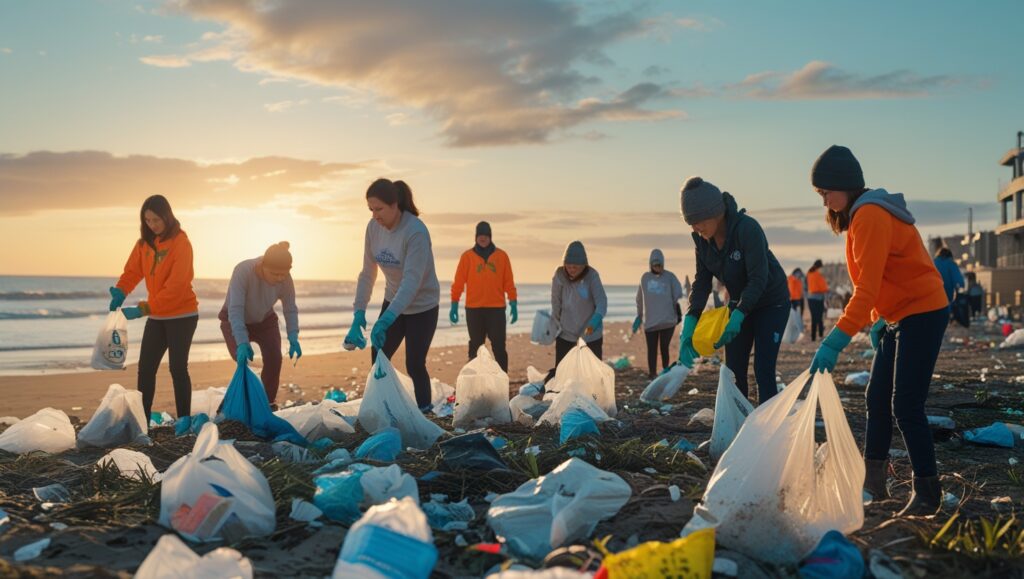
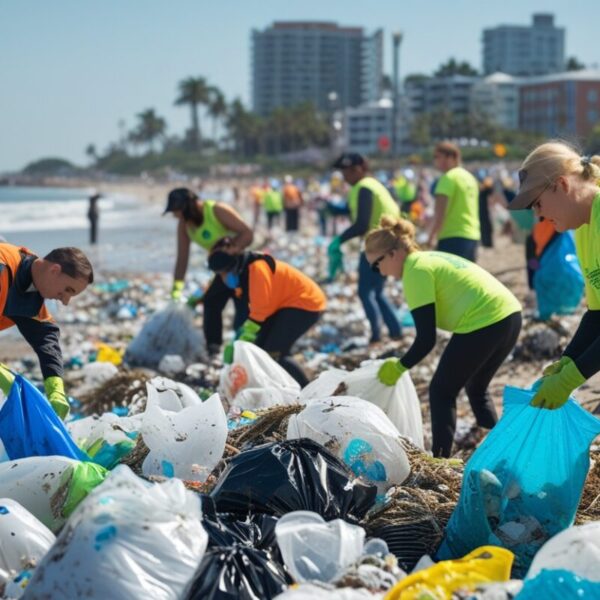
- Community clean-ups organized through social media.
- Local campaigns encouraging businesses to adopt eco-friendly practices.
- Neighborhood workshops focusing on sustainable living.
The Role of Education in Reducing Plastic Use
Education plays a vital role in raising awareness about the detrimental impact of plastic bags. By informing ourselves and others, we can foster a culture of sustainability.
Empowering the Next Generation
One of the most effective ways to combat plastic pollution is through education. Schools and community programs can help instill values of environmental stewardship in young people:
- Curriculum Integration: Integrating lessons about the environment and sustainability into school curriculums can empower students to take action.
- Community Workshops: Organizing local workshops that promote reusable alternatives can engage community members.
- Social Media Campaigns: Utilizing social platforms to share information and tips can amplify the message.
Resources for Educators
Educators can access numerous resources to promote environmental awareness, including:
- Online platforms offering free educational materials.
- Local environmental organizations providing guest speakers.
- Grants for schools implementing sustainability projects.
Policies and Regulations on Plastic Use
Governments around the world are beginning to implement policies aimed at reducing plastic waste. Regulations can play a significant role in curbing plastic bag usage.
Legislative Actions
Countries such as Rwanda and Kenya have made headlines for their strict bans on plastic bags. Here are some examples of effective policies:
| Country | Policy | Impact |
|---|---|---|
| Rwanda | Complete ban on plastic bags | Significant reduction in plastic pollution |
| Kenya | Heavy fines for plastic bag usage | Decreased plastic bag consumption |
| California, USA | Statewide ban on single-use plastic bags | Increased use of reusable bags |
These examples illustrate how legislative action can lead to meaningful change.
Future Regulations
Continued advocacy for even stricter regulations could include:
- Enhanced monitoring of plastic production and sales.
- Incentives for businesses adopting sustainable practices.
- Public campaigns to educate consumers about alternatives.
The Impact of Social Media on Environmental Awareness
Social media platforms have become powerful tools for raising awareness about environmental issues, including the challenges posed by plastic bags.
Digital Activism
Hashtags like #PlasticBagFreeDay and #SayNoToPlastic have gained traction, helping to spread the message globally:
- Community Engagement: Online platforms allow individuals to share their stories and initiatives, fostering a sense of community.
- Viral Campaigns: Creative campaigns can go viral, reaching audiences far beyond local communities.
- Information Sharing: Social media serves as a quick way to disseminate facts and tips on reducing plastic use.
Case Studies of Successful Campaigns
Successful digital campaigns that have driven change include:
- The #BeatPlasticPollution campaign during World Environment Day.
- Local initiatives using Instagram to promote reusable bags.
- Viral videos showcasing the impact of plastic pollution on wildlife.
How to Participate in Plastic Bag Free Day
Participating in Plastic Bag Free Day is simple and can be done by anyone, anywhere. Here are some actionable steps:
Simple Steps to Get Involved
Here are several ways you can contribute to the cause:
- Go Bagless: Try to go a day without using plastic bags.
- Use Reusable Bags: Switch to eco-friendly alternatives.
- Spread the Word: Share quotes and information about Plastic Bag Free Day on social media.
- Organize Local Events: Host clean-up drives or workshops in your community.
Community Projects
Consider initiating community projects such as:
- Setting up a community swap day for reusable bags.
- Creating a local pledge to reduce plastic usage.
- Collaborating with local businesses to offer discounts for using reusable bags.
The Future of Plastic Use and Sustainability
As we look to the future, it is crucial to envision a world where plastic use is minimized and sustainable practices are the norm.
Envisioning Change
Changing the narrative around plastic use requires collective efforts from individuals, businesses, and governments. Here are some key factors:
- Innovations in Materials: Development of biodegradable and sustainable alternatives can reduce plastic dependency.
- Corporate Responsibility: Companies must take accountability for their role in plastic production and invest in sustainable practices.
- Community Awareness: Continuous education and advocacy are necessary to maintain momentum in the fight against plastic pollution.
Goals for a Plastic-Free Future
To achieve a more sustainable future, we can aim for:
- Reduction of single-use plastics by 50% by 2030.
- Increased awareness campaigns focusing on sustainability.
- Collaboration between governments and businesses to innovate cleaner production methods.
Conclusion
Plastic Bag Free Day serves as a vital reminder of our responsibility to protect the planet from plastic pollution. The quotes shared throughout this article highlight the urgent need for collective action and inspire us to adopt sustainable practices in our daily lives. As we move forward, let’s commit to reducing our plastic use, spreading awareness, and supporting policies that protect our environment. Together, we can create a plastic-free future.
Frequently Asked Questions
What is Plastic Bag Free Day?
Plastic Bag Free Day is an initiative aimed at raising awareness about the environmental impacts of plastic bags and promoting alternatives.
When is Plastic Bag Free Day celebrated?
Plastic Bag Free Day is celebrated on July 3 each year.
How can I participate in Plastic Bag Free Day?
You can participate by using reusable bags, spreading awareness, and organizing community events.
Why are plastic bags harmful to the environment?
Plastic bags take hundreds of years to decompose and can harm wildlife and ecosystems.
What are some alternatives to plastic bags?
Alternatives include reusable cloth bags, jute bags, or biodegradable options.
How can I educate others about the importance of reducing plastic use?
You can organize community workshops, share information on social media, or create educational materials for schools.
What impact do bans on plastic bags have?
Bans on plastic bags can lead to significant reductions in plastic waste and encourage the use of sustainable alternatives.