Obon 2026 will once again bring Japan into one of its most reflective and visually beautiful summer seasons, when families welcome ancestral spirits, visit graves, light lanterns, and gather for joyful community dances. Known simply as Obon or Bon, this annual Buddhist-influenced festival blends remembrance, gratitude, family reunion, and local celebration. For travelers, it is a chance to witness living tradition; for families in Japan, it is a deeply personal time rooted in memory and respect.
Although many people think of Obon as a single fixed holiday, the reality is more nuanced. Dates can vary by region and calendar tradition, but the most widely observed period in modern Japan falls around mid-August, especially from August 13 to August 16. In 2026, that means much of the country will mark Obon around Thursday, August 13, through Sunday, August 16, though some communities observe in July or on other local schedules.
This guide explains what Obon means, where it comes from, how it is celebrated, which foods and customs are associated with it, and what visitors should know before taking part. Whether you are planning a cultural trip or simply want to understand one of Japan’s most important seasonal observances, Obon offers a powerful window into Japanese ideas of family, continuity, and remembrance.
What Is Obon?
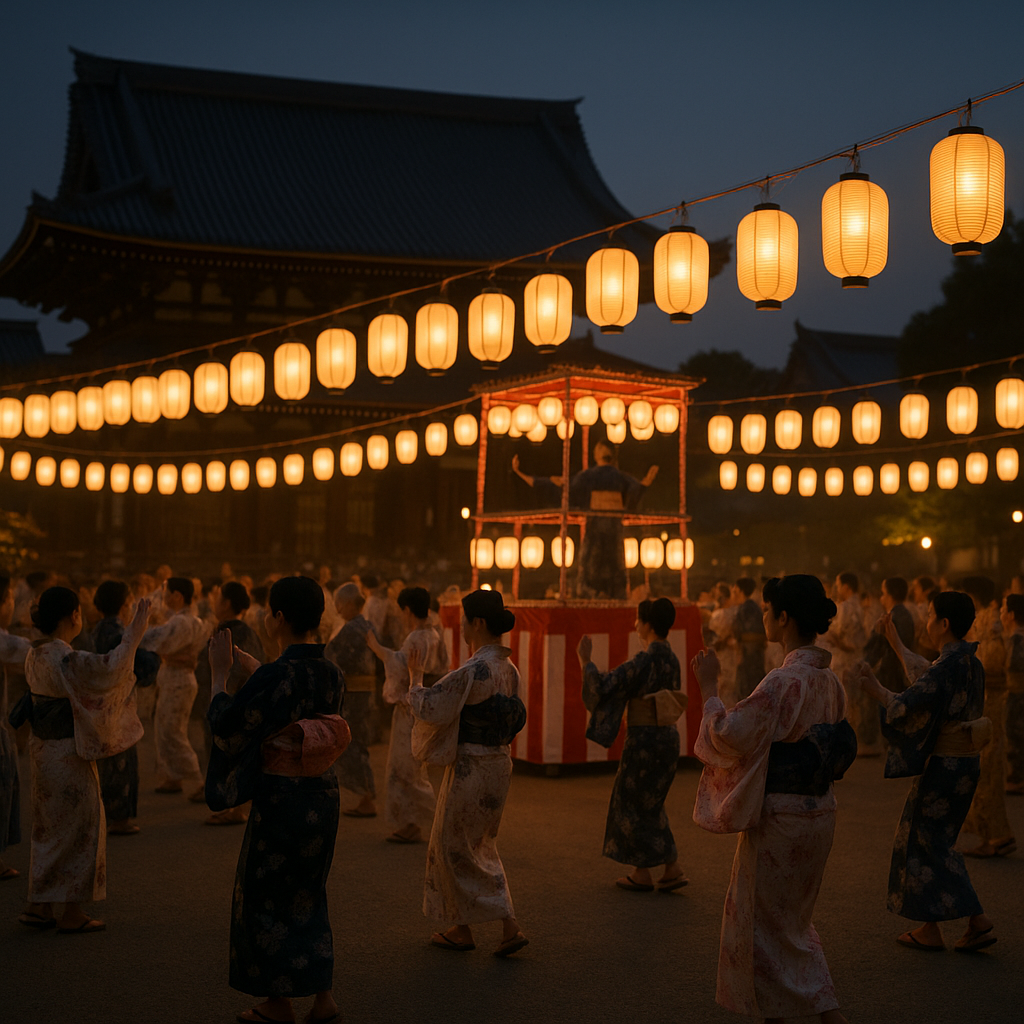
Obon is a traditional Japanese festival dedicated to honoring the spirits of deceased ancestors. It is often described as an ancestor memorial festival, but that simple definition only captures part of its significance. Obon is at once solemn and festive: people clean family graves, offer food and incense, gather at ancestral homes, and participate in Bon Odori dances that animate town squares, temple grounds, and neighborhood parks.
The season is associated with the belief that ancestral spirits return to visit the living. Families therefore prepare to welcome them, spend time in remembrance, and ceremonially guide them back at the end of the observance. This is why lanterns, fires, and floating lights play such an important role in many regional customs.
While its roots are Buddhist, Obon in contemporary Japan is also a broad cultural tradition observed by people with different levels of religious practice. It intersects with household ritual, local identity, community festivals, and the annual rhythm of summer travel.
- Main theme: honoring and remembering ancestors
- Typical period: mid-August in many regions
- Key customs: grave visits, offerings, lanterns, Bon Odori, family gatherings
- Atmosphere: reflective, communal, festive, and seasonal
Obon 2026 Dates and Calendar Context
If you are researching Obon 2026, the first thing to understand is that there is no single nationwide legal holiday date exactly the same everywhere. Traditionally, the timing depends on whether a region follows the lunar calendar, the old calendar adapted to the Gregorian year, or the modern month-based schedule.
In practice, the three main patterns are:
- Shichigatsu Bon (July Bon): observed around July 13 to 16 in some areas, especially parts of eastern Japan such as Tokyo.
- Hachigatsu Bon (August Bon): observed around August 13 to 16 and by far the most common nationwide.
- Kyu Bon (Old Bon): observed according to the lunar calendar in some communities, often falling later in August or early September depending on the year.
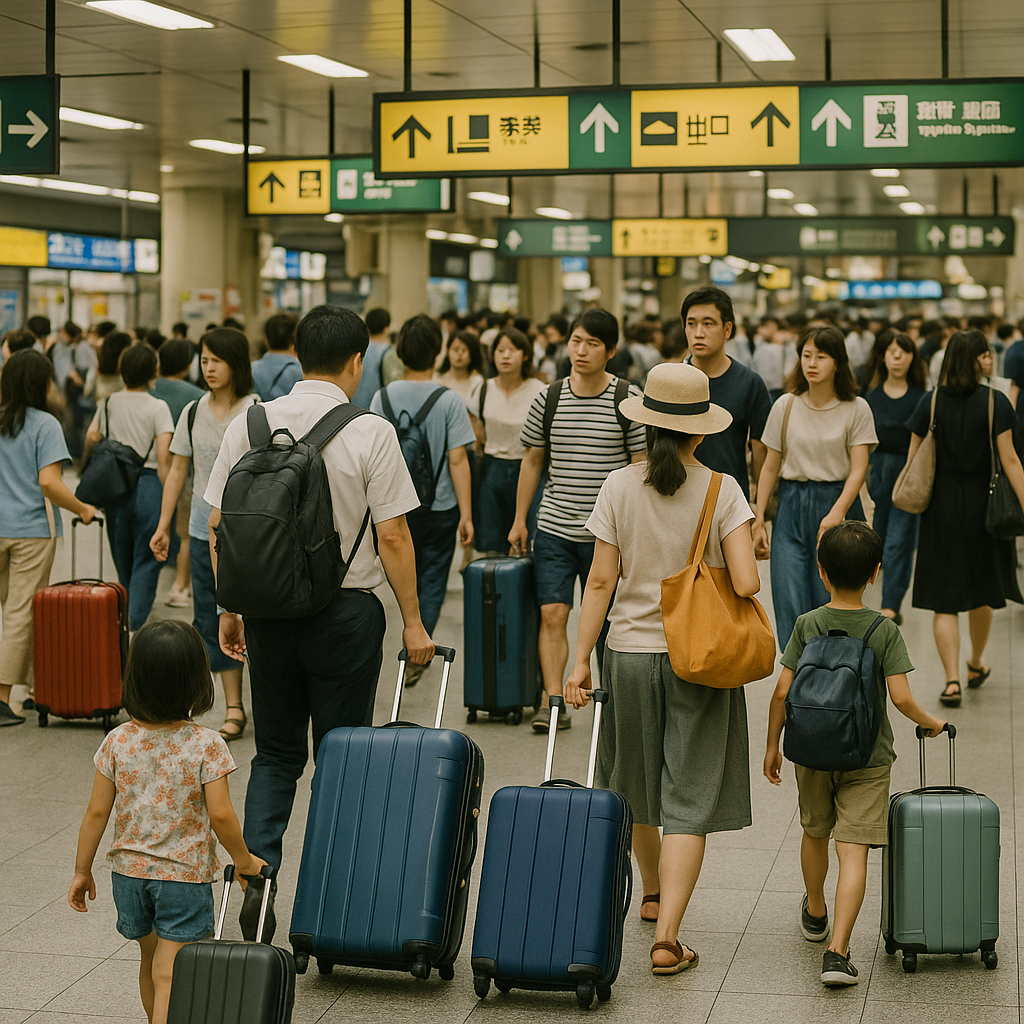
For most readers, the practical dates for Obon 2026 are August 13, 14, 15, and 16. This is the period when transportation gets crowded, many companies allow time off, and hometown travel increases significantly. If you plan to be in Japan then, book trains and accommodation well in advance.
| Obon schedule type | Typical dates | Where commonly seen |
|---|---|---|
| July Obon | July 13-16 | Some eastern regions, including parts of Tokyo |
| August Obon | August 13-16 | Most of Japan |
| Old Calendar Obon | Varies by lunar calendar | Select local communities |
For a broader overview of the holiday’s timing and background, see the Wikipedia overview of the Bon Festival, and compare local festival schedules on regional tourism sites before you travel.
History and Origin of Obon
The origins of Obon are commonly traced to a Buddhist story associated with the Ullambana Sutra. According to the legend, a disciple of the Buddha, often identified as Maudgalyayana or Mokuren in Japanese tradition, used supernatural powers to see his deceased mother suffering in the realm of hungry ghosts. On the Buddha’s advice, he made offerings to monks on the fifteenth day of the seventh month, thereby relieving her suffering. Overjoyed, he danced in gratitude. This story is frequently cited as one source of Bon Odori.
As Buddhism spread and developed in Japan, these ideas merged with earlier customs of ancestor veneration and seasonal rites for the dead. Over centuries, Obon became a distinctly Japanese observance that united temple ritual with household practice. It also absorbed local features from agricultural calendars, village celebrations, and family memorial traditions.
By the early modern period, Obon had become an established part of the annual cycle. In many places, it was both a sacred observance and a rare moment when dispersed family members returned home. That dual nature remains essential today: people remember the dead, but they also renew ties among the living.
Obon is not only about loss. At its heart, it is a season of reunion, gratitude, and continuity between generations.
If you are interested in related seasonal observances, you may also enjoy reading about Japanese summer festivals and how they shape travel and community life across the country.
The Meaning and Spiritual Significance of Obon
To understand why Obon matters so deeply, it helps to look beyond the visible events. Lanterns, dances, and food offerings are not just picturesque customs. They express a worldview in which family lines remain spiritually connected across time. Ancestors are remembered not as abstract figures but as enduring presences in household and communal life.
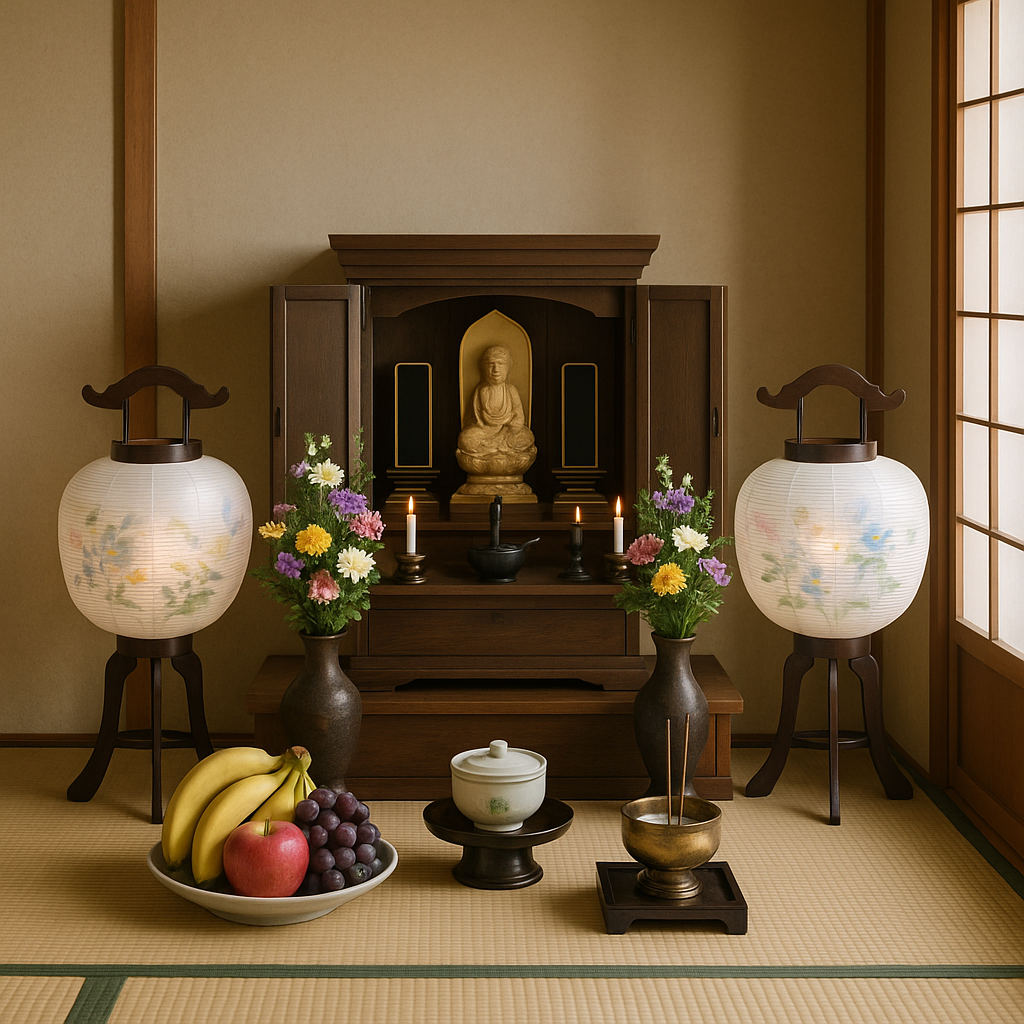
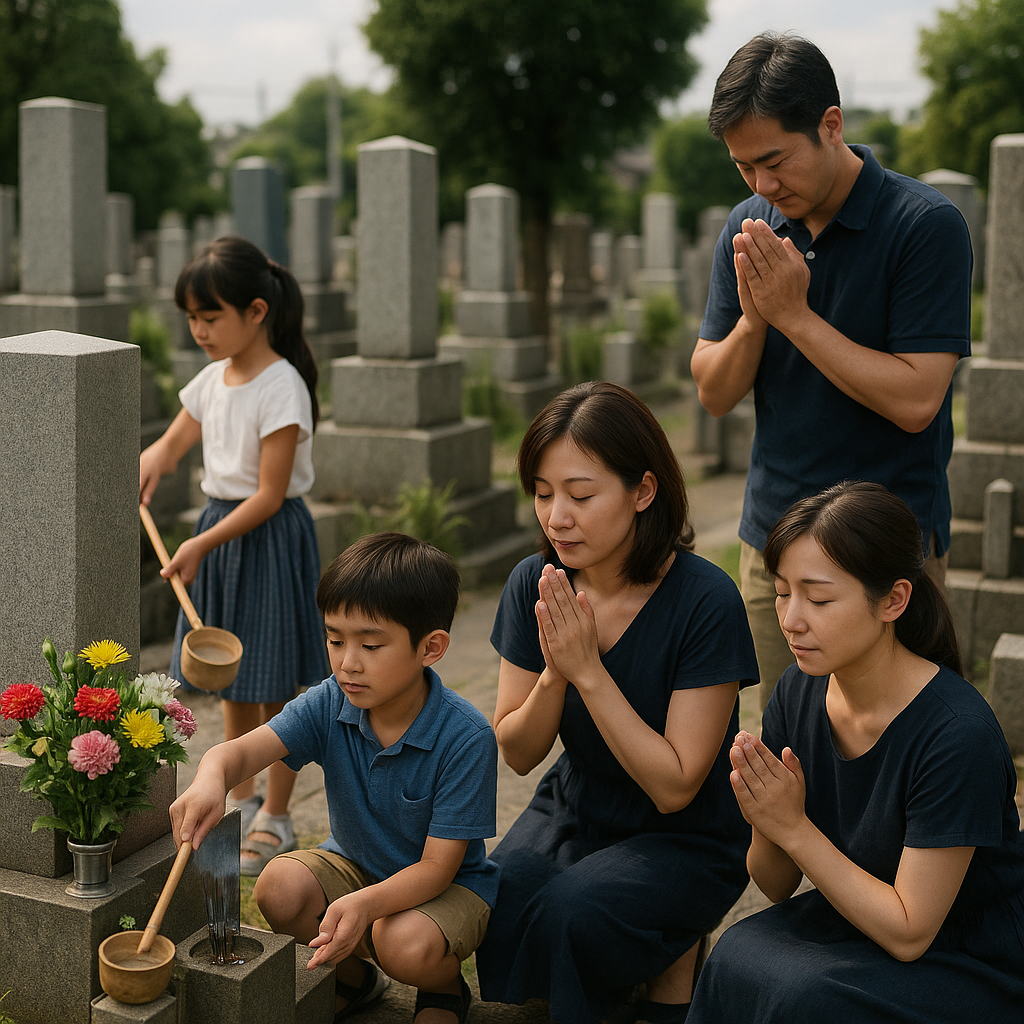
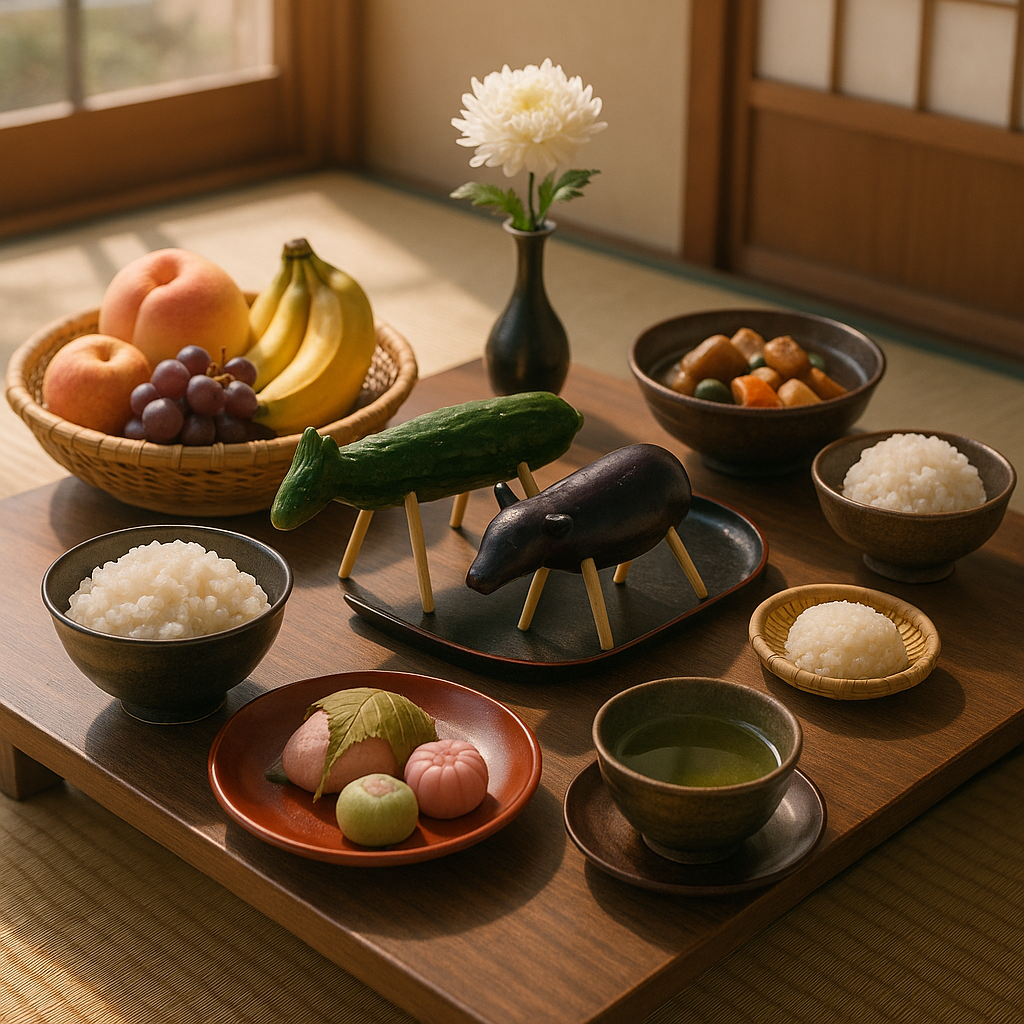
In many homes, family altars are cleaned and decorated during Obon. Offerings such as fruit, tea, sweets, flowers, and incense may be placed to welcome returning spirits. Visits to graves are equally important. Family members clean headstones, refresh flowers, burn incense, and pray together. These actions combine reverence with care, reinforcing an ethic of remembrance.
Obon also reveals a distinctive emotional balance. The festival acknowledges death, but it does not center on fear or finality. Instead, it emphasizes gratitude, filial respect, and temporary reunion. In that sense, Obon differs from mournful funerary observances; it is more cyclical than terminal, more connective than tragic.
Many scholars note that modern Obon reflects overlapping influences from Buddhism, local folk belief, and family custom rather than a single uniform doctrine. That flexibility helps explain why practices vary while the core message remains recognizable across Japan.
Core Traditions and Celebrations
Mukaebi and Okuribi: Welcoming and Sending Off the Spirits
At the beginning of Obon, some families light small welcoming fires called mukaebi to guide ancestral spirits home. At the end of the festival, sending-off fires known as okuribi help direct them back to the spirit world. In urban areas these may be symbolic or adapted, while in rural communities they can remain highly visible.
One of the most famous forms of okuribi is Kyoto’s Gozan no Okuribi, in which giant bonfires are lit on surrounding mountains. Although often associated with tourism images, this tradition is fundamentally a memorial rite.
Bon Odori Dance
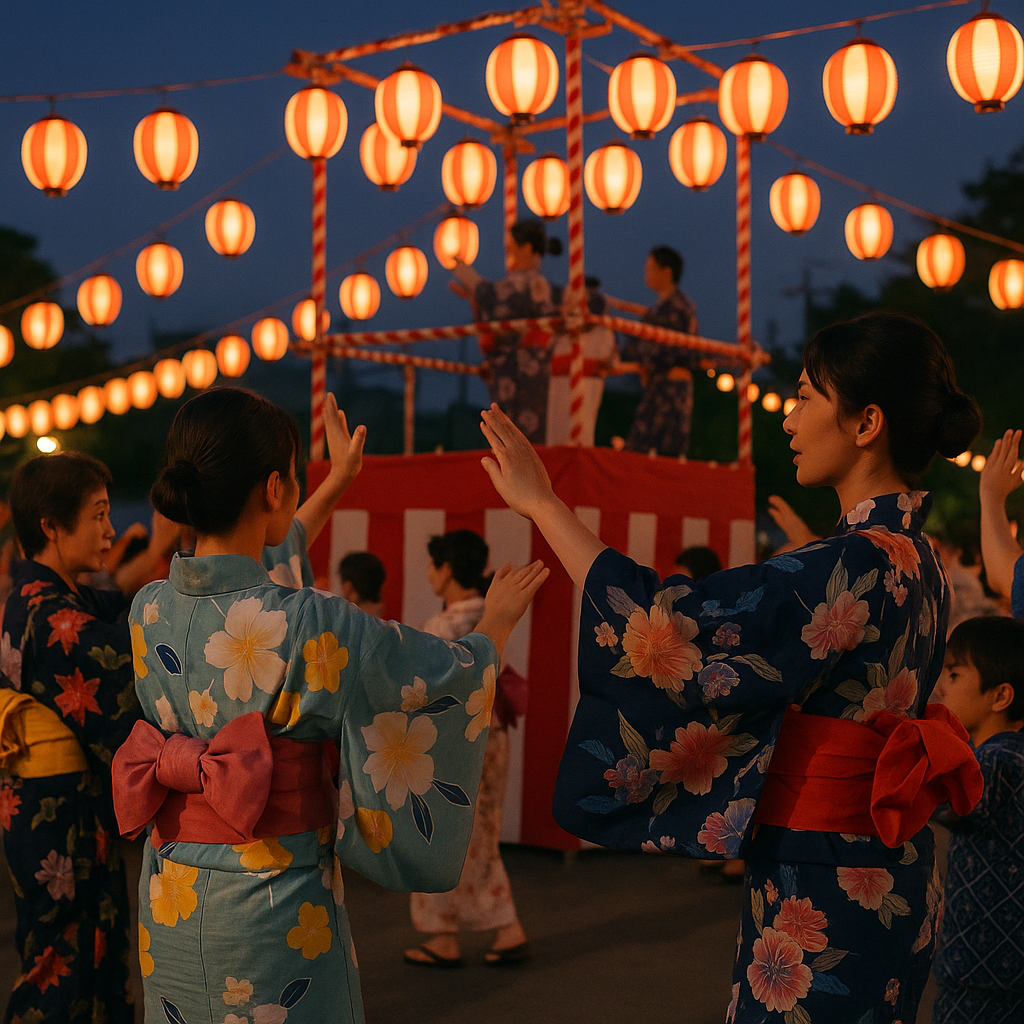
Bon Odori is one of the most recognizable features of Obon. People gather in yukata around a raised platform called a yagura, where musicians or recorded festival music set the rhythm. The dances are usually performed in circles and are designed so that anyone can join after watching for a few minutes.
Despite the festive energy, Bon Odori has commemorative meaning. It is often linked to the joyful dance of gratitude in the origin story, and today it serves as both a communal performance and a social bridge between generations.
Grave Visits and Family Reunions
For many Japanese families, the most important part of Obon is not a public event but the private act of returning home. Families visit ancestral graves, share meals, and spend time at the family house. This travel surge is one reason Obon season is among the busiest domestic travel periods of the year.
Lanterns and Toro Nagashi
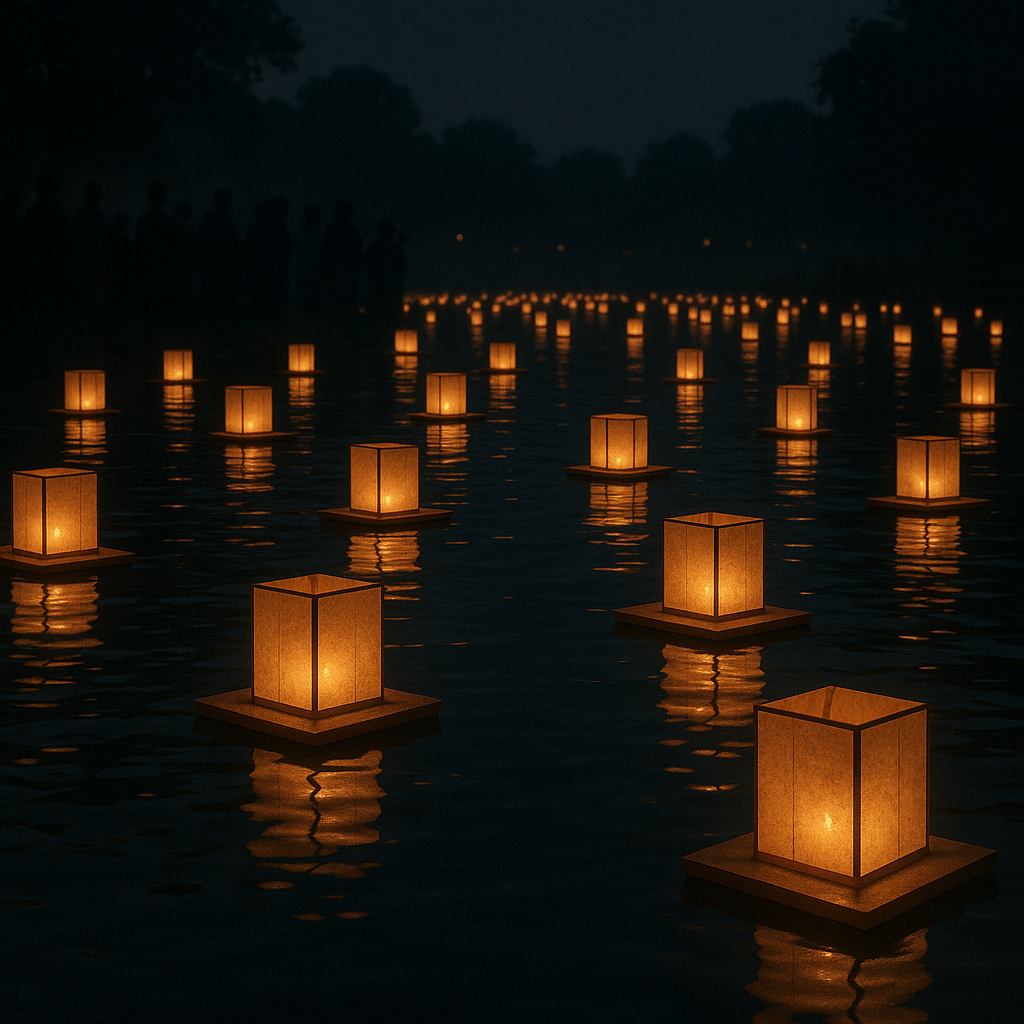
Lanterns symbolize guidance for ancestral spirits. In some places, the conclusion of Obon includes Toro Nagashi, the floating of paper lanterns on rivers, lakes, or the sea. The visual effect is stunning, but the act is also deeply symbolic, representing farewell, prayer, and remembrance.
For official tourism context on regional festivals and etiquette, the Japan National Tourism Organization is a useful planning resource.
Regional Variations Across Japan
There is no single way to celebrate Obon. Regional diversity is one of the festival’s greatest strengths, and local variations can be dramatic in style, music, costume, and ritual emphasis.
Kyoto
Kyoto is famous for Gozan no Okuribi on August 16, when bonfires form large characters and shapes on mountains surrounding the city. The event is widely photographed, but it should be understood as a solemn send-off for ancestral spirits rather than a fireworks-style spectacle.
Tokushima
Tokushima’s Awa Odori, held during Obon season, is among Japan’s best-known dance festivals. Though distinct in identity, it is closely tied to the Bon season. Dancers in organized groups fill the streets with lively choreography and traditional music.
Akita
Akita Prefecture is known for local customs that may include horse-shaped offerings or particular grave-visit traditions. Rural communities often preserve especially strong ancestral practices connected to hometown return.
Okinawa
In Okinawa, Obon-related practices reflect the islands’ unique religious and cultural heritage. Family and ancestral rites may look different from mainland patterns, demonstrating how local belief systems shape the festival.
Tokyo and Urban Areas
In major cities, Obon can feel quieter in one sense and busier in another. Many residents leave for hometowns, so some neighborhoods empty out, while train stations and highways become intensely crowded. Urban temple events and community Bon dances still take place, but practical observance is often adapted to apartment living and modern schedules.
Travelers comparing seasonal customs may also want to explore a guide to Bon Odori for more detail on dance styles and festival etiquette.

Traditional Obon Foods and Offerings
Food plays an important role in Obon, both as an offering to ancestors and as part of family gatherings. What appears on the table varies by region and household, but several themes recur: seasonal produce, symbolic offerings, and foods associated with prayer or reunion.
Typical Offerings
- Fresh fruit such as peaches, pears, or grapes
- Rice, tea, and water
- Traditional sweets
- Flowers and incense alongside food offerings
- Seasonal vegetables placed on the household altar
Shoryo Uma: Spirit Horses and Cows
One of the most recognizable Obon symbols is the making of small animal figures from cucumber and eggplant, often with chopsticks or sticks for legs. These are called shoryo uma. The cucumber horse is said to help ancestral spirits arrive quickly, while the eggplant cow allows them to return slowly, carrying offerings and blessings.
Home Cooking and Reunion Meals
Because Obon is a family season, local home cooking is central. Depending on the region, families may prepare simmered dishes, noodles, sushi, tofu-based meals, or foods that were favorites of deceased relatives. The emotional significance often matters more than the menu itself.
Festival Foods
At Bon dance events and summer festivals, you may also see familiar matsuri snacks such as yakisoba, grilled corn, kakigori shaved ice, takoyaki, and candied fruit. These foods are not uniquely Obon in origin, but they shape the modern atmosphere of public celebrations.
| Food or offering | Role during Obon | Notes |
|---|---|---|
| Fruit and sweets | Altar offering | Common in many households |
| Rice, tea, water | Daily symbolic offering | Expresses hospitality to ancestors |
| Shoryo uma | Symbolic spirit transport | Usually made from cucumber and eggplant |
| Festival snacks | Community celebration food | Seen at Bon Odori and summer stalls |
Obon 2026 in Modern Japan
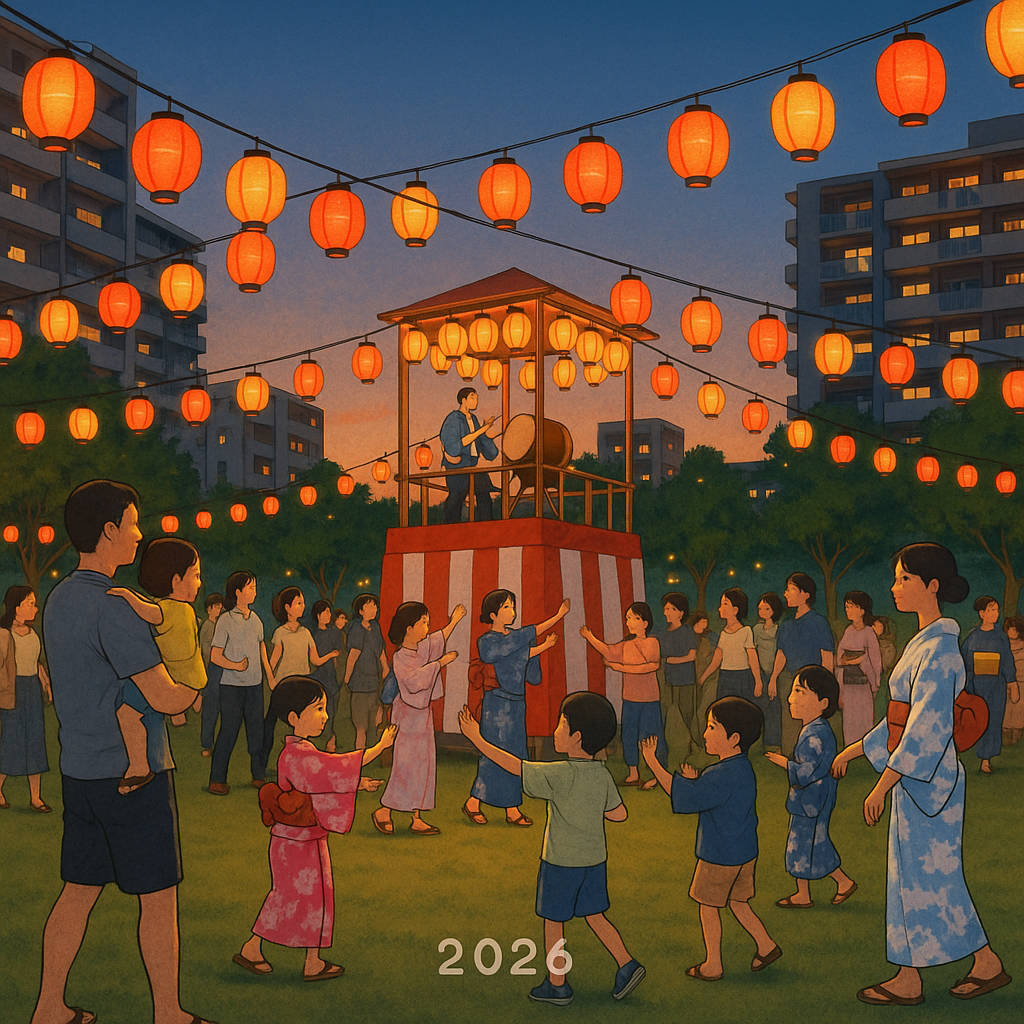
Modern life has changed how Obon is observed, but it has not diminished the festival’s importance. In fact, Obon remains one of the clearest examples of how tradition adapts without disappearing. Families may livestream memorial gatherings to relatives abroad, apartment dwellers may use smaller altar arrangements, and municipalities may organize highly accessible public Bon dances that welcome children and visitors.
At the same time, Obon has practical implications far beyond religious observance. It is a major domestic travel season, similar in significance to New Year and Golden Week. High-speed trains, airports, and expressways can become extremely crowded. Hotels in hometown destinations, resort areas, and major cities with famous Obon events may sell out early.
Businesses also operate on altered schedules. Small shops, family-run restaurants, clinics, and local services may close for part of the Obon period. Museums and attractions in tourist zones may remain open, but visitors should always confirm hours in advance.
In recent years, some communities have also emphasized Obon as cultural heritage. Public workshops teach children how to dance Bon Odori, make lanterns, or understand ancestral customs. This educational dimension helps sustain the festival across generations.
For historical background on Japanese religious culture more broadly, the Encyclopaedia Britannica entry on Bon offers a concise reference point.
How Visitors Can Experience Obon Respectfully
Obon can be unforgettable for travelers, but it is not simply entertainment. If you attend events during Obon 2026, it is important to approach them with sensitivity.
Do Your Research First
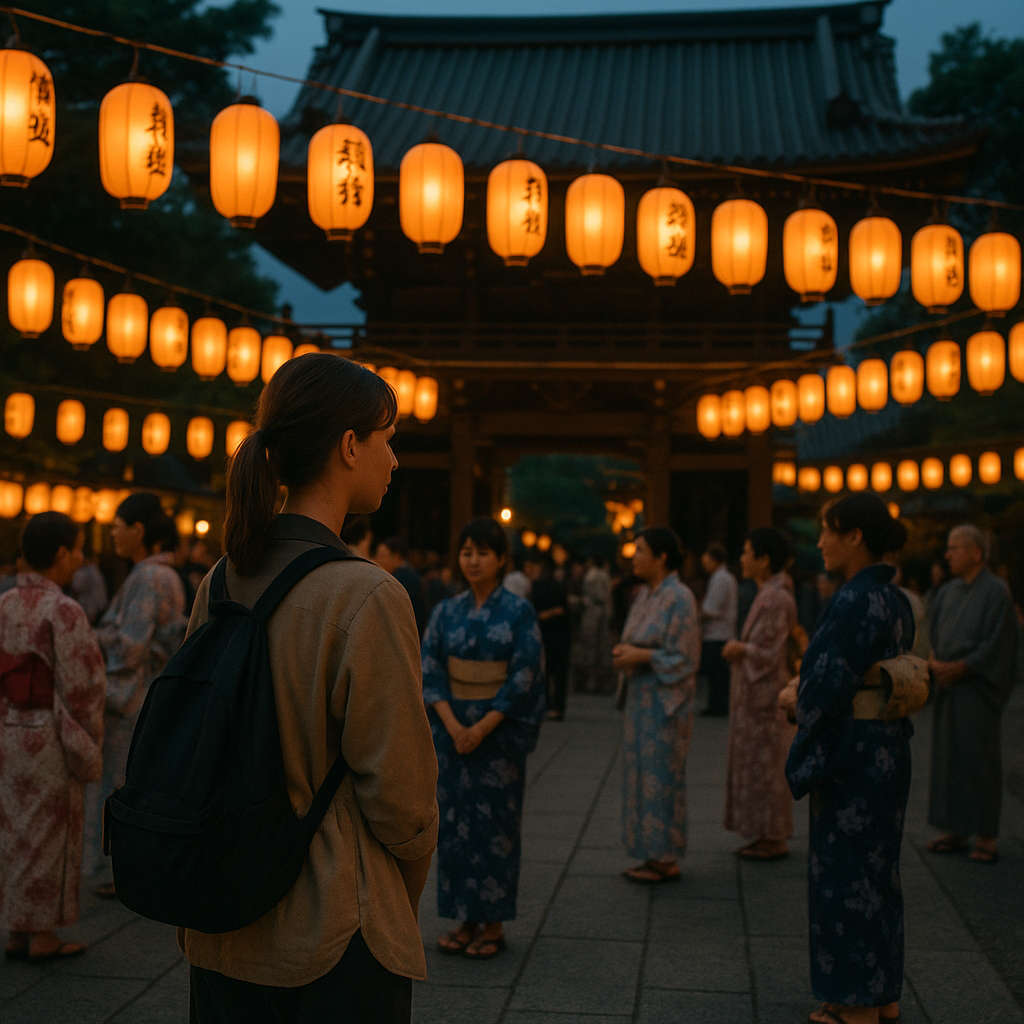
Not every Bon dance, lantern event, or temple ceremony is intended primarily for tourists. Some are community-centered, while others actively welcome visitors. Check local tourism pages or event notices for guidance.
Dress Appropriately
Casual summer wear is usually fine for outdoor events, but if you visit a temple, cemetery, or family memorial site, dress modestly and avoid disruptive behavior. Wearing a yukata to a public Bon dance is welcome in many places, though not required.
Observe Before Photographing
Public dance festivals are generally photographed often, but memorial rites and grave visits are more sensitive. Never photograph private family moments at cemeteries or altars without clear permission.
Join the Dance Politely
If a Bon Odori event is open to all, watch the rhythm first and then join the outer circle. The steps are usually repetitive and beginner-friendly. Participation is often appreciated when done respectfully.
Be Mindful at Graves and Temples
- Keep your voice low
- Do not touch offerings or grave decorations
- Follow posted instructions
- Stand aside during prayers
- Dispose of trash properly
Practical Travel Tips for Obon 2026
If you plan to be in Japan during Obon 2026, logistics matter almost as much as cultural understanding. This is one of the busiest movement periods of the year.
Book Transportation Early
Reserve Shinkansen seats as soon as booking windows open if you will travel around August 13-16. Popular routes between Tokyo, Osaka, Kyoto, Fukuoka, and regional hometown destinations can fill quickly.
Expect Accommodation Pressure
Hotels near major festival sites or in hometown-heavy regions may be fully booked earlier than you expect. Flexible planning helps.
Check Local Business Hours
Especially outside major tourist districts, some businesses may shorten hours or close temporarily for family observance.
Prepare for Heat and Humidity
August in Japan is often hot and humid. Bring water, light clothing, sun protection, and a hand towel. Evening festivals can still be very warm.
Use Obon to See Local Japan
While famous destinations draw attention, some of the most memorable experiences happen in smaller towns where neighborhood Bon dances and local temple rituals reveal the festival’s community heart.
- Choose your region based on the style of Obon experience you want.
- Confirm event dates because local schedules differ.
- Plan transport with buffers for congestion.
- Carry cash for festival stalls and local transport.
- Prioritize respectful participation over busy sightseeing.
Travelers interested in seasonal planning might also find Japan August travel tips useful for weather, packing, and festival-season logistics.
Why Obon Still Matters Today
In a fast-moving society, Obon continues to provide a rare annual pause. It creates time for return: return to family homes, return to memory, return to neglected graves, return to community spaces where people dance together under summer lanterns. Even for those who are not deeply religious, the festival offers a structure for remembering where one comes from.
This may be one reason Obon remains so resilient. Its customs can be simple or elaborate, urban or rural, solemn or lively, but they all affirm continuity between generations. In that sense, Obon is as much about identity as ritual. It asks people to remember the dead, but it also reminds the living of their place in an ongoing story.
For visitors, this is what makes Obon more than a beautiful event on a travel calendar. Its true value lies in the way meaning is embedded in ordinary acts: sweeping a grave path, lighting incense, hanging a lantern, preparing fruit, joining a circle dance with neighbors as dusk falls.
Frequently Asked Questions
When is Obon 2026?
In most of Japan, Obon 2026 will be observed around August 13 to August 16. However, some regions celebrate in July, and a smaller number follow dates based on the lunar calendar.
Is Obon a public holiday in Japan?
Obon is not a single official national public holiday in the same sense as some statutory holidays, but it functions as a major holiday season. Many people travel home, businesses may close, and transportation becomes crowded.
What is the meaning of Obon?
Obon is a time to honor and remember ancestors. Families welcome ancestral spirits, make offerings, visit graves, and gather together in a spirit of gratitude and continuity.
What is Bon Odori?
Bon Odori is a traditional communal dance associated with Obon. It is often held outdoors in the evening, with participants dancing in circles to festival music around a central platform.
Can tourists attend Obon events?
Yes, many public Obon events welcome visitors, especially Bon Odori festivals and lantern ceremonies. The key is to participate respectfully, follow local rules, and treat memorial elements with sensitivity.
Why are lanterns used during Obon?
Lanterns symbolize guidance for ancestral spirits. They may be used to welcome spirits at the beginning of the festival and to send them off at the end, sometimes through floating lantern ceremonies called Toro Nagashi.
What foods are associated with Obon?
Common Obon foods include fruit, rice, tea, sweets, seasonal vegetables, and symbolic offerings such as cucumber and eggplant figures called shoryo uma. Public festivals may also feature common summer street foods.
Conclusion
Obon 2026 is far more than a summer festival date on the calendar. It is one of Japan’s most enduring cultural observances, a time when memory, family, ritual, and celebration meet. Through grave visits, altar offerings, Bon Odori dancing, and lantern-lit farewells, Obon expresses a humane and deeply rooted idea: the living remain connected to those who came before them.
If you experience Obon in Japan, you will likely remember the atmosphere long after the season ends: the sound of drums at dusk, the slow movement of dancers in yukata, the glow of lanterns, and the quiet dignity of families honoring their ancestors. That balance of joy and reverence is what makes Obon so distinctive, and why it continues to matter in modern Japan.