Labor Day 2026 falls on Monday, September 7, in the United States, closing out summer with a long weekend that blends gratitude for workers, family gatherings, travel, and community celebrations. While many Americans know it as a day for barbecues, sales, and a final getaway before autumn, the holiday has a deeper purpose: honoring the contributions of working people and the labor movement that helped shape modern life in the U.S.
This guide explores where Labor Day came from, why it still matters, how it is observed across the country, what people eat and do, and how to plan a meaningful and enjoyable holiday weekend. Whether you are researching the date, organizing a celebration, or simply curious about the holiday’s roots, this article offers a complete overview of Labor Day in a modern American context.
When Is Labor Day 2026?
In 2026, Labor Day is observed on Monday, September 7. In the United States, Labor Day is always celebrated on the first Monday in September, creating a three-day weekend for many workers and students.
This timing gives the holiday a special place on the calendar. It arrives at the transition between summer and fall, just as schools reopen, sports seasons begin, and many families squeeze in one last warm-weather outing. Because of this, Labor Day functions as both a civic holiday and a cultural marker of seasonal change.
| Holiday | Date in 2026 | Day | Observed In |
|---|---|---|---|
| Labor Day | September 7, 2026 | Monday | United States |
If you are planning a long weekend, it is wise to expect busy roads, crowded airports, and high demand for hotels and campsites. Like other major national holidays, Labor Day weekend often brings increased travel and major retail promotions.
What Is Labor Day and Why Is It Celebrated?
Labor Day is a federal holiday dedicated to the social and economic achievements of American workers. It recognizes the effort, skill, and persistence of people whose labor built industries, transportation systems, schools, public institutions, farms, offices, and communities across the nation.
According to the U.S. Department of Labor, the holiday grew out of the labor union movement in the late nineteenth century, when activists pushed for a day to celebrate workers’ contributions. Over time, the observance became both an official holiday and a broader public tradition.
For many people today, the meaning of Labor Day includes several themes:
- Recognition: honoring workers across industries and generations.
- Rest: acknowledging the value of time off and work-life balance.
- Community: gathering with family, neighbors, and coworkers.
- Reflection: considering labor rights, wages, safety, and economic dignity.
- Transition: informally marking the end of summer.
Labor Day is not only a day off. At its core, it is a public acknowledgment that work has value and that the people who do it deserve dignity, safety, and respect.
The History and Origin of Labor Day
The story of Labor Day begins in the late 1800s, during a period of rapid industrial growth in the United States. Factories expanded, railroads linked regions, and cities grew quickly. At the same time, many workers faced long hours, low pay, dangerous conditions, and little job security. Labor organizations emerged to advocate for better treatment, fairer compensation, and reasonable working hours.
Who Created Labor Day?
The exact origin of Labor Day is still debated. Two names are commonly associated with the holiday’s beginnings: Peter J. McGuire, a labor leader and co-founder of the American Federation of Labor, and Matthew Maguire, a machinist and labor activist. Historians continue to discuss which figure most directly inspired the holiday, but the broader point is clear: the observance emerged from organized labor’s push to publicly honor workers.
One of the earliest Labor Day events took place in New York City in 1882, where workers participated in a parade and public celebration. The model spread. States gradually adopted similar observances, and the idea gained national support.
How Labor Day Became a Federal Holiday
Labor Day became a federal holiday in 1894. Its official adoption came during a tense period in American labor history, shortly after the Pullman Strike, a major railroad labor conflict that drew national attention. President Grover Cleveland signed the legislation making Labor Day a national holiday.
For a broader historical overview, readers may consult Wikipedia’s Labor Day entry as well as labor history resources from museums, archives, and the federal government.
The holiday’s creation reflected a national acknowledgment that workers’ contributions deserved formal recognition. Although its tone was celebratory, its roots were linked to difficult struggles over labor conditions, collective action, and social reform.
Labor Day and the Labor Movement
Understanding Labor Day also means understanding the labor movement. Throughout the late nineteenth and early twentieth centuries, workers and unions fought for changes that many people now take for granted, including:
- Shorter workdays
- Safer workplaces
- Child labor restrictions
- Better wages
- The weekend as a standard break from work
- Greater legal protections on the job
These reforms did not happen overnight. They came through organizing, strikes, negotiations, legislation, and public pressure. Labor Day remains one of the most visible reminders of that history.
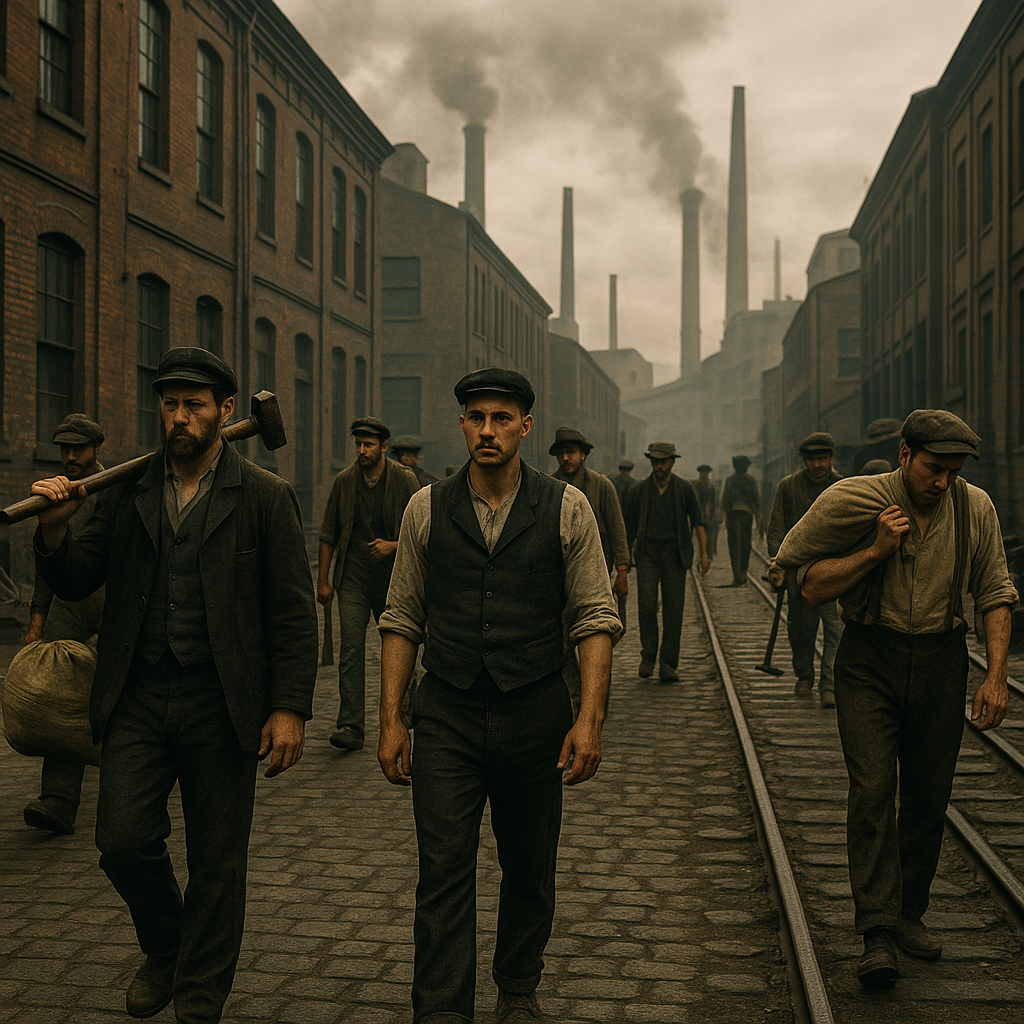
The Meaning of Labor Day in Modern America
Although the holiday’s historical roots are tied to organized labor, modern observance is broader and more personal. For some, Labor Day is a time to appreciate workers in every profession, from teachers and tradespeople to healthcare staff, delivery drivers, service employees, and office teams. For others, it is a chance to pause and rest before the busy fall season.
Today, the meaning of Labor Day often includes a blend of civic recognition and everyday life. It may involve thanking workers in your community, learning about labor history, or simply valuing rest as something earned and essential.
This modern perspective also reflects changes in the economy. The workforce now includes not only factory and construction workers, but also remote workers, gig workers, freelancers, healthcare professionals, public servants, and digital specialists. Labor Day can be a moment to consider how work is changing and what fairness means in a new era.
If you enjoy exploring the roots of American observances, you may also like federal holidays in the U.S. and the history of American holidays.
Traditional Labor Day Celebrations
Labor Day traditions vary, but several customs are widely recognized across the United States. Some are rooted in public celebration, while others are more relaxed and family-centered.
Parades and Public Events
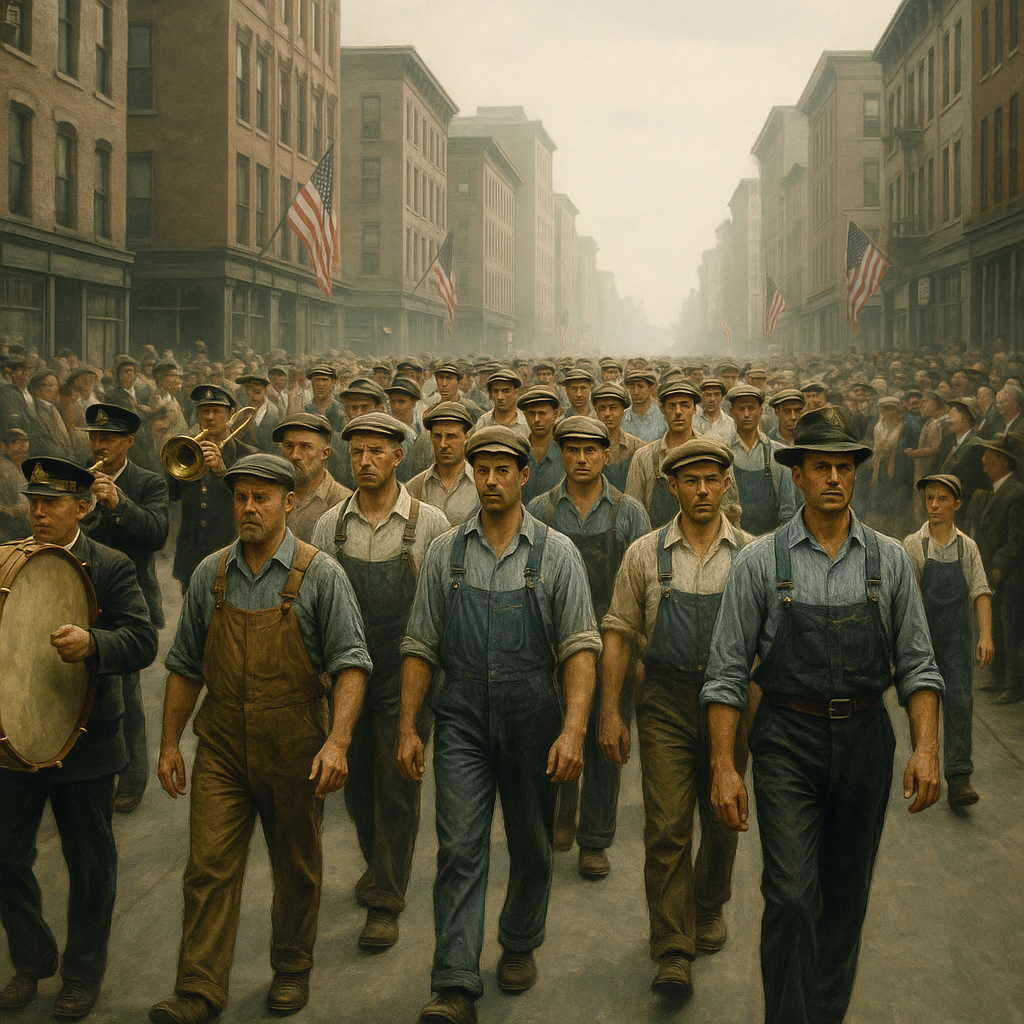
Historically, Labor Day parades were central to the holiday. Marching workers, union groups, bands, and civic organizations would gather to demonstrate pride and solidarity. While large parades are less universal than they once were, some cities and towns still hold processions, speeches, and community gatherings that highlight worker contributions.
Family Barbecues and Picnics
For many households, the holiday is synonymous with outdoor meals. Backyards, parks, and beaches fill with grills, picnic blankets, folding chairs, and late-summer foods. The atmosphere is often relaxed and social, with games, music, and conversation carrying into the evening.
Sports and Entertainment
Labor Day weekend also overlaps with a lively sports calendar. College football often becomes part of the celebration, and communities may host races, concerts, festivals, or outdoor movie nights.
Shopping and Seasonal Sales
Retail promotions are another familiar part of the holiday. Many people associate Labor Day with end-of-summer sales on appliances, mattresses, outdoor furniture, clothing, and back-to-school items. While commercial activity is not the holiday’s main purpose, it has become a notable part of the weekend’s rhythm.
Regional Variations Across the United States
Labor Day may be a national holiday, but it does not look exactly the same everywhere. Geography, climate, local culture, and tourism all influence how people celebrate.
Northeast
In the Northeast, Labor Day often feels like the unofficial final chapter of summer. Beach towns see heavy traffic, seasonal rentals fill up, and boardwalk communities host events before the tourist season winds down. Urban areas may feature neighborhood festivals, union gatherings, or cultural street fairs.
South
In the South, the weather is still hot in early September, making lakes, rivers, pools, and backyard cookouts especially popular. Grilled meats, regional side dishes, and large family reunions often shape the holiday. College football can also dominate the weekend atmosphere.
Midwest
The Midwest often marks Labor Day with state fairs, local festivals, small-town parades, and gatherings centered on parks and backyards. In some communities, the holiday has a distinctly neighborly feel, combining civic pride with informal hospitality.
West
In the West, Labor Day may involve national parks, road trips, desert getaways, mountain cabins, or coastal travel. Outdoor recreation plays a major role, from hiking and camping to boating and beach days. Because many destinations remain warm and scenic, the holiday weekend can be especially busy.
Travelers looking for public event calendars can check official tourism websites such as Visit The USA for regional inspiration and planning ideas.
Popular Foods for Labor Day 2026
Food is one of the easiest ways to make Labor Day feel festive. Because the holiday falls at the end of summer, menus often celebrate seasonal produce, grilled favorites, and casual dishes that work well for groups.
Classic Labor Day Foods
- Burgers and hot dogs
- Barbecue ribs, chicken, or pulled pork
- Corn on the cob
- Potato salad
- Pasta salad
- Baked beans
- Watermelon and fresh fruit
- Lemonade, iced tea, and sparkling drinks
Regional and Modern Twists
Many hosts now mix traditional cookout staples with newer options. Grilled vegetables, plant-based burgers, seafood skewers, street-corn salads, fruit desserts, and international flavors appear regularly at Labor Day gatherings. The best menus usually balance convenience with crowd-pleasing variety.
Simple Labor Day Menu Idea
- Main dish: grilled burgers, sausages, or veggie burgers
- Side dishes: potato salad, grilled corn, and a green salad
- Snacks: chips, salsa, and fresh fruit
- Dessert: berry pie, cookies, or ice cream sandwiches
- Drinks: lemonade, iced tea, and plenty of water
If you are building out a holiday meal plan, a practical companion could be easy holiday cookout recipes.
Labor Day Weekend Travel and Getaway Ideas
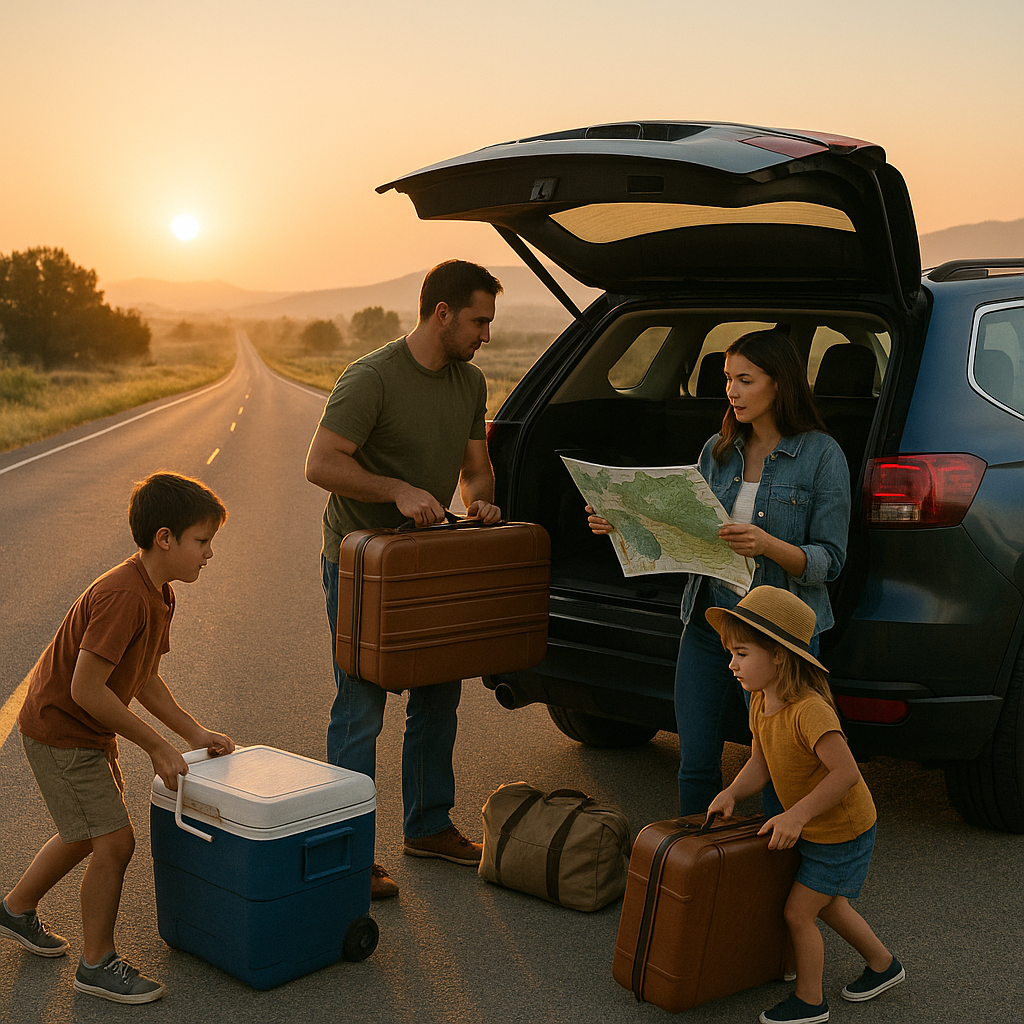
Because it creates a three-day weekend, Labor Day is one of the most popular travel periods of the year in the United States. Some travelers seek beaches and lakes, others head for mountains or national parks, and many simply take short road trips close to home.
Why Labor Day Travel Is So Popular
The holiday offers a convenient final summer break before school and fall obligations settle in. Weather in many parts of the country remains favorable, and seasonal attractions are still open. This combination makes Labor Day weekend highly attractive for families, couples, and friend groups.
Popular Types of Trips
- Beach weekends
- Lake house stays
- National park visits
- Camping and glamping trips
- City breaks with dining and festivals
- Scenic road trips
Travel Considerations for Labor Day 2026
If you are traveling for Labor Day 2026, book early when possible. Airfare, hotels, and rental cars often become more expensive as the date approaches. Leave extra time for driving, particularly on Friday afternoon and Monday evening, when congestion is usually highest.
It is also wise to check weather forecasts, park reservation systems, and local event calendars. A little planning can make the difference between a stressful weekend and a smooth one.
How Labor Day Is Observed Today
Modern observance ranges from highly social to quietly reflective. Some people spend the day at work in essential roles, while others gather with loved ones or take the opportunity to rest at home. The holiday does not have a single required ritual, which is part of its broad appeal.
For Workers
Many employees receive the day off, though this varies by industry. Healthcare, hospitality, transportation, retail, emergency response, and public safety often continue operating. That reality can add another layer to the holiday’s meaning, reminding the public that labor continues even on days of celebration.
For Families
Families may use the weekend to reconnect before the routines of fall return. A simple meal, neighborhood gathering, or day trip can be enough to make the holiday memorable. For parents, it often arrives just after back-to-school season, making it a welcome pause.
For Communities
Communities may organize fairs, concerts, volunteer projects, and public ceremonies. In some places, labor organizations host events to discuss worker issues and celebrate local achievements. In others, the day is mainly recreational. Both approaches can coexist.
One reason Labor Day endures is that it speaks to two universal needs at once: the need to value work and the need to rest from it.

Practical Tips for Celebrating Labor Day 2026
If you want to make the most of the holiday, a little preparation goes a long way. Whether you plan to host, travel, or stay home, these tips can help.
Hosting Tips
- Plan your menu a few days in advance and shop early.
- Prepare side dishes the night before to reduce stress.
- Offer shaded seating and cold drinks if the weather is hot.
- Include options for different dietary preferences.
- Keep outdoor games or music ready for a relaxed atmosphere.
Travel Tips
- Book lodging and transportation early.
- Travel at off-peak hours if possible.
- Check cancellation policies and traffic conditions.
- Pack for both heat and sudden weather changes.
- Make reservations for popular attractions ahead of time.
Meaningful Ways to Observe the Holiday
- Thank workers in your community.
- Learn about local labor history.
- Support worker-friendly businesses.
- Use the day to reflect on work-life balance.
- Rest intentionally rather than treating the weekend as only a task list.
Labor Day Etiquette and Cultural Notes
Labor Day in the United States is generally informal, but a few cultural patterns are worth knowing. Invitations to cookouts and backyard parties are common, and casual clothing is standard. If you are attending someone else’s gathering, bringing a side dish, dessert, or drinks is usually appreciated.
You may also hear the old fashion saying that one should not wear white after Labor Day. Today, this is more of a playful cultural reference than a strict rule. Most people treat it lightly, if they notice it at all.
Because the holiday has both recreational and historical meaning, some celebrations include a moment of appreciation for workers or a brief discussion of the holiday’s roots. Even in casual settings, that acknowledgment can add depth to the day.
Frequently Asked Questions
When is Labor Day 2026?
Labor Day 2026 is on Monday, September 7, 2026. In the United States, it is always observed on the first Monday in September.
What is the purpose of Labor Day?
The purpose of Labor Day is to honor the contributions and achievements of workers. It grew out of the labor movement and became a federal holiday to recognize the value of work in American society.
Is Labor Day a federal holiday in the United States?
Yes. Labor Day is a U.S. federal holiday. Many government offices, banks, and schools are closed, though some businesses remain open and many essential workers continue to work.
How do people celebrate Labor Day?
Common celebrations include barbecues, picnics, parades, road trips, beach outings, sporting events, community festivals, and time with family or friends. Some people also observe the day by learning about labor history or recognizing workers in their communities.
Why is Labor Day in September?
Labor Day was placed in early September during the development of the holiday in the late nineteenth century. The date aligned well with public celebrations and eventually became fixed as the first Monday in September.
Is Labor Day the unofficial end of summer?
For many Americans, yes. Although summer does not officially end until later in September, Labor Day weekend is widely viewed as the informal close of the summer season.
Do all workers get Labor Day off?
No. While many employees receive the day off, workers in healthcare, public safety, hospitality, retail, transportation, and other essential sectors may still work on Labor Day.
Conclusion
Labor Day 2026 is more than a long weekend on the calendar. Observed on Monday, September 7, it is a national moment to recognize the people whose labor sustains daily life in the United States. From its roots in the labor movement to its modern expression in parades, cookouts, road trips, and quiet rest, the holiday brings together history, gratitude, and seasonal tradition.
Whether you spend Labor Day 2026 traveling, gathering with family, or taking a well-earned pause at home, the day offers a simple but important reminder: work matters, workers matter, and rest matters too. Celebrating with that perspective can turn an ordinary long weekend into a more meaningful holiday experience.